Essential Winter Dog Care: Paws, Coats, and Cold Weather
Discover essential winter dog care tips to protect your pup's paws, coat, and joints. Learn about dog boots, paw wax, and safe cold-weather walks today.
The Hidden Dangers of Winter for Dogs
Winter brings a magical transformation to the outdoors, but for our canine companions, the dropping temperatures, icy sidewalks, and harsh winds present a unique set of challenges. As a responsible pet parent, adapting your daily routine to accommodate seasonal changes is a crucial aspect of sharing your life with a dog. While some breeds like Siberian Huskies and Alaskan Malamutes thrive in the snow, the majority of domestic dogs require proactive winter dog care to stay safe, warm, and healthy. From protecting vulnerable paw pads from toxic de-icing salts to managing arthritis flare-ups in senior dogs, winter demands a strategic approach. This comprehensive guide will walk you through actionable, product-specific strategies to ensure your furry friend enjoys the season safely.
Understanding Cold Weather Thresholds
Not all dogs experience the cold in the same way. A dog's tolerance to winter weather depends heavily on their breed, coat type, body fat percentage, age, and overall health. According to the American Veterinary Medical Association (AVMA), pets are susceptible to frostbite and hypothermia just like humans, and should be kept indoors during extreme cold snaps.
Always monitor your dog for signs of shivering, whining, or lifting their paws off the ground. These are immediate indicators that they are too cold and need to return indoors.
To make informed decisions about outdoor time, use this general temperature guide:
- Above 45°F (7°C): Generally safe for all breeds. No special winter gear is typically required.
- 32°F to 45°F (0°C to 7°C): Small breeds, short-haired dogs, and seniors may begin to feel uncomfortable. Consider a light sweater and limit walks to 30 minutes.
- 20°F to 32°F (-6°C to 0°C): High risk for small and vulnerable dogs. Protective coats and dog boots are highly recommended. Keep walks brief (15-20 minutes).
- Below 20°F (-6°C): Dangerous for almost all dogs. Outdoor time should be strictly limited to bathroom breaks (5-10 minutes maximum).
Paw Protection: Boots, Balms, and Wipes
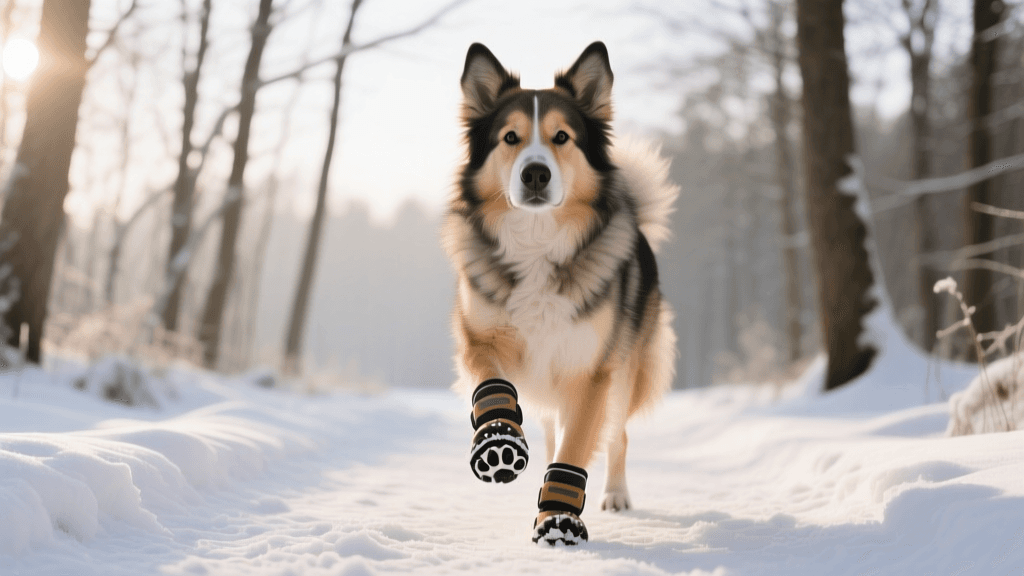
Your dog's paw pads are remarkably tough, but they are not impervious to winter hazards. The biggest threats are ice accumulation between the toes and chemical de-icers (rock salt, calcium chloride) used on municipal sidewalks. These chemicals can cause severe contact dermatitis, chemical burns, and toxic reactions if your dog licks their paws after a walk.
To combat this, you have three primary lines of defense. Below is a comparison of the most effective paw protection methods:
| Protection Method | Best For | Estimated Cost | Pros and Cons |
|---|---|---|---|
| Dog Boots (e.g., Ruffwear Polar Trex) | Deep snow, icy terrain, long hikes | $70 - $90 per set | Pros: Ultimate protection from ice and salt. Cons: Requires training; some dogs refuse to walk in them. |
| Paw Wax (e.g., Musher's Secret) | Short walks, urban sidewalks, ice prevention | $15 - $20 per tub | Pros: Easy to apply, conditions pads. Cons: Wears off after 45 mins; doesn't stop sharp ice buildup. |
| Paw Wipes (e.g., Earthbath) | Post-walk cleanup, indoor safety | $10 - $15 per pack | Pros: Removes toxic salt instantly. Cons: Preventative measure only; does not protect during the walk. |
Pro-Tip: If your dog has long fur, trim the hair between their paw pads using blunt-nosed grooming scissors. This prevents snow from clumping into painful ice balls that can stretch the sensitive skin between their toes. Always wash and thoroughly dry your dog's paws with a damp microfiber cloth immediately upon returning indoors.
Winter Coats: Does Your Dog Really Need One?
The debate over dog clothing often leans toward fashion, but in winter, a coat is a functional necessity for many breeds. Whippets, Greyhounds, Chihuahuas, and senior dogs lack the dense undercoat required to trap body heat. When shopping for a winter dog coat, look for these three features:
- Waterproof Exterior: A nylon or polyester shell that repels snow and sleet.
- Insulated Core: Fleece or synthetic down lining to retain warmth.
- Adjustable Fit: Velcro straps around the neck and belly to prevent cold air drafts.
The Hurtta Summit Parka (approx. $75-$90) is widely considered the gold standard for extreme cold, featuring a heat-reflecting aluminum lining that boosts blood circulation in the dog's back muscles. For a more budget-friendly option, the Kurgo Tru Fit Smart Dog Coat ($45-$60) offers excellent waterproofing and a reversible fleece lining for milder winter days. Ensure the coat covers your dog's core from the base of the neck to the base of the tail, as keeping the vital organs warm is the primary goal.
Joint Care and Arthritis in Cold Weather
Cold weather causes blood vessels to constrict, which reduces blood flow to the extremities and joints. For the estimated 20% of adult dogs suffering from osteoarthritis, winter can mean a significant increase in stiffness, pain, and mobility issues. The ASPCA notes that older pets often require extra care and softer bedding during the colder months to prevent joint aching.
Actionable joint care steps for winter include:
- Orthopedic Bedding: Swap out thin mats for a high-density memory foam bed. The Big Barker 7-inch Pillow Top Orthopedic Dog Bed ($240-$300) is clinically proven to reduce joint pressure, though budget-friendly alternatives like the Furhaven Orthopedic Sofa ($40-$60) also provide substantial elevation from cold, drafty floors.
- Warm-Up Routines: Never let an arthritic dog jump straight into a vigorous game of fetch in the cold. Spend 5 minutes doing gentle indoor stretches or massage to increase synovial fluid production in the joints before heading outside.
- Joint Supplements: Consult your veterinarian about adding a glucosamine and chondroitin supplement, or an Omega-3 rich fish oil (like Zesty Paws Omega Bites, approx. $25 for 90 chews), to their daily diet starting in late autumn to proactively manage inflammation.
Indoor Enrichment for Severe Weather Days
When the weather is too severe for long walks, mental stimulation becomes just as important as physical exercise. A 15-minute mental workout can tire a dog out just as much as a 45-minute walk.
- Snuffle Mats: Hide high-value treats in a wool snuffle mat ($20-$30) to engage their natural foraging instincts.
- Lick Mats: Spread peanut butter (xylitol-free) or plain Greek yogurt on a Hyper Pet IQ Treat Mat ($10) and freeze it. Licking releases endorphins that soothe anxious dogs confined indoors.
- Hide and Seek: Practice recall commands by hiding in different rooms and calling your dog, rewarding them with a small piece of boiled chicken or freeze-dried liver.
Hydration and Toxin Awareness
Dogs can become dehydrated in winter just as easily as in summer, especially if your home's central heating dries out the air. Ensure multiple fresh water bowls are available, and consider adding warm, low-sodium bone broth to their kibble to increase fluid intake.
Finally, be hyper-vigilant about antifreeze. Ethylene glycol, the primary ingredient in most automotive antifreezes, has a sweet taste that attracts dogs but is highly lethal even in microscopic amounts. As little as a few tablespoons can cause irreversible kidney failure in a medium-sized dog. Always clean up garage spills immediately and opt for pet-safe antifreeze made from propylene glycol. Furthermore, keep your dog away from stagnant puddles near roadways, which may contain toxic runoff from melted snow and road salts. According to the American Kennel Club (AKC), wiping down your dog's belly and legs after every winter walk is a non-negotiable step to prevent them from ingesting these dangerous chemicals during self-grooming.
Conclusion
Embracing life with your dog means adapting to the seasons together. By investing in proper paw protection, utilizing functional winter gear, and modifying your exercise and joint-care routines, you can transform the freezing months into a safe, cozy, and enjoyable experience for your canine companion. Stay warm, stay vigilant, and enjoy the winter wonderland safely.
marcus-aldridge
All our authors care for dogs every day — read more of their work on the authors page.