Dog Osteoarthritis: Early Diagnosis and Treatment Options
Learn how to diagnose dog osteoarthritis early and explore effective treatment options, from joint supplements to prescription pain management.
Understanding Canine Osteoarthritis: The Silent Epidemic
Osteoarthritis (OA), also known as degenerative joint disease, is one of the most common and debilitating chronic conditions affecting dogs. According to the American College of Veterinary Surgeons (ACVS), it is estimated that at least 20% of adult dogs suffer from some form of OA, with the prevalence jumping to over 80% in senior dogs over the age of eight. Unlike acute injuries, osteoarthritis is a progressive disease characterized by the gradual breakdown of articular cartilage, joint inflammation, and the formation of painful bone spurs (osteophytes). Because dogs are evolutionarily hardwired to mask weakness, the problem often goes undiagnosed until significant joint damage has already occurred. Recognizing the early warning signs and implementing a multimodal treatment strategy is the most effective way to preserve your dog's mobility and quality of life.
Problem Identification: Recognizing the Subtle Signs of Joint Pain
Many pet owners mistakenly attribute the symptoms of osteoarthritis to 'normal aging.' However, slowing down is not an inevitable consequence of getting older; it is usually a direct response to chronic pain. Diagnosing the problem at home begins with keen observation of your dog's daily habits and physical movements.
Look for the following clinical signs of canine joint pain:
- Stiffness after resting: Your dog may struggle to stand up after a nap or seem stiff during the first few minutes of a walk, which gradually improves as they 'warm up.'
- Reluctance to perform physical tasks: Hesitation or outright refusal to jump into the car, climb stairs, or leap onto the couch.
- Altered gait or limping: A subtle limp that may shift from one leg to another, or a 'bunny-hopping' gait in the hindquarters, particularly common in breeds prone to hip dysplasia.
- Behavioral changes: Uncharacteristic irritability, reluctance to be petted in certain areas, decreased appetite, or excessive licking and chewing at specific joints.
- Muscle atrophy: A noticeable thinning of the muscles in the affected limbs due to decreased use, particularly in the hind legs.
If you observe any combination of these symptoms for more than a week, it is time to move from home observation to professional veterinary diagnosis.
Veterinary Diagnosis: Pinpointing the Root Cause
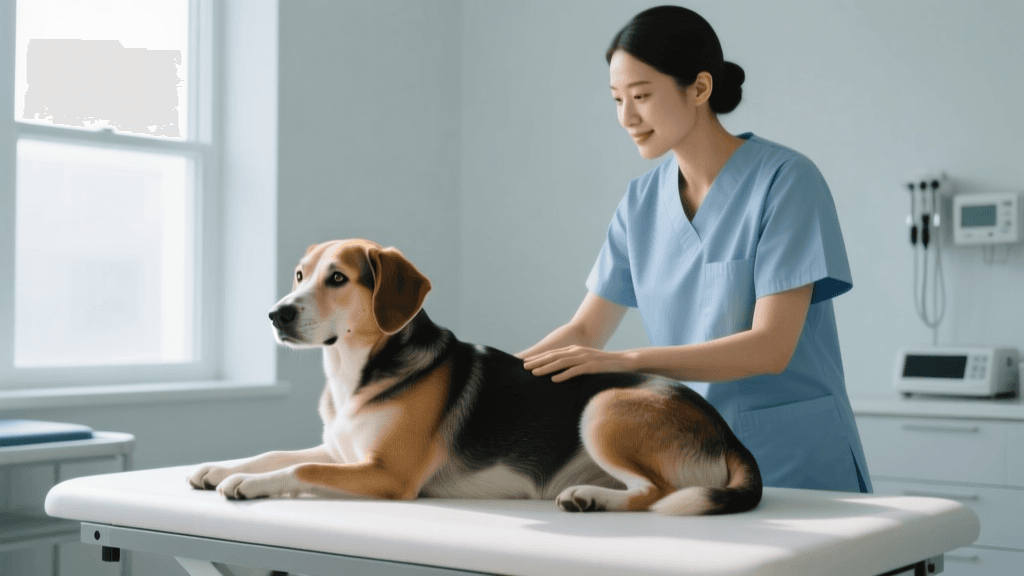
A definitive diagnosis of osteoarthritis requires a comprehensive veterinary evaluation. The Merck Veterinary Manual outlines that a proper diagnosis relies on a combination of physical manipulation and diagnostic imaging. During your visit, the veterinarian will perform a thorough orthopedic and neurological exam. They will palpate the joints to check for swelling, heat, and crepitus (a crunching or grating sensation caused by bone rubbing on bone), and assess the joint's range of motion.
To confirm the diagnosis and rule out other issues like bone tumors or ligament tears, radiographs (X-rays) are essential. X-rays will reveal hallmark signs of OA, such as narrowed joint spaces, increased subchondral bone density (sclerosis), and the presence of osteophytes. In complex cases, advanced imaging like an MRI or CT scan, or joint fluid analysis (arthrocentesis), may be recommended to assess the extent of the inflammation.
Comprehensive Solutions: A Multimodal Approach to Pain Management
There is no cure for osteoarthritis, but the problem can be effectively managed. The gold standard for treating canine OA is a multimodal approach, which combines several therapies to target pain from different angles, minimizing the side effects of any single treatment.
1. Weight Management and Targeted Nutrition
Carrying excess body fat is the single most significant modifiable risk factor for OA progression. Every extra pound places exponential mechanical stress on damaged joints and promotes systemic inflammation through fat-derived cytokines. Work with your vet to determine your dog's ideal Body Condition Score (BCS). For overweight dogs, reducing daily caloric intake by 10% to 15% and transitioning to a therapeutic joint diet, such as Hill's Prescription Diet j/d or Purina Pro Plan JM, can provide clinically proven relief. These diets are fortified with high levels of Omega-3 fatty acids, which actively interrupt the inflammatory cascade within the joint.
2. Joint Supplements and Nutraceuticals
Nutraceuticals are a cornerstone of long-term OA management. When selecting a supplement, look for products backed by clinical trials rather than generic store brands. Dasuquin Advanced and Cosequin DS Plus MSM are widely recommended by veterinarians. These contain synergistic blends of Glucosamine Hydrochloride, Chondroitin Sulfate, and Avocado/Soybean Unsaponifiables (ASU) to protect existing cartilage. Additionally, supplementing with high-quality fish oil is crucial. The active Omega-3s, EPA and DHA, should be dosed at approximately 100 to 300 mg per 10 kg of body weight daily. Expect to spend between $30 and $60 per month on high-quality joint supplements, and allow 4 to 6 weeks of consistent daily use before evaluating their effectiveness.
3. Prescription Pain Medications and Biologics
When supplements and weight management are insufficient, pharmaceutical intervention is necessary. Non-Steroidal Anti-Inflammatory Drugs (NSAIDs) like Carprofen (Rimadyl) or Meloxicam are the first line of defense for reducing acute flare-ups and chronic inflammation. They typically cost $1 to $2 per pill. However, long-term NSAID use requires biannual blood work to monitor liver and kidney function.
For dogs that cannot tolerate NSAIDs, or for those needing additional breakthrough pain control, Gabapentin is frequently prescribed to manage neuropathic pain. Recently, a revolutionary biologic treatment called Librela (bedinvetmab) has transformed OA care. Administered as a monthly subcutaneous injection by your vet, Librela is a monoclonal antibody that specifically targets Nerve Growth Factor (NGF), stopping pain signals before they reach the brain. Depending on your dog's weight, Librela costs between $50 and $150 per monthly dose and has shown remarkable efficacy with minimal side effects.
4. Environmental Modifications and Physical Therapy
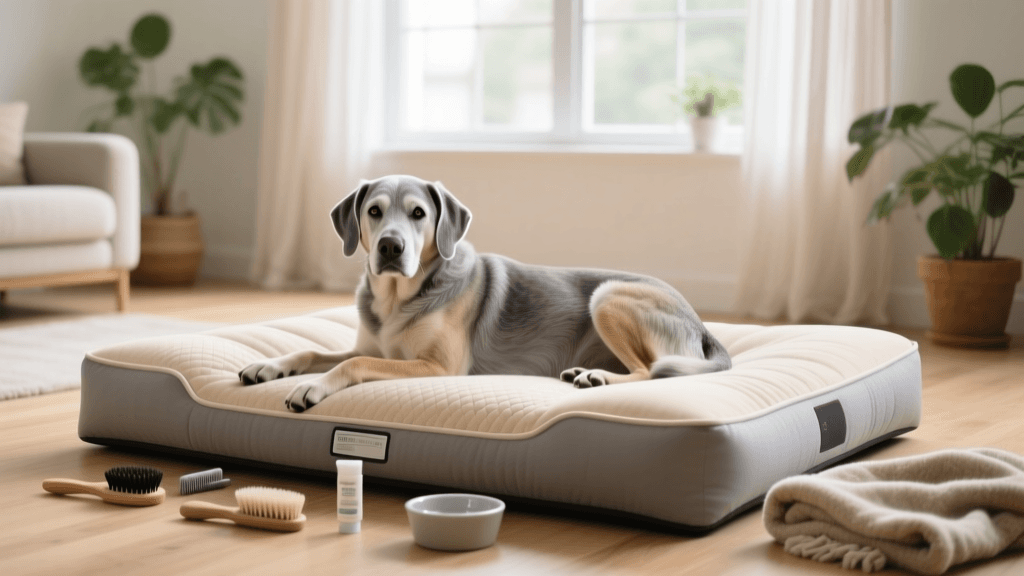
Modifying your home environment reduces the daily mechanical strain on your dog's joints. Invest in a high-density orthopedic memory foam bed ($50 to $150) to support their joints while sleeping. Place non-slip rugs or yoga mats over slippery hardwood floors to prevent splaying, and use a sturdy ramp ($30 to $60) to help them access the car or furniture. Furthermore, canine rehabilitation therapies, such as underwater treadmill sessions ($75 to $120 per session) and Class IV cold laser therapy, can significantly improve muscle mass and joint flexibility without high-impact stress.
Comparing Canine Osteoarthritis Treatment Options
To help you navigate the various solutions available, the table below outlines the primary treatment modalities, their estimated costs, and their primary clinical benefits.
| Treatment Type | Example Product / Action | Est. Monthly Cost | Time to See Results | Primary Benefit |
|---|---|---|---|---|
| Weight Management | Prescription Joint Diet (e.g., Hill's j/d) | $70 - $120 | 4 - 8 Weeks | Reduces mechanical load and systemic inflammation |
| Nutraceuticals | Dasuquin Advanced / EPA-DHA Fish Oil | $40 - $75 | 4 - 6 Weeks | Supports cartilage matrix and joint lubrication |
| NSAIDs | Carprofen (Rimadyl) / Meloxicam | $30 - $90 | 1 - 3 Days | Rapid reduction of acute joint inflammation and pain |
| Biologics (NGF Inhibitors) | Librela (bedinvetmab) Injection | $50 - $150 | 1 - 4 Weeks | Targets nerve-level pain with minimal organ toxicity |
| Physical Rehabilitation | Underwater Treadmill / Laser Therapy | $150 - $300 | 2 - 6 Weeks | Builds supporting muscle mass without joint impact |
Creating a Long-Term Action Plan
Managing canine osteoarthritis is a marathon, not a sprint. The American Kennel Club (AKC) emphasizes that consistency is the key to successful long-term pain management. Create a daily checklist that includes administering supplements with breakfast, enforcing low-impact exercise like two 15-minute leash walks (rather than one long, exhausting hike), and providing evening heat therapy using a pet-safe heating pad on their bed for 10 minutes.
Schedule a veterinary recheck every six months to reassess your dog's mobility, adjust medication dosages as the disease progresses, and perform routine blood work if your dog is on daily NSAIDs. By combining early diagnosis with a proactive, multimodal treatment plan, you can successfully manage the problem of osteoarthritis, ensuring your canine companion remains comfortable, active, and happy well into their senior years.
jonas-cole
All our authors care for dogs every day — read more of their work on the authors page.