Step-by-Step Cooperative Care Training for Vet Visits
Learn step-by-step cooperative care training to reduce your dog's stress during vet visits, nail trims, and medical exams for better long-term health.
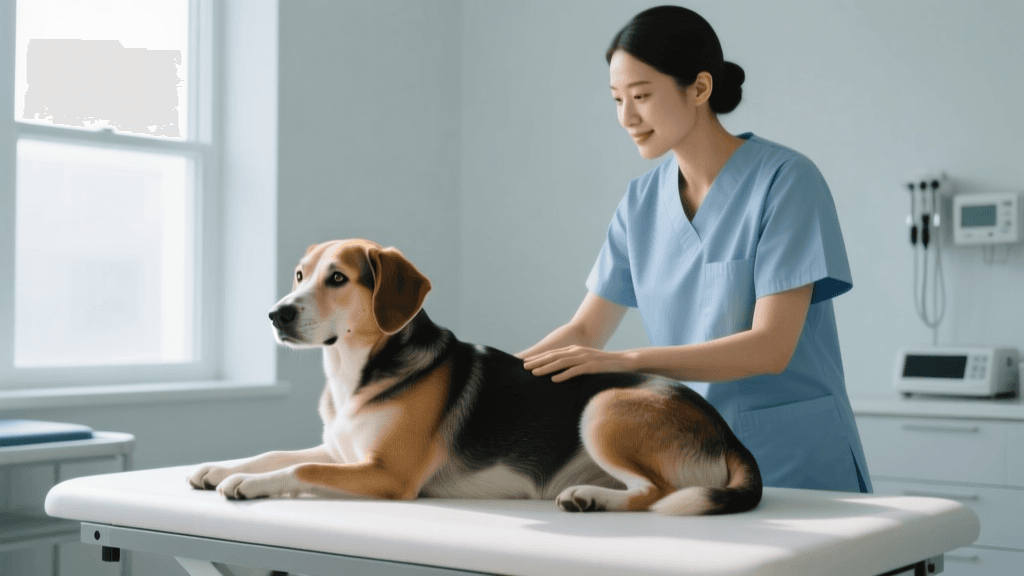
Why Cooperative Care is Crucial for Your Dog's Health
When we think of canine health and wellbeing, we often focus on nutrition, exercise, and disease prevention. However, the psychological stress associated with veterinary care and grooming is a frequently overlooked health hazard. Chronic stress elevates cortisol levels, which can suppress the immune system, delay healing, and mask underlying medical conditions during exams. According to the Fear Free Pets initiative, reducing fear, anxiety, and stress (FAS) is a critical component of modern veterinary medicine.
Cooperative care training shifts the paradigm from forced restraint to willing participation. By teaching your dog to voluntarily engage in their own medical care, you not only improve their mental wellbeing but also ensure more accurate health assessments. This step-by-step guide will walk you through the foundational exercises needed to transform your dog's next vet visit from a traumatic ordeal into a stress-free health maintenance routine.
Essential Tools for Cooperative Care Training
Before beginning your training journey, gather the right equipment. Investing in these specific tools will yield high returns in your dog's long-term health and comfort.
- LickiMat Soother ($12 - $15): A textured silicone mat designed to hold soft treats like plain pumpkin puree or xylitol-free peanut butter. Licking releases endorphins in dogs, naturally soothing their nervous system during handling exercises.
- High-Value Treats ($8 - $15): Opt for Zuke's Mini Naturals or freeze-dried beef liver. Break them into pea-sized pieces to allow for rapid reinforcement without overfeeding or causing gastrointestinal upset.
- Non-Slip Yoga Mat ($15 - $25): Veterinary exam tables and home hardwood floors can be slippery. A dedicated mat provides secure footing, reducing physical anxiety and joint strain, especially for senior dogs with arthritis.
- Target Stick or Wooden Spoon ($5): Used for teaching the dog exactly where to place their chin or nose during examinations.
- Kong Classic ($12 - $18): Excellent for the waiting room. Stuff it with wet food and freeze it the night before to keep your dog occupied and calm before the exam begins.
Step 1: Establishing the 'Chin Rest' Station
The chin rest is the cornerstone of cooperative care. It gives your dog a specific job to focus on while the veterinarian examines their ears, eyes, teeth, and draws blood from the jugular vein.
Phase A: Targeting the Hand
Hold your hand flat, palm down, about an inch from your dog's nose. The moment they sniff or touch your palm, mark the behavior with a clicker or a verbal 'Yes!' and deliver a pea-sized treat. Repeat this 10 to 15 times per session, keeping sessions under 3 to 5 minutes to prevent mental fatigue.
Phase B: Adding Duration
Once your dog reliably touches your palm, delay the reward by one second. Gradually increase the duration to 3 seconds, then 5 seconds, then 10 seconds. If your dog pulls away, do not scold them; simply reset and ask for a shorter duration. This builds trust and ensures the dog knows they have the agency to opt-out if overwhelmed.
Phase C: Generalizing to a Prop
Transition from your hand to a stable surface, like a folded towel or a specialized chin target placed on a sturdy stool. Practice this in different rooms of your house to generalize the behavior before attempting it in a clinical setting.
Step 2: Desensitization to Medical Handling
Once your dog is comfortable holding a stationary position, you can introduce medical stimuli. The American Kennel Club emphasizes that desensitization must occur below the dog's threshold of fear. Watch closely for calming signals like lip licking, yawning, or 'whale eye' (showing the whites of their eyes), which indicate rising stress.
Simulating the Stethoscope
Use a toy stethoscope or your knuckles to mimic the pressure of a real stethoscope. While your dog is on their LickiMat, gently press against their ribs for one second, then treat. Over several weeks, increase the pressure and duration, moving to different parts of the chest and abdomen. If your dog tenses or freezes, you have moved too fast. Return to a lighter touch and higher-value rewards.
Paw Handling and Nail Care Prep
Nail trims are notoriously stressful, but overgrown nails can alter a dog's posture, leading to severe orthopedic issues and joint pain. Start by simply touching the shoulder, then the elbow, then the wrist, treating at each step. Never force the paw open. Instead, wait for your dog to relax their leg muscles before gently extending the toes. Pair this with the sound of a Dremel tool turned on in another room, gradually bringing it closer over multiple sessions.
Comparison Chart: Traditional Restraint vs. Cooperative Care
Understanding the physiological differences between forced restraint and cooperative care highlights why this training is vital for your dog's overall health and wellbeing.
| Metric | Traditional Forced Restraint | Cooperative Care Training |
|---|---|---|
| Cortisol Levels | Significantly elevated, suppressing immune function | Baseline or mildly elevated, quickly returning to normal |
| Heart Rate | Tachycardia (often exceeding 160 bpm in clinic) | Stable, allowing accurate cardiac auscultation |
| Pain Assessment | Difficult; tension masks localized pain responses | Accurate; dog remains relaxed, isolating true pain points |
| Long-Term Health Impact | Creates veterinary avoidance, delaying preventive care | Promotes routine care, catching diseases in early stages |
Step 3: Practicing the 'Opt-Out' Signal
A critical component of cooperative care is teaching your dog that they can stop the procedure at any time. This might sound counterproductive, but giving a dog an 'escape route' actually reduces their panic, making them more likely to stay engaged.
During a mock exam, if your dog lifts their head off the chin rest or steps off the yoga mat, immediately stop all handling. Remove the stethoscope, step back, and give them a 10-second break. Then, cue them back to the station. If they return, reward heavily with high-value treats like freeze-dried chicken. If they refuse to return, the session is over. This teaches the dog that their boundaries are respected, drastically reducing defensive aggression and fear-based biting.
Troubleshooting Common Setbacks
My dog won't eat treats at the vet clinic: Stress shuts down the digestive system. If your dog refuses food, they are over threshold. You must practice in environments that mimic the clinic before the actual visit. Many Humane Society resources recommend asking your vet for 'Happy Visits'—stopping by the clinic just to eat treats in the lobby and leave, without any medical procedures.
My dog regresses during actual blood draws: This is normal. A needle prick is a sharp, surprising stimulus. Work with your vet to use topical numbing creams (like EMLA cream) applied 45 minutes before the appointment, or discuss short-acting anti-anxiety medications like Trazodone or Gabapentin ($15 - $30 per prescription) to be given at home prior to travel. Medication combined with training is a highly effective, welfare-focused approach to veterinary care.
Conclusion: A Lifelong Investment in Wellbeing
Cooperative care training is not a one-time trick; it is a lifelong investment in your dog's physical and mental health. By dedicating just 5 minutes a day to these step-by-step exercises, you empower your dog to become an active participant in their own healthcare. The result is a healthier, happier dog who receives better medical care, accurate diagnoses, and a significantly higher quality of life. Start your training today, and watch your dog's confidence—and overall wellbeing—soar.
jonas-cole
All our authors care for dogs every day — read more of their work on the authors page.