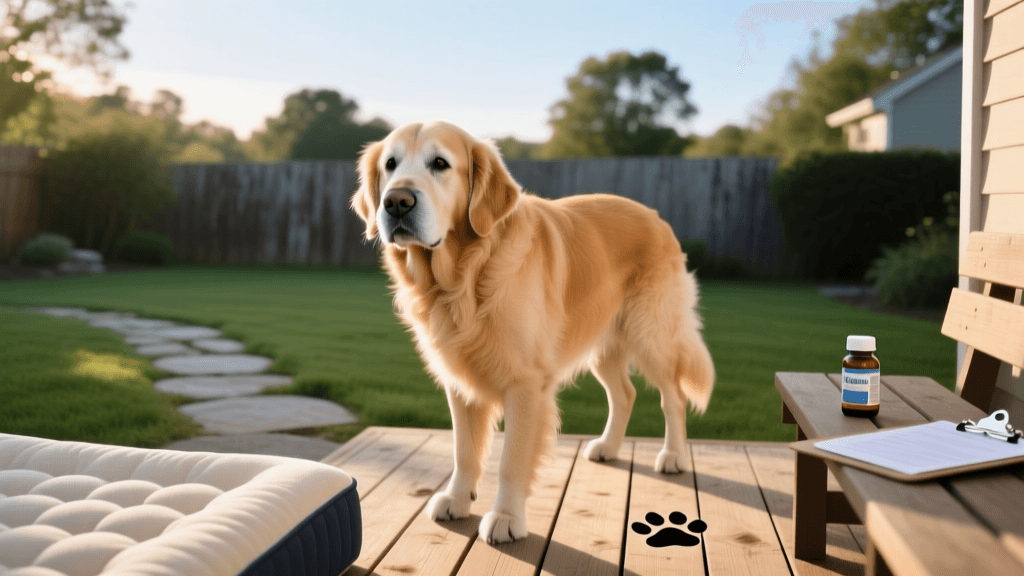
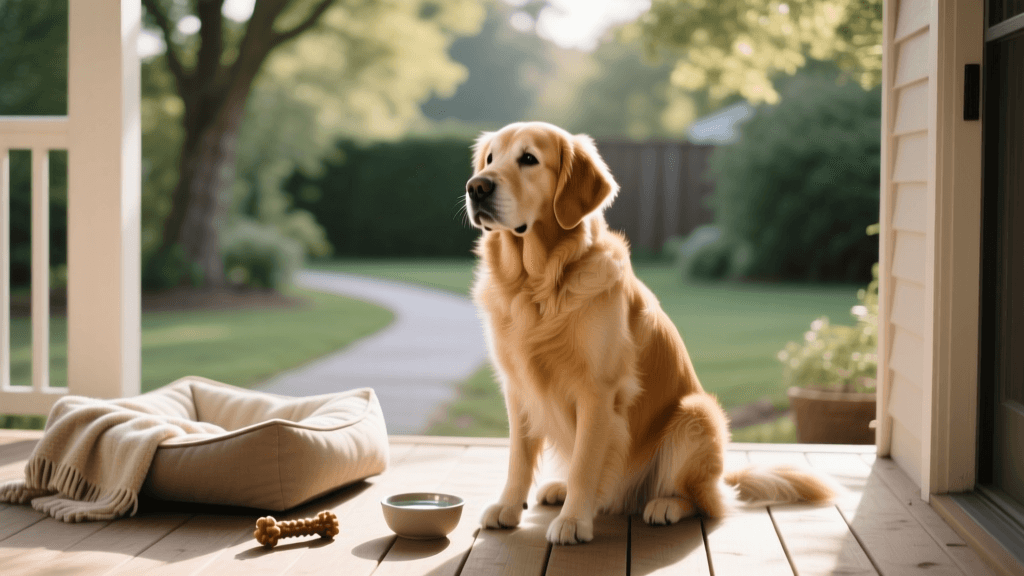
Senior Dog Mobility: Managing Arthritis in the Golden Years
Discover actionable life stage care tips for senior dogs with arthritis. Learn about joint supplements, home modifications, and pain management.

Welcome to the Senior Life Stage: Navigating Canine Arthritis
As part of our comprehensive Life Stage Care Guides, transitioning your dog into their senior years requires a proactive approach to health and wellbeing. For many dogs, the golden years are accompanied by a decline in mobility, most commonly driven by canine osteoarthritis (OA). According to the American Veterinary Medical Association (AVMA), osteoarthritis is a degenerative joint disease that affects up to 25% of all dogs and up to 80% of senior large-breed dogs. Understanding how to manage this condition is critical for maintaining your aging companion's quality of life.
Osteoarthritis occurs when the protective cartilage within a joint wears away, leading to bone-on-bone friction, inflammation, and chronic pain. While it is a progressive condition that cannot be cured, a multi-modal approach combining veterinary medicine, targeted supplements, environmental modifications, and weight management can drastically slow its progression and keep your senior dog comfortable.
Recognizing the Subtle Signs of Joint Pain
Dogs are stoic creatures by nature, and they rarely vocalize chronic pain. By the time a dog is actively limping, the arthritis is often advanced. As a dedicated pet owner, you must look for subtle behavioral shifts that indicate discomfort in the senior life stage:
- Reluctance to navigate stairs or jump into vehicles: Your dog may hesitate at the bottom of the stairs or wait for you to lift them into the car.
- Morning stiffness: Just like humans, arthritic dogs often exhibit stiffness after waking up that improves slightly after they move around for a few minutes.
- Lagging on walks: A once-enthusiastic walker may now stop frequently, sit down mid-walk, or lag behind you.
- Excessive licking: Chronic licking or chewing at specific joints (like the carpus/wrist or stifle/knee) is a common self-soothing mechanism for localized pain.
- Irritability or withdrawal: Pain can cause a dog to snap when touched or hide in secluded areas of the house.
Veterinary Interventions and Pain Management
The cornerstone of senior arthritis management is a tailored veterinary pain protocol. Never administer human pain medications like ibuprofen or acetaminophen, as these are highly toxic to dogs. Instead, work with your veterinarian to explore the following options:
Prescription Medications
Non-Steroidal Anti-Inflammatory Drugs (NSAIDs) such as Carprofen (Rimadyl) or Meloxicam (Metacam) are the first line of defense. They reduce joint inflammation and provide significant pain relief. Expect to pay between $40 and $90 per month depending on your dog's weight. For dogs that cannot tolerate NSAIDs due to kidney or liver issues, Gabapentin or Amantadine may be prescribed to alter pain signaling in the nervous system.
Monoclonal Antibody Therapy
A revolutionary advancement in senior dog care is Librela (bedinvetmab), a monthly injectable monoclonal antibody that targets Nerve Growth Factor (NGF), a key driver of OA pain. Administered by your vet, it costs approximately $100 to $180 per month and has shown remarkable efficacy in restoring mobility without the systemic side effects of traditional NSAIDs.
Regenerative Therapies
For owners seeking advanced interventions, therapies like Platelet-Rich Plasma (PRP) or stem cell therapy can reduce joint inflammation. While upfront costs are high (ranging from $800 to $2,500 per session), the effects can last for 6 to 12 months, providing a drug-free alternative for pain management.
Joint Supplements: What Actually Works?
The pet supplement market is saturated, but not all joint chews are created equal. When selecting a supplement for your senior dog, look for products that carry the National Animal Supplement Council (NASC) seal of quality. According to research highlighted by the Cornell University College of Veterinary Medicine, a multi-modal supplement approach yields the best results.
| Supplement Type | Primary Benefit | Recommended Dosage (per 50 lbs) | Est. Monthly Cost |
|---|---|---|---|
| Glucosamine HCl & Chondroitin | Provides building blocks for cartilage repair and inhibits cartilage-degrading enzymes. | 1000mg Glucosamine / 800mg Chondroitin daily | $25 - $40 |
| Omega-3 Fatty Acids (EPA/DHA) | Powerful systemic anti-inflammatory; reduces joint swelling and morning stiffness. | 1000mg combined EPA/DHA daily | $20 - $35 |
| Green-Lipped Mussel | Contains unique glycosaminoglycans and antioxidants that soothe inflamed joints. | 500mg - 1000mg daily | $30 - $45 |
| UC-II Undenatured Collagen | Works with the immune system to prevent the body from attacking its own joint cartilage. | 40mg daily | $35 - $50 |
Pro Tip: Products like Dasuquin Advanced or Nutramax Cosequin contain a synergistic blend of these ingredients and are highly recommended by veterinary orthopedic specialists.
Home Modifications for the Aging Dog
Adapting your living space is a crucial, often overlooked aspect of the Life Stage Care Guides. Slippery floors and high furniture can turn a simple living room into an obstacle course for an arthritic dog.
Flooring and Traction
Hardwood, tile, and laminate floors are incredibly difficult for senior dogs with weakened hindquarters. Place interlocking foam mats or non-slip area rugs in high-traffic zones, particularly near food bowls and sleeping areas. For dogs that struggle on stairs or slick floors, consider ToeGrips (approx. $30), which are small rubber cylinders that slip over the dog's nails to provide instant traction.
Ramps and Stairs
Jumping into an SUV or onto a bed can cause micro-fractures and severe joint flare-ups. Invest in a high-quality ramp. The PetSafe Happy Ride Folding Pet Ramp (approx. $80 - $120) is lightweight and supports up to 200 lbs. Ensure the ramp's incline is gentle; an angle greater than 20 degrees can cause anxiety and strain. For couches and beds, foam pet stairs with a high-traction cover are ideal.
Orthopedic Bedding
Thin, plush beds do not provide adequate support for aging joints. Upgrade to a therapeutic orthopedic bed like the Big Barker Orthopedic Dog Bed (approx. $250 - $350). It features 7 inches of therapeutic foam engineered to prevent the dog from sinking to the hard floor, which is vital for preventing pressure sores and joint stiffness. Place the bed in a warm, draft-free area of the home.
Diet and Weight Management: The Most Critical Factor
If there is one takeaway from senior life stage care, it is this: weight management is the single most effective way to slow the progression of arthritis. Every extra pound of body weight places roughly four pounds of extra stress on a dog's joints. According to the American Kennel Club (AKC), keeping a senior dog lean can reduce the need for pain medications and significantly extend their lifespan.
Your dog should have a Body Condition Score (BCS) of 4 out of 9. You should be able to easily feel their ribs without a thick layer of fat, and they should have a visible abdominal tuck. If your dog needs to lose weight, transition them to a prescription joint-support diet such as Hill's Prescription Diet j/d or Royal Canin Mobility Support. These diets are clinically proven to improve mobility in just 21 days by utilizing specific omega-3 profiles and controlled caloric densities. Expect to spend $80 to $110 per month on prescription joint diets for a medium-to-large dog.
Exercise Modifications for the Senior Life Stage
Exercise remains vital for senior dogs to maintain muscle mass, which acts as a shock absorber for arthritic joints. However, the type of exercise must change. Weekend warrior activities, like chasing frisbees or going on abrupt, grueling 5-mile hikes, should be replaced with consistent, low-impact movement.
- Short, Frequent Walks: Replace one long 45-minute walk with three 15-minute leash walks spread throughout the day. This prevents joint fatigue and stiffness.
- Hydrotherapy: Swimming or underwater treadmill sessions are the gold standard for senior dogs. The buoyancy of the water removes stress from the joints while the resistance builds crucial supporting muscle. Sessions typically cost $50 to $100 each.
- Canine Massage and Acupuncture: Certified canine massage therapists and veterinary acupuncturists can help relieve compensatory muscle pain. When a dog has bad hips, they shift their weight to their front shoulders, causing secondary muscle spasms. Weekly or bi-weekly sessions can provide immense relief.
Conclusion: Embracing the Golden Years
Caring for a senior dog with arthritis requires patience, observation, and a willingness to adapt. By combining veterinary pain management, high-quality joint supplements, strategic home modifications, and strict weight control, you can ensure your dog's golden years are truly golden. Regular check-ups every six months are essential during this life stage to adjust medications and monitor organ health. Your dog has spent their life giving you unconditional love; providing them with a comfortable, pain-free senior life stage is the greatest way to return the favor.
priya-sutaria
All our authors care for dogs every day — read more of their work on the authors page.