The Senior Dog Care Guide: Diet, Exercise, and Wellness
Discover essential senior dog care tips. Learn how to adjust your aging dog's diet, exercise, and vet visits for a healthier, happier golden life stage.

Embracing the Golden Years: A Life Stage Approach to Senior Dog Care
Watching your dog transition from a boundless puppy to a distinguished senior is one of the most rewarding, yet emotionally complex, journeys of pet ownership. As your dog enters their golden years, their physiological needs shift dramatically. The American Animal Hospital Association (AAHA) emphasizes that life stage care is not a one-size-fits-all approach; it requires targeted adjustments in nutrition, physical activity, and preventive veterinary medicine. This comprehensive guide will walk you through the actionable steps necessary to optimize your senior dog's health, mobility, and cognitive function.
Defining the Senior Life Stage: Beyond the 7-Year Myth
For decades, pet owners relied on the flawed "seven-year rule," assuming a dog becomes a senior at exactly seven years of age. In reality, the aging process in canines is heavily influenced by their adult body weight and genetic lineage. Larger breeds age significantly faster than smaller breeds due to the rapid cellular turnover and increased oxidative stress associated with their accelerated growth phases. According to the American Veterinary Medical Association (AVMA), recognizing your dog's specific life stage threshold is the first step in implementing appropriate wellness protocols.
| Dog Size Category | Weight Range | Senior Threshold | Geriatric Threshold |
|---|---|---|---|
| Small Breeds | Under 20 lbs | 10-12 Years | 13+ Years |
| Medium Breeds | 21-50 lbs | 8-10 Years | 11+ Years |
| Large Breeds | 51-90 lbs | 7-9 Years | 10+ Years |
| Giant Breeds | Over 90 lbs | 5-7 Years | 8+ Years |
Nutritional Adjustments: Debunking the Low-Protein Myth
One of the most persistent and harmful myths in canine nutrition is that senior dogs require low-protein diets to protect their kidneys. The Tufts Cummings School of Veterinary Medicine has thoroughly debunked this notion. Unless a dog is in the late stages of diagnosed chronic kidney disease (CKD), restricting protein can actually lead to sarcopenia—the age-related loss of muscle mass. Healthy senior dogs need highly digestible, high-quality animal proteins to maintain lean body condition and support immune function.
Caloric Management and Body Condition Scoring
As metabolism slows and daily energy expenditure decreases, senior dogs are highly prone to obesity. Excess weight exacerbates osteoarthritis, strains the cardiovascular system, and increases the risk of metabolic disorders. You should aim to reduce your senior dog's daily caloric intake by 10% to 20% compared to their adult maintenance levels. Stop using standard measuring cups, which can vary wildly in accuracy, and invest in a digital kitchen scale. Weighing your dog's kibble to the exact gram ensures precision. Aim for a Body Condition Score (BCS) of 4 to 5 out of 9, where the ribs are easily palpable without excess fat covering, and a distinct abdominal tuck is visible.
Targeted Supplementation for Joints and Cognition
While a balanced commercial diet forms the foundation of health, the senior life stage often requires targeted nutraceutical support to address specific age-related declines.
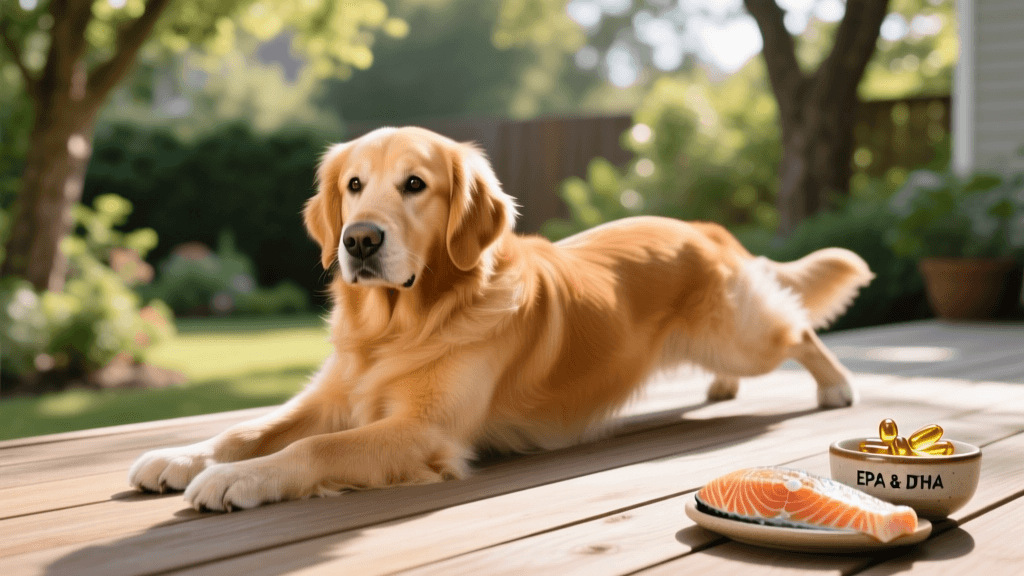
- Omega-3 Fatty Acids (EPA and DHA): Crucial for managing systemic inflammation associated with osteoarthritis and supporting brain health. The therapeutic dosage for joint support is generally between 100mg to 300mg of combined EPA/DHA per 10 kilograms of body weight daily. Look for triglyceride-form fish oils or algae-based alternatives for better bioavailability.
- Green Lipped Mussel (GLM): A potent source of glycosaminoglycans and unique anti-inflammatory compounds. A daily dose of 15-20mg per kilogram of body weight can significantly improve mobility in dogs with degenerative joint disease.
- Medium Chain Triglycerides (MCTs): As dogs age, their brains become less efficient at utilizing glucose. MCT oil provides an alternative energy source (ketones) for the brain, which has been shown to improve cognitive function and reduce signs of Canine Cognitive Dysfunction (CCD). Start with 1/4 teaspoon per 10 lbs of body weight and gradually increase to avoid gastrointestinal upset.
Modifying Exercise: Consistency Over Intensity
The "weekend warrior" routine—where a dog rests all week and embarks on a grueling three-mile hike on Saturday—is highly detrimental to senior joints. Exercise must shift from high-impact, endurance-based activities to low-impact, consistent, and frequent movements. Replace a single 45-minute walk with three 15-minute leash walks spread throughout the day. This prevents joint stiffness and muscle fatigue while maintaining cardiovascular health.
Consider incorporating canine hydrotherapy or swimming, which provides excellent resistance training without the concussive forces of gravity on aging cartilage. For mental and physical enrichment, replace high-impact fetch sessions with scent work or "sniffaris," allowing your dog to explore new environments at their own pace, which provides immense mental stimulation and tires them out safely.
Preventive Veterinary Care: The Senior Wellness Protocol
Because dogs age much faster than humans, an annual veterinary visit is no longer sufficient once your dog crosses the senior threshold. The AAHA recommends bi-annual (every six months) comprehensive wellness examinations. Early detection is the cornerstone of managing age-related diseases such as hypothyroidism, diabetes, and renal failure.
The Senior Blood Panel
Request a comprehensive senior diagnostic panel at every visit. This should include:
- Complete Blood Count (CBC): To check for anemia, infection, and blood cell abnormalities.
- Comprehensive Chemistry Panel: To evaluate liver enzymes, electrolytes, and blood glucose.
- SDMA (Symmetric Dimethylarginine): A revolutionary biomarker that can detect kidney function decline up to 17 months earlier than traditional BUN and Creatinine tests.
- Total T4: To screen for hypothyroidism, a common condition in older dogs that causes lethargy and weight gain.
- Complete Urinalysis: Essential for evaluating the kidneys' concentrating ability and detecting subclinical urinary tract infections or early bladder issues.
Cost Expectation: A comprehensive senior wellness blood panel and urinalysis typically ranges from $150 to $350, depending on your geographic location and whether the tests are run in-house or sent to an external laboratory like IDEXX or Antech.
Dental Health and Systemic Wellness
Periodontal disease is not just a cosmetic issue; the chronic bacteria from infected gums enter the bloodstream, causing microscopic damage to the heart valves, liver, and kidneys. If your senior dog requires a dental prophylaxis under anesthesia, consult with your veterinarian about pre-anesthetic cardiac screenings (like an echocardiogram) and specialized anesthetic protocols tailored for geriatric patients to ensure their safety.
Environmental Modifications for Comfort and Safety
Your home environment plays a massive role in your senior dog's quality of life. Simple, relatively inexpensive modifications can drastically reduce pain and anxiety.
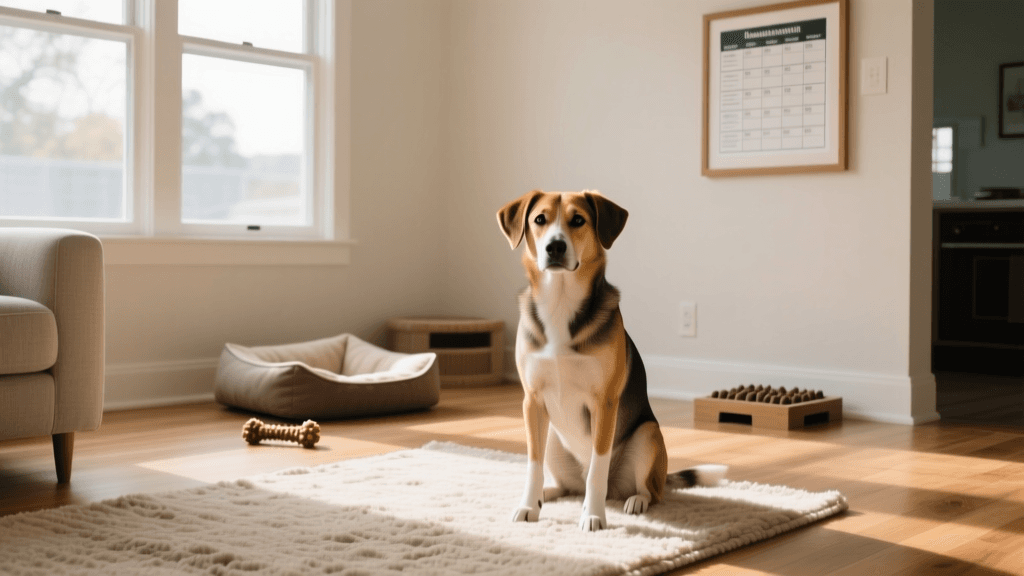
- Orthopedic Bedding: Thin, poly-fill beds offer no support for arthritic joints. Invest in a high-density memory foam or therapeutic orthopedic bed that is at least 4 to 6 inches thick. Ensure the cover is waterproof and machine washable, as senior dogs may experience occasional incontinence.
- Ramps and Stairs: Jumping on and off furniture or into vehicles places immense sheer force on the spine and hips. Use pet ramps with a gentle incline ratio (ideally 1:3 or 1:4) covered in high-traction material. For smaller dogs, foam pet stairs are a suitable alternative.
- Floor Traction: Hardwood and tile floors are notoriously difficult for dogs with weakened hindquarters. Lay down interlocking foam mats, yoga mats, or non-slip area rugs in high-traffic zones and near your dog's bed and water bowls to prevent catastrophic slips and falls.
- Elevated Bowls: Raising food and water bowls by 4 to 8 inches (depending on the dog's height) reduces the strain on the neck, shoulders, and front limbs, making mealtime much more comfortable for dogs with cervical or thoracic arthritis.
Conclusion: Honoring Their Legacy
Caring for a senior dog requires a proactive, observant, and deeply compassionate approach. By adjusting their diet to preserve muscle mass, modifying their exercise to protect their joints, and leveraging advanced veterinary diagnostics, you can mitigate the discomforts of aging. The senior life stage is not a decline into illness, but a unique chapter where the bond between you and your dog deepens. With the right life stage care guide in hand, you can ensure your loyal companion enjoys their golden years with the dignity, comfort, and joy they have so rightfully earned.
anouk-beaumont
All our authors care for dogs every day — read more of their work on the authors page.