Senior Dog Joint Care: Managing Arthritis And Mobility
Discover actionable life stage care guides for senior dog joint health. Learn about arthritis management, supplements, orthopedic beds, and vet treatments.
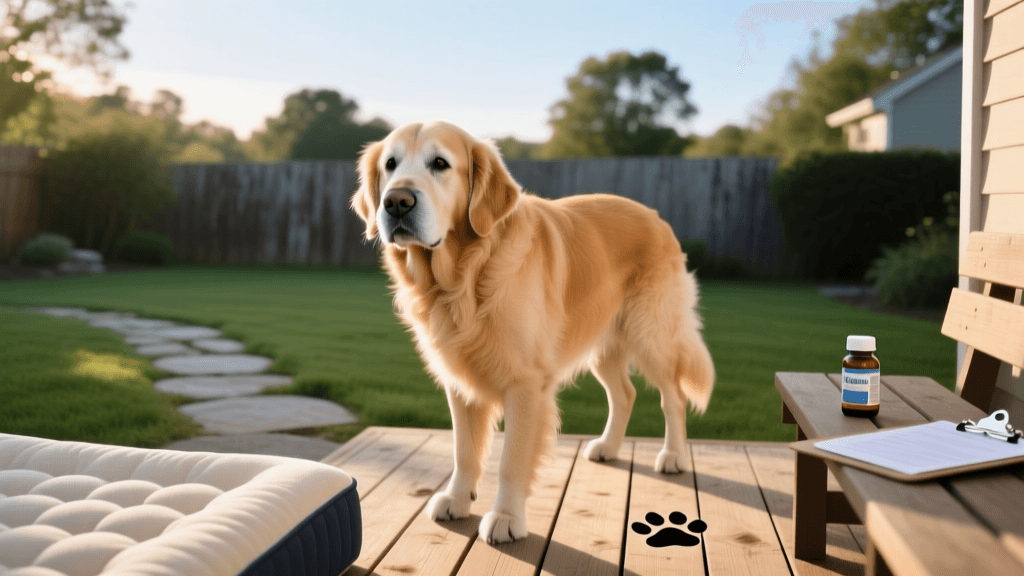
Welcome to the Senior Life Stage Care Guide
As your faithful companion transitions into their golden years, their care requirements shift dramatically. One of the most pervasive and impactful changes senior dogs face is the degradation of joint health. Canine osteoarthritis (OA) is a progressive, degenerative joint disease that affects the cartilage, synovial fluid, and underlying bone. According to the American College of Veterinary Surgeons, osteoarthritis is estimated to affect up to 25% of all dogs, with the prevalence skyrocketing in senior populations. This comprehensive guide provides actionable, specific, and measurable strategies to manage your senior dog's joint health, maintain their mobility, and ensure their twilight years are comfortable and joyful.
Recognizing the Subtle Signs of Canine Osteoarthritis
Dogs are stoic creatures, often masking pain until it becomes severe. As a proactive owner, you must look for micro-behaviors that indicate joint discomfort. Early detection is paramount for slowing disease progression.
- Reluctance to Navigate Stairs: Hesitation before jumping into the car or climbing stairs.
- Morning Stiffness: A slow, stiff gait that improves slightly after a few minutes of movement.
- Behavioral Shifts: Irritability when touched around the hips or spine, or a sudden reluctance to play.
- Excessive Licking: Repetitively licking the carpal (wrist) or tarsal (ankle) joints.
- Muscle Atrophy: Noticeable thinning of the thigh muscles (quadriceps) due to decreased weight-bearing on the affected hind limbs.
The American Kennel Club emphasizes that owners should never dismiss these signs as simply slowing down due to old age. Pain is a treatable medical condition, not an inevitable consequence of aging.
Environmental Modifications: Creating a Joint-Friendly Home
Before turning to pharmaceuticals, optimizing your dog's living environment can drastically reduce daily joint strain. These modifications are essential components of senior life stage care.
Orthopedic Sleeping Surfaces
Standard poly-fill dog beds offer zero structural support. Invest in a high-quality, human-grade orthopedic bed. The Big Barker 7-Inch Pillow Top Orthopedic Dog Bed (ranging from $239 to $309 depending on size) uses a proprietary three-tier foam system that prevents bottoming out. This ensures that heavy pressure points like hips and elbows do not press against the hard floor, which is critical for dogs with hip dysplasia or severe arthritis.
Traction and Ramps
Slippery hardwood or tile floors are a major hazard for senior dogs with weakened hindquarters. Lay down interlocking foam floor tiles or non-slip pet rugs in high-traffic areas. For vehicle loading, use a ramp with a gentle incline, such as the Pet Gear Travel Lite Ramp ($40-$60), which supports up to 150 pounds and reduces the sheer force placed on the shoulder and hip joints during entry and exit.
Elevated Feeding Stations
Raising food and water bowls by 4 to 8 inches (depending on the dog's shoulder height) prevents the dog from having to splay their front legs and bend their cervical spine, reducing strain on the neck and front carpal joints.
Nutritional Support and Targeted Joint Supplements
Nutraceuticals play a vital role in providing the building blocks for cartilage repair and reducing systemic inflammation. Always consult your veterinarian before starting a new supplement regimen.
Omega-3 Fatty Acids (EPA and DHA)
Omega-3s inhibit the inflammatory pathways that degrade joint cartilage. The therapeutic dose for canine osteoarthritis is typically 300 mg of combined EPA/DHA per 10 pounds of body weight. Nordic Naturals Omega-3 Pet liquid pump is a highly bioavailable option, costing roughly $25 per bottle, allowing for precise dosing based on your dog's exact weight.
Glucosamine, Chondroitin, and MSM
These compounds support synovial fluid viscosity and cartilage matrix integrity. Dasuquin Advanced Soft Chews (approximately $75 for 84 chews) is a gold-standard veterinary-recommended supplement. It includes ASU (Avocado/Soybean Unsaponifiables), which has been shown to inhibit cartilage breakdown more effectively than glucosamine alone. Administer the loading dose for the first 4-6 weeks, then drop to the maintenance dose.
Green-Lipped Mussel (Perna canaliculus)
Rich in unique glycosaminoglycans and ETA (eicosatetraenoic acid), Green-Lipped Mussel powder is a potent natural anti-inflammatory. Products like YuMOVE Joint Care for Senior Dogs ($30-$40) utilize this ingredient to target stiffness in aging canines.
Veterinary Interventions and Pain Management Protocols
When environmental and nutritional support is no longer sufficient, veterinary medicine offers powerful tools to manage pain and improve quality of life. The Washington State University Veterinary Teaching Hospital advocates for a multimodal approach to pain management, combining different classes of drugs to maximize efficacy while minimizing side effects.
Non-Steroidal Anti-Inflammatory Drugs (NSAIDs)
NSAIDs like Carprofen (Rimadyl) or Meloxicam are the first line of defense. They block COX enzymes to reduce inflammation. Costs average $1.00 to $2.50 per day. Crucial Note: Dogs on long-term NSAIDs require comprehensive blood chemistry panels every 6 months ($150-$250) to monitor liver and kidney function.
Monoclonal Antibodies (NGF Inhibitors)
A revolutionary advancement in senior dog care is Librela (bedinvetmab). Administered as a monthly subcutaneous injection by your vet, Librela targets Nerve Growth Factor (NGF), a key driver of OA pain. It bypasses the liver and kidneys, making it incredibly safe for senior dogs with underlying organ disease. Expect to pay between $75 and $150 per month, scaled by weight.
Adjunctive Neuropathic Pain Medications
For chronic, deep-seated pain, veterinarians may prescribe Gabapentin ($10-$30/month) or Amantadine. These medications alter pain signaling in the central nervous system and are highly effective when paired with NSAIDs or Librela.
Comparison Chart: Joint Health Interventions
| Intervention Type | Example Products/Treatments | Onset of Action | Estimated Monthly Cost | Primary Benefit |
|---|---|---|---|---|
| Nutraceuticals | Dasuquin Advanced, Nordic Naturals | 4 to 8 weeks | $30 - $80 | Cartilage support, mild inflammation reduction |
| NSAIDs | Carprofen, Meloxicam | 1 to 2 hours | $30 - $75 | Strong reduction of acute joint inflammation |
| Monoclonal Antibodies | Librela (bedinvetmab) | 7 to 14 days | $75 - $150 | Blocks nerve pain signals, organ-safe |
| Environmental | Big Barker Bed, Pet Gear Ramp | Immediate | One-time $100 - $300 | Prevents mechanical joint strain and falls |
| Rehabilitation | Hydrotherapy, Laser Therapy | Cumulative (weeks) | $300 - $500 | Builds supporting muscle mass without impact |
Weight Management and Safe Exercise Protocols
No supplement or medication can outwork the mechanical stress caused by excess body fat. Maintaining an ideal Body Condition Score (BCS) of 4/9 or 5/9 is the single most effective way to slow osteoarthritis progression. A dog that is just 10% overweight places exponentially more force on their articular cartilage with every step. Work with your vet to calculate your dog's Resting Energy Requirement (RER) and reduce daily caloric intake by 10-20% if weight loss is needed.
Exercise must remain consistent but controlled. Avoid the weekend warrior syndrome—long, grueling hikes on Saturday followed by three days of severe stiffness. Instead, opt for two 15-minute leash walks daily on flat, even surfaces. For advanced rehabilitation, canine hydrotherapy (underwater treadmill sessions costing $80-$120 each) provides resistance training for muscle building while the buoyancy of the water unloads the joints entirely.
Conclusion: Embracing the Senior Stage
Managing joint health in senior dogs requires a proactive, multimodal strategy. By combining environmental modifications, targeted nutraceuticals, modern veterinary pain management like Librela, and strict weight control, you can drastically alter the trajectory of canine osteoarthritis. Your dog has spent their entire life supporting you; investing the time, observation, and resources into their joint care is the ultimate way to support them in return.
jonas-cole
All our authors care for dogs every day — read more of their work on the authors page.