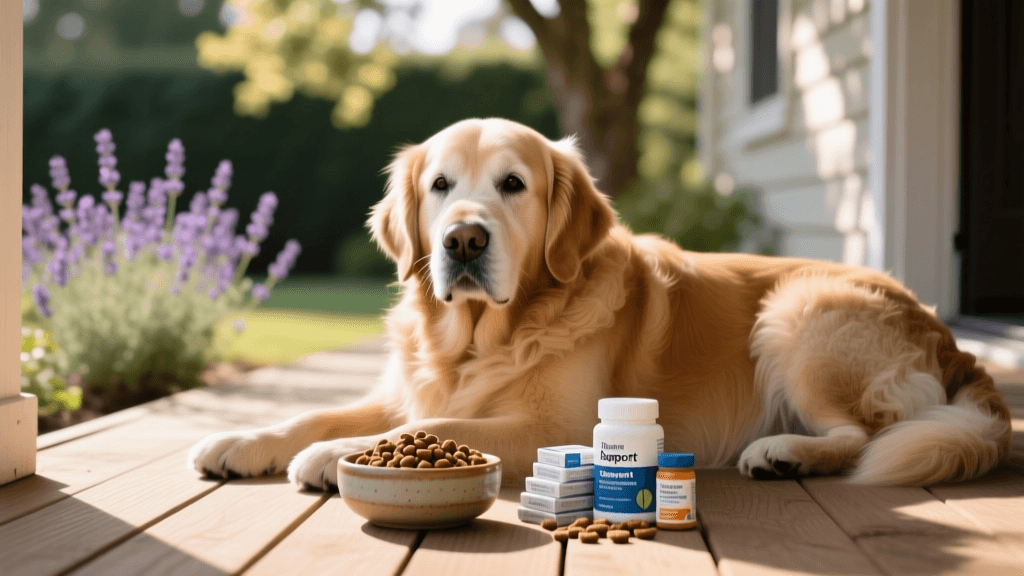
Dog Joint Supplements: Google's Top Questions Answered
Discover answers to Google's most-asked questions about dog joint supplements, arthritis management, glucosamine efficacy, and top vet-recommended brands.

Introduction to Canine Osteoarthritis and Joint Care
If you have ever searched for ways to help your aging or limping dog, you are not alone. Osteoarthritis (OA) is one of the most common chronic conditions affecting canines, with veterinary estimates suggesting that up to 25% of all dogs will experience joint pain and mobility issues at some point in their lives. As pet parents increasingly turn to the internet for solutions, a massive wave of queries regarding canine joint health floods search engines daily. From the efficacy of glucosamine to the safety of human supplements, the 'People Also Ask' sections on Google reveal a deep well of confusion and concern.
In this comprehensive guide, we tackle Google's most-asked questions about dog joint supplements. Whether you are looking for preventive care for a growing large-breed puppy or seeking pain management strategies for a senior dog with severe hip dysplasia, this article provides actionable, science-backed advice, specific product comparisons, and holistic management strategies to keep your dog moving comfortably.
1. What Ingredients Should I Look for in a Dog Joint Supplement?
When browsing the pet aisle or shopping online, the sheer number of joint supplements can be overwhelming. According to the American Kennel Club (AKC), not all supplements are created equal. The most effective, veterinary-recommended joint supplements typically contain a synergistic blend of the following active ingredients:
- Glucosamine Hydrochloride (HCl): A natural compound found in cartilage that helps stimulate the production of glycosaminoglycans (GAGs), the building blocks of joint tissue.
- Chondroitin Sulfate: Often paired with glucosamine, chondroitin helps inhibit the enzymes that break down cartilage while drawing water into the joint matrix, providing essential shock absorption.
- Methylsulfonylmethane (MSM): An organic sulfur compound that acts as a powerful anti-inflammatory, helping to reduce joint swelling and improve cellular permeability.
- Omega-3 Fatty Acids (EPA and DHA): Sourced primarily from fish oil or green-lipped mussel, Omega-3s are clinically proven to reduce joint inflammation and improve mobility.
- Avocado/Soybean Unsaponifiables (ASU): A natural vegetable extract that has been shown to protect existing cartilage and reduce the need for prescription NSAIDs in some dogs.
- Green-Lipped Mussel (GLM): A New Zealand shellfish rich in a unique profile of Omega-3s, amino acids, and minerals that support joint lubrication and reduce oxidative stress.
Actionable Advice: Look for products that carry the National Animal Supplement Council (NASC) Quality Seal. This seal indicates that the manufacturer undergoes rigorous third-party auditing to ensure the ingredients listed on the label are actually present in the bottle in the correct amounts.
2. Does Glucosamine Actually Work for Dogs?
This is arguably the most frequently asked question on Google regarding canine joint health. The short answer is: yes, but with caveats. Glucosamine is not a painkiller like ibuprofen or prescription NSAIDs (e.g., Carprofen or Meloxicam). You will not see an immediate, overnight change in your dog's limp. Instead, glucosamine acts as a Disease-Modifying Osteoarthritis Drug (DMOAD) concept. It works slowly to provide the raw materials necessary for cartilage repair and synovial fluid production.
A comprehensive review highlighted by VCA Animal Hospitals notes that while glucosamine and chondroitin are highly safe and beneficial for long-term joint maintenance, they are most effective when used as part of a multimodal approach. They will not reverse severe bone-on-bone arthritis, but they can significantly slow the progression of cartilage degradation in early to moderate stages of OA.
Veterinary Insight: To see results, you must commit to a 'loading dose.' Most high-quality supplements require you to give your dog double the standard daily maintenance dose for the first 4 to 6 weeks. This saturates the joint tissues and accelerates the therapeutic effect before dropping down to the standard daily dose.
3. What Are the Best Vet-Recommended Joint Supplements?
Based on veterinary recommendations, clinical ingredient profiles, and NASC certification, here is a comparison chart of the top-rated dog joint supplements on the market. Prices are approximate and based on a 50 lb dog's monthly maintenance cost.
| Brand Name | Key Active Ingredients | Avg. Monthly Cost | Form & Palatability | Best For |
|---|---|---|---|---|
| Dasuquin Advanced | Glucosamine, Chondroitin, ASU, Boswellia, EGCG | $75 - $90 | Soft Chews / Tablets | Severe arthritis, post-orthopedic surgery recovery, and senior dogs needing maximum joint support. |
| Cosequin DS Plus MSM | Glucosamine, Chondroitin, MSM | $45 - $60 | Chewable Tablets | Mild to moderate joint stiffness, aging large breeds, and general daily mobility maintenance. |
| GlycoFlex Plus (VetriScience) | Green-Lipped Mussel, Glucosamine, MSM, DMG | $50 - $65 | Bite-Sized Chews | Active dogs, sporting breeds, and dogs with sensitivities to synthetic glucosamine sources. |
| Zesty Paws Mobility Bites | Glucosamine, Chondroitin, MSM, Turmeric, Qmin+ (Mussel) | $30 - $40 | Soft Treat Chews | Budget-conscious owners, early preventive care, and highly picky eaters who refuse pills. |
Actionable Advice: If your dog is highly food-motivated, soft chews like Zesty Paws or GlycoFlex are excellent. However, for dogs with severe allergies or sensitive stomachs, flavored chews might cause gastrointestinal upset. In these cases, opt for unflavored capsules or tablets from Dasuquin or Cosequin, which can be hidden in a small piece of lean boiled chicken or a pill pocket.
4. At What Age Should I Start Giving My Dog Joint Supplements?
Prevention is always more effective than reaction. Cartilage has a very poor blood supply, meaning once it is gone, it is incredibly difficult for the body to regenerate. Therefore, the timing of when you introduce joint supplements depends heavily on your dog's breed size and genetic predispositions.
- Giant Breeds (Great Danes, Mastiffs, Saint Bernards): Start joint supplements as early as 12 to 18 months of age. These breeds grow rapidly and carry immense weight, putting early stress on developing growth plates and joints.
- Large Breeds (Golden Retrievers, German Shepherds, Labs): Begin supplementation around 2 years of age, or immediately following any orthopedic surgery (such as TPLO for a torn CCL). Breeds prone to hip and elbow dysplasia benefit immensely from early ASU and Omega-3 intervention.
- Medium Breeds (Border Collies, Bulldogs): Introduce supplements between 3 to 5 years of age, especially if they participate in high-impact activities like agility or flyball.
- Small Breeds (Chihuahuas, Pomeranians): While they carry less weight, small breeds are prone to luxating patellas. Starting a light joint supplement around 7 years of age is generally sufficient for senior joint support.
5. Can I Give My Dog Human Joint Supplements?
This is a highly searched question driven by the desire to save money, as human supplements are often cheaper per milligram. The answer is a resounding no, unless explicitly directed by your veterinarian.
While the active ingredients (glucosamine and chondroitin) are chemically similar, human supplements pose severe risks to dogs for several reasons:
- Xylitol (Birch Sugar): Many human chewable vitamins and flavored powders use xylitol as an artificial sweetener. Xylitol is highly toxic to dogs, causing a rapid, life-threatening drop in blood sugar and acute liver failure.
- Zinc and Vitamin D Toxicity: Human multivitamins or joint complexes often include minerals and vitamins calibrated for human metabolic rates. Excess zinc can cause red blood cell destruction, while excess Vitamin D leads to fatal kidney calcification.
- Incorrect Dosing Ratios: Dogs require different ratios of glucosamine to chondroitin compared to humans, and their absorption rates differ due to variations in gastrointestinal pH and transit time.
Always invest in canine-specific formulations to ensure safety, proper dosing, and palatability.
6. How Can I Manage My Dog's Arthritis Beyond Supplements?
Joint supplements are just one piece of the puzzle. According to Today's Veterinary Practice, a multimodal approach yields the best quality of life for arthritic dogs. Here are the most effective, actionable strategies you can implement at home today:
Strict Weight Management
Excess weight is the single worst enemy of arthritic joints. Every extra pound places exponentially more stress on your dog's knees, hips, and spine. Work with your vet to determine your dog's ideal Body Condition Score (BCS). Aim for a BCS of 4 or 5 out of 9, where the ribs are easily felt but not prominently visible, and the dog has a distinct abdominal tuck. Reducing your dog's daily caloric intake by 10% and swapping high-carb treats for green beans or carrots can make a dramatic difference in their mobility.
Environmental Modifications
Slippery floors are a nightmare for dogs with compromised joint stability. Invest in interlocking foam mats or non-slip area rugs for hardwood and tile floors. Furthermore, stop forcing your dog to jump into the car or onto the bed. Purchase a high-traction, foldable pet ramp (such as the PetSafe Happy Ride) or a set of pet stairs. For sleeping, upgrade from flat, plush beds to a high-density orthopedic mattress (like the Big Barker 7-inch orthopedic bed) that prevents the dog's joints from pressing against the hard floor.
Targeted Omega-3 Fatty Acid Therapy
While many joint chews contain Omega-3s, the therapeutic dose for active joint inflammation is much higher. Consult your vet about adding a pure, triglyceride-form fish oil (like Nordic Naturals Omega-3 Pet or Grizzly Salmon Plus) to your dog's meals. The general therapeutic guideline for joint inflammation is approximately 300 mg of combined EPA and DHA per 10 lbs of body weight, but this should be verified by your vet to avoid gastrointestinal upset or blood-thinning complications.
Prescription Medications and Physical Therapy
Supplements take weeks to show results. If your dog is in active pain, your veterinarian may prescribe NSAIDs (like Carprofen or Meloxicam), Librela (a monthly monoclonal antibody injection targeting Nerve Growth Factor), or Gabapentin for nerve pain. Additionally, canine physical rehabilitation, including underwater treadmill therapy and therapeutic laser treatments, can significantly strengthen the muscles surrounding the joints, providing natural support and reducing pain.
Conclusion
Navigating the world of dog joint supplements requires separating marketing hype from veterinary science. By understanding the vital roles of glucosamine, chondroitin, ASU, and Omega-3s, you can make informed decisions that directly impact your dog's longevity and comfort. Remember that joint care is a lifelong commitment. Start early, maintain a healthy weight, modify your home environment, and always partner with your veterinarian to create a customized, multimodal pain management plan. Your dog gives you their best every day; protecting their joints ensures they can keep walking by your side for years to come.
beth-carrasco
All our authors care for dogs every day — read more of their work on the authors page.