Canine Heatstroke: Emergency Cooling and Prevention Guide
Learn how to identify, treat, and prevent canine heatstroke with our emergency cooling protocols, temperature guides, and essential safety tips for dogs.

The Physiology of Canine Hyperthermia
Dogs are remarkably resilient, but their cooling mechanisms are vastly different from humans. While we sweat through our skin to release heat, dogs primarily rely on panting and vasodilation (the expansion of blood vessels in their face and ears) to regulate their core body temperature. When the ambient temperature and humidity exceed a dog's ability to shed heat, their internal temperature rises, leading to a life-threatening condition known as hyperthermia, or heatstroke.
According to the American Kennel Club (AKC), a dog's normal body temperature ranges between 101°F and 102.5°F (38.3°C to 39.2°C). Once the core temperature surpasses 103°F (39.4°C), the dog enters the danger zone. At 106°F (41.1°C) and above, cellular damage begins, potentially leading to multi-organ failure, brain swelling, and death within a matter of minutes. Understanding the emergency protocols for rapid cooling is a critical skill for every dog owner.
Recognizing the Signs: Heatstroke Severity Chart
Early intervention is the difference between a minor scare and a devastating medical emergency. Use the following chart to assess your dog's condition based on physical and behavioral symptoms. Always keep a digital rectal thermometer in your pet first aid kit to obtain an accurate reading.
| Severity Level | Rectal Temperature | Physical Symptoms | Behavioral Signs | Immediate Action Required |
|---|---|---|---|---|
| Mild Heat Stress | 103°F - 104°F (39.4°C - 40°C) | Excessive panting, thick drooling, bright red gums, elevated heart rate | Restless, pacing, actively seeking shade or cool surfaces | Move to AC/shade, offer tepid water, monitor temp every 5 mins |
| Moderate Heatstroke | 104°F - 106°F (40°C - 41.1°C) | Rapid, shallow breathing, dry/sticky gums, vomiting, glazed eyes | Confusion, weakness, stumbling, unresponsive to basic commands | Initiate active cooling protocols immediately, prepare for vet transport |
| Severe Heatstroke | > 106°F (> 41.1°C) | Pale/bluish gums, bloody diarrhea, muscle tremors, seizures | Collapse, complete unresponsiveness, coma | EMERGENCY: Rush to vet, apply cool water to paws en route |
Emergency Cooling Protocols: Step-by-Step Action Plan
If you suspect your dog is suffering from heatstroke, you must act immediately. The Veterinary Information Network (VIN) emphasizes that the goal is to lower the body temperature gradually. Rapid cooling with ice can be just as dangerous as the heat itself. It is crucial to remain calm during this process. Dogs are highly attuned to their owner's emotional state, and panic can elevate their heart rate, thereby generating more internal body heat. Speak in a low, soothing voice and handle your pet gently to minimize stress-induced hyperthermia.
Step 1: Relocate and Hydrate
Immediately move your dog to an air-conditioned environment or a deeply shaded area with a cross-breeze. Offer small amounts of cool (not ice-cold) water. Do not force water into an unconscious or severely lethargic dog's mouth, as this can cause aspiration pneumonia. Instead, rub water on their gums.
Step 2: Apply Tepid Water
Use a hose, wet towels, or a spray bottle to apply tepid or cool water to your dog's body. Never use ice water or ice packs. Ice causes peripheral vasoconstriction—the blood vessels near the skin shrink, which traps the dangerous heat inside the dog's core organs. Focus the cool water on areas with less fur and high blood flow: the paw pads, the armpits, the groin, and the belly.
Step 3: Maximize Airflow
Evaporation is key to cooling. Place your dog in front of a fan or the air conditioning vents in your car while driving to the emergency vet. The combination of moving air and damp fur will accelerate heat dissipation.
Step 4: Monitor and Stop Cooling at 103.5°F
Check your dog's rectal temperature every 5 minutes. Once the temperature drops to 103.5°F (39.7°C), stop all active cooling measures. If you continue to cool the dog past this point, you risk inducing hypothermia, which complicates veterinary treatment and can lead to shock.
Essential Heat Safety Gear and Costs
Being prepared is the cornerstone of pet safety. Building a dedicated summer safety kit for your car and home can cost under $100 but can save thousands in emergency veterinary bills. Here is a structured list of essential gear:
- Digital Rectal Thermometer ($10 - $15): Essential for accurate core temperature readings. Ear thermometers are notoriously inaccurate for dogs in heat-stress situations.
- Gel Cooling Mat ($25 - $45): Products like the Arf Pets Self Cooling Mat or The Green Pet Shop Cooling Pad provide a safe, non-toxic surface that absorbs body heat without requiring refrigeration.
- Unflavored Pedialyte ($8 - $12): Useful for replenishing electrolytes in mild heat stress cases, though always consult your vet before administering.
- Isopropyl Alcohol ($3 - $5): In extreme emergencies where water isn't available, rubbing alcohol can be applied sparingly to the paw pads to promote rapid evaporative cooling. (Note: Do not use on open wounds or ingest).
- Portable Collapsible Water Bowl ($5 - $10): Silicone bowls that clip to a leash ensure you always have a vessel to offer water or pour over your dog's belly.
High-Risk Breeds and Environmental Triggers
While any dog can suffer from heatstroke, certain physiological traits drastically increase vulnerability. Brachycephalic (flat-faced) breeds such as English Bulldogs, Pugs, French Bulldogs, and Boston Terriers have shortened airways that severely limit their ability to pant efficiently. For these breeds, a temperature of just 80°F (26°C) with high humidity can trigger respiratory distress.
Senior dogs, overweight dogs, and those with underlying cardiovascular or respiratory conditions also lack the physiological reserve to cope with thermal stress. If your dog falls into any of these categories, you must treat any outdoor activity in temperatures above 75°F (24°C) with extreme caution. Always carry a portable fan and a damp towel to drape over their back if they show early signs of fatigue.
Additionally, environmental triggers extend beyond just sunny days. The ASPCA warns that leaving a dog in a parked car is a fatal gamble. On a 78°F (25°C) day, the interior of a parked car in the shade can reach 90°F (32°C) in just 15 minutes. If parked in the sun, cabin temperatures can skyrocket to 160°F (71°C) within an hour, even with the windows cracked. Never leave your dog unattended in a vehicle.
Prevention and the 7-Second Pavement Test
Prevention is always safer and cheaper than emergency intervention. Veterinary treatment for severe heatstroke often involves aggressive IV fluid therapy, oxygen support, and overnight monitoring, with total costs easily ranging from $1,500 to over $5,000.
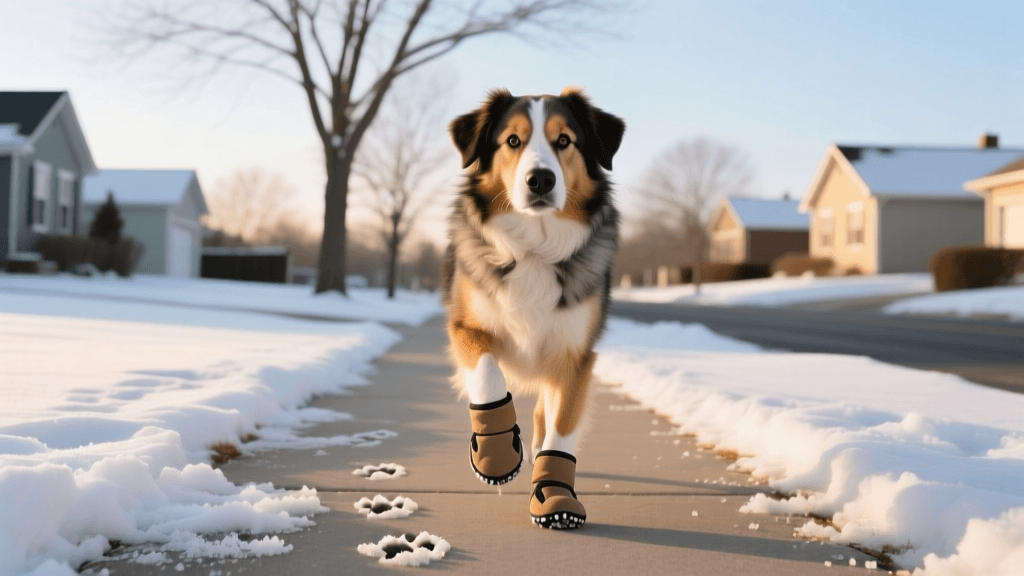
To prevent environmental heatstroke, adjust your walking schedule. Walk your dog before 8:00 AM or after 7:00 PM when the sun is low and surfaces have cooled. Before stepping onto asphalt or concrete, perform the 7-Second Pavement Test: place the back of your bare hand firmly against the pavement. If you cannot comfortably hold it there for a full 7 seconds, the surface is too hot for your dog's paw pads and can cause severe thermal burns. Opt for grass or dirt paths, or invest in protective dog booties like Ruffwear Grip Trex ($75 - $90) if midday walks are unavoidable.
Furthermore, ensure your dog has constant access to multiple shaded areas and fresh, cool water when spending time outdoors. Consider adding ice cubes to their water bowl or freezing low-sodium chicken broth in a Kong toy to provide a hydrating, mentally stimulating treat that helps lower their core temperature from the inside out. By understanding the signs of hyperthermia, maintaining a well-stocked emergency kit, and adhering to strict preventive protocols, you can ensure your dog remains safe, healthy, and happy even during the peak of summer.
beth-carrasco
All our authors care for dogs every day — read more of their work on the authors page.