Senior Dog Care: Nutrition and Joint Health Essentials
Discover essential senior dog care tips. Learn about age-appropriate nutrition, joint supplements, and cognitive support for your aging canine companion.
Embracing the Golden Years: A Comprehensive Senior Dog Care Guide
Watching your vibrant, energetic puppy transition into a distinguished, gray-muzzled senior is one of the most rewarding yet challenging journeys of dog ownership. According to the American Veterinary Medical Association (AVMA), senior dogs require specialized care that addresses their changing metabolic, physical, and cognitive needs. This life stage care guide focuses on the critical pillars of aging gracefully: targeted nutrition, proactive joint health management, and environmental adaptations.
Defining the Senior Life Stage
The threshold for senior status varies dramatically depending on your dog's breed and size. While a general rule of thumb suggests dogs enter their senior years around age seven, giant breeds may show signs of aging as early as five, whereas toy breeds might not be considered seniors until they are ten or older. Understanding your dog's specific life stage timeline is the first step in implementing proactive health measures.
| Dog Size Category | Weight Range | Senior Age Threshold | Common Age-Related Risks |
|---|---|---|---|
| Toy / Small | Under 20 lbs | 10 - 12 Years | Dental disease, luxating patellas, tracheal collapse |
| Medium | 21 - 50 lbs | 8 - 10 Years | Obesity, hypothyroidism, early-onset osteoarthritis |
| Large | 51 - 90 lbs | 7 - 9 Years | Hip dysplasia, osteoarthritis, cardiac issues |
| Giant | Over 90 lbs | 5 - 7 Years | Severe joint degradation, bloat, bone cancers |
Nutritional Adjustments for the Aging Canine
As metabolism slows and activity levels decrease, your dog's dietary requirements shift. The American Kennel Club (AKC) emphasizes that senior dog nutrition is not a one-size-fits-all approach; it must be tailored to the individual's body condition score (BCS) and underlying health conditions.
Caloric Intake and Macronutrients
Many senior dogs experience a decrease in lean muscle mass and an increase in body fat, even if their overall weight remains stable. To combat sarcopenia (muscle loss), senior diets should contain highly digestible, high-quality proteins. Unless your dog has compromised kidney function, restricting protein is an outdated practice. Aim for diets containing 25% to 30% protein on a dry matter basis.
Conversely, if your senior dog is becoming sedentary, their caloric needs may drop by 10% to 20%. Transitioning to a senior-formulated kibble or carefully measuring their current adult food is crucial. Use a standard 8-ounce measuring cup or, better yet, a digital kitchen scale to ensure you are feeding the exact gram requirement recommended by your veterinarian.
Essential Senior Supplements
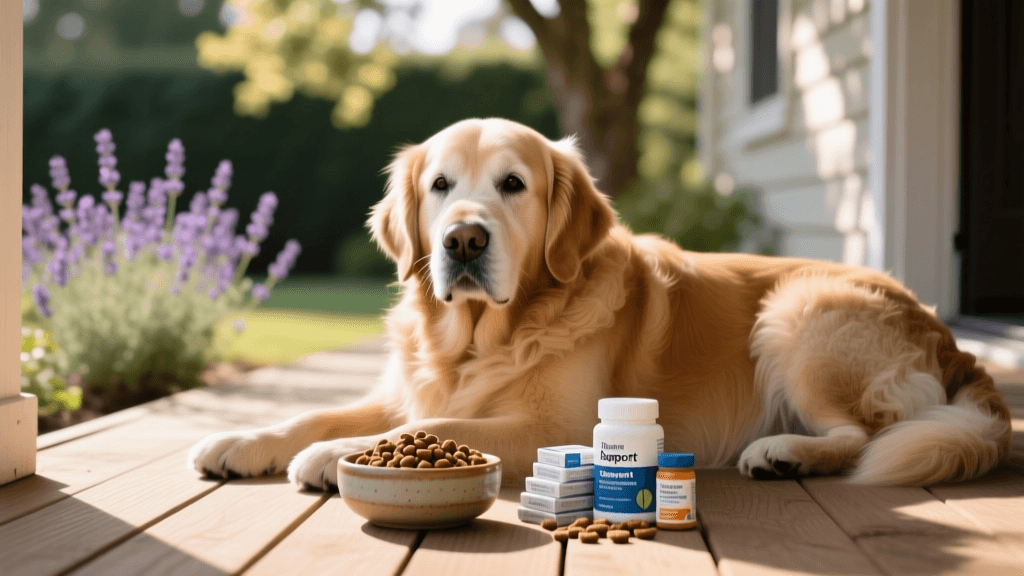
While a balanced diet is foundational, targeted supplementation can bridge the gap in age-related deficiencies. Always consult your veterinarian before introducing new supplements to avoid interactions with prescribed medications.
- Omega-3 Fatty Acids (EPA/DHA): Crucial for reducing systemic inflammation and supporting cognitive function. Target dosage: 50-100 mg of combined EPA/DHA per kilogram of body weight daily.
- Probiotics: Aging digestive systems often struggle with nutrient absorption. A multi-strain probiotic providing at least 5 billion CFUs can support gut health and immune function.
- Antioxidants (Vitamins E and C): Help neutralize free radicals that contribute to cellular aging and cognitive decline.
Joint Health and Mobility Management
Osteoarthritis (OA) is the most common chronic disease in senior dogs, affecting up to 80% of dogs over the age of eight. Proactive joint management should begin before visible signs of lameness appear.
Comparing Joint Support Supplements
When selecting a joint supplement, look for products that have undergone independent testing for purity and potency. Here is a comparison of the most effective joint-supporting compounds:
| Active Ingredient | Primary Function | Typical Monthly Cost | Time to See Results |
|---|---|---|---|
| Glucosamine HCl | Stimulates cartilage repair and inhibits degradation enzymes. | $25 - $45 | 4 - 6 Weeks |
| Chondroitin Sulfate | Retains water in cartilage, providing shock absorption. | $30 - $50 | 4 - 8 Weeks |
| Green-Lipped Mussel | Natural source of ETA (eicosatetraenoic acid) for severe inflammation. | $35 - $60 | 2 - 4 Weeks |
| Undenatured Type II Collagen | Modulates the immune system to prevent it from attacking joint cartilage. | $40 - $70 | 4 - 6 Weeks |
Physical Therapy and Low-Impact Exercise
Movement is medicine. While high-impact activities like fetching frisbees or agility jumping should be phased out, low-impact exercises are vital for maintaining joint lubrication and muscle tone. Hydrotherapy (swimming or underwater treadmills) is the gold standard for senior joint care, as the buoyancy of water removes stress from the joints while providing resistance. If hydrotherapy is inaccessible, aim for two 15-minute leash walks on flat, even terrain daily, rather than one long, exhausting hike.
Cognitive Health: Keeping the Mind Sharp
Physical health is only half the equation. Canine Cognitive Dysfunction (CCD), often compared to Alzheimer's disease in humans, affects a significant portion of the geriatric dog population. The ASPCA notes that recognizing the early signs of CCD is vital for slowing its progression.
Recognizing the DISHA Signs
Veterinarians use the acronym DISHA to identify cognitive decline:
- Disorientation: Wandering aimlessly, getting stuck in corners, or staring at walls.
- Interaction Changes: Clinginess, irritability, or withdrawal from family members.
- Sleep-Wake Cycle Changes: Pacing or vocalizing at night, sleeping excessively during the day.
- House Soiling: Forgetting house-training rules or lacking the physical awareness to signal the need to go outside.
- Activity Changes: Decreased interest in exploration, play, or previously enjoyed routines.
Cognitive Enrichment Strategies
Neuroplasticity remains possible in senior dogs. Keep their brains engaged through scent work, puzzle feeders, and short, positive-reinforcement training sessions. Snuffle mats, which cost between $15 and $30, are excellent tools for encouraging natural foraging behaviors and providing mental stimulation without requiring strenuous physical exertion.
Environmental Modifications for Comfort
Adapting your home environment can drastically improve your senior dog's quality of life and prevent secondary injuries from slips and falls.
- Orthopedic Bedding: Invest in a high-density memory foam bed (minimum 4 inches thick) to relieve pressure on arthritic joints. Expect to spend $100 to $250 for a high-quality, supportive bed.
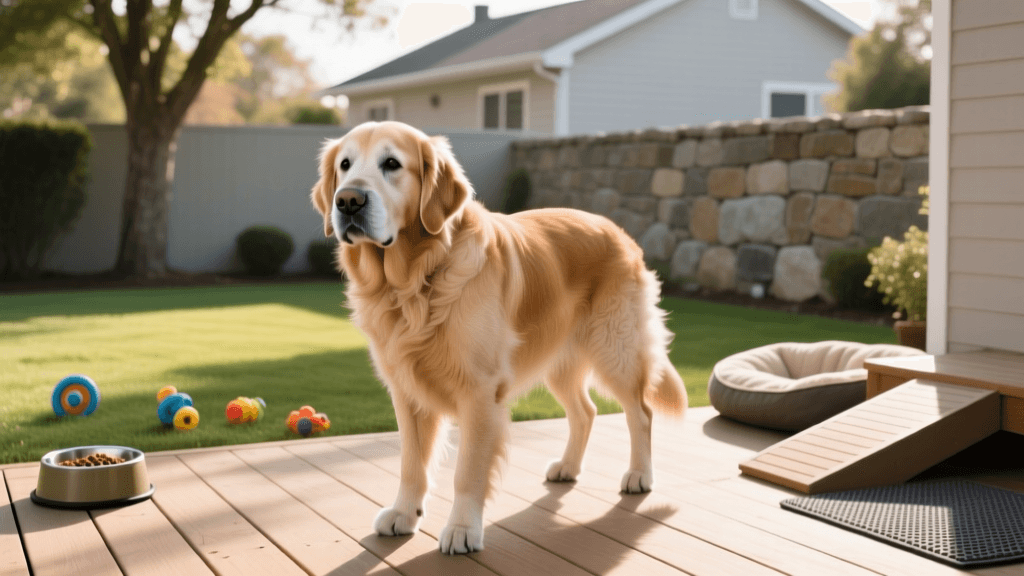
- Traction Solutions: Hardwood and tile floors are hazardous for weak hind legs. Apply non-slip paw grips or lay down interlocking foam mats and low-pile runners in high-traffic areas.
- Ramps and Stairs: Never allow a senior dog to jump on or off furniture. Use a sturdy, adjustable ramp with a high-traction surface for vehicle entry and sofa access.
- Elevated Bowls: Raising food and water bowls by 4 to 8 inches reduces neck strain and aids in digestion, particularly for large breeds prone to cervical issues.
Veterinary Tip: Do not wait for your dog to show obvious signs of pain to schedule a senior wellness exam. Dogs are stoic by nature and will hide discomfort until it becomes severe. Biannual comprehensive blood panels and urinalysis are the best ways to catch metabolic diseases like chronic kidney disease or diabetes in their manageable, early stages.
Creating an Actionable Daily Routine
Consistency provides comfort to aging dogs, especially those experiencing mild cognitive decline. Here is a sample daily schedule optimized for a senior dog's wellbeing:
- 7:00 AM - Morning Wake-Up: Gentle full-body stretching massage to loosen stiff joints. Offer a small portion of warm water mixed with breakfast kibble to encourage hydration.
- 8:00 AM - First Walk: 15-minute sniffari on a flat, grassy surface. Allow the dog to set the pace and sniff extensively for mental enrichment.
- 12:00 PM - Midday Enrichment: Serve lunch inside a frozen Kong or snuffle mat. Provide 2 hours of undisturbed rest on their orthopedic bed.
- 4:00 PM - Afternoon Mobility: Second 15-minute walk. Follow with joint supplements and Omega-3 fish oil mixed into a small, healthy treat.
- 8:00 PM - Evening Wind Down: Dim the lights to support circadian rhythms. Offer a calming chew containing L-theanine or chamomile if the dog suffers from nighttime anxiety.
Final Thoughts on Senior Life Stage Care
Caring for a senior dog requires a shift from reactive treatment to proactive management. By adjusting their nutritional profile, investing in high-quality joint support, modifying your home environment, and prioritizing cognitive enrichment, you can ensure your dog's golden years are truly golden. Always partner closely with your veterinary team to tailor these guidelines to your dog's unique medical history, ensuring they remain comfortable, happy, and deeply loved throughout their entire life journey.
beth-carrasco
All our authors care for dogs every day — read more of their work on the authors page.