Dog Joint Pain & Arthritis: Top Google Questions Answered
Discover answers to Google's most-asked questions about dog joint pain and arthritis. Learn symptoms, best supplements, costs, and vet-approved care tips.
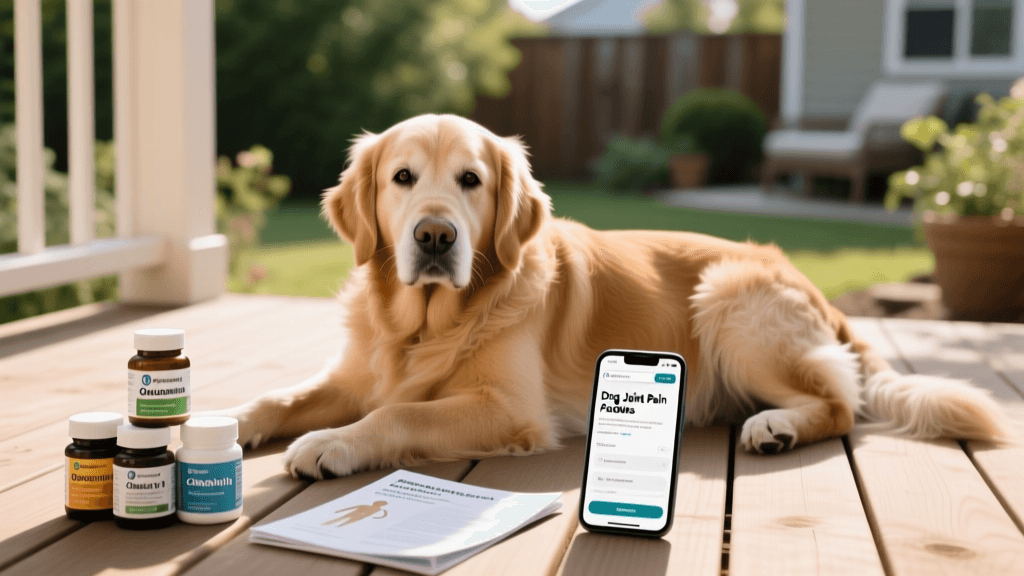
If you have ever typed "why is my dog limping" or "dog joint pain remedies" into a search engine late at night, you are not alone. Joint pain and osteoarthritis are among the most common health issues affecting canines, particularly as they age. In fact, the American Kennel Club (AKC) notes that osteoarthritis affects up to 25% of all dogs. To help you navigate the overwhelming sea of search results, we have compiled and answered Google's most-asked questions about dog joint pain, complete with actionable advice, product recommendations, and cost breakdowns.
1. How Do I Know If My Dog Has Joint Pain?
Dogs are evolutionary masters at hiding pain, a trait inherited from their wild ancestors who needed to mask weakness. By the time your dog is visibly limping, the joint degeneration may be advanced. Instead of obvious crying or whining, look for these subtle, often-missed signs of joint discomfort:
- Reluctance to move: Hesitating before jumping into the car, climbing stairs, or getting onto the couch.
- Changes in grooming: A sudden lack of grooming, or over-grooming a specific joint area due to localized pain.
- Altered posture: A "hunched" back or shifting weight away from the affected limb.
- Behavioral shifts: Increased irritability, lip-licking, panting when at rest, or withdrawing from family interaction.
- Post-rest stiffness: Moving slowly or stiffly when first waking up, which improves slightly after a few minutes of walking (the "warm-up" effect).
2. What Are the Best Joint Supplements for Dogs?
The pet supplement market is flooded with joint chews and powders, but not all ingredients are created equal. When selecting a supplement, look for clinically backed ingredients like Glucosamine Hydrochloride, Chondroitin Sulfate, Omega-3 Fatty Acids (specifically EPA and DHA), and UC-II Collagen. Below is a comparison chart of the most effective joint-support ingredients, top-rated product examples, and what you can expect regarding costs and timelines.
| Active Ingredient | Top Product Example | Average Monthly Cost | Time to See Results |
|---|---|---|---|
| Glucosamine & Chondroitin | Nutri-Vet Senior Hip & Joint | $20 - $30 | 4 - 6 weeks |
| UC-II Undenatured Collagen | Dasuquin Advanced with ESM | $45 - $65 | 3 - 4 weeks |
| Omega-3 (EPA/DHA) | Nordic Naturals Omega-3 Pet | $25 - $40 | 6 - 8 weeks |
| Green Lipped Mussel | Super Snouts Joint Super Powder | $30 - $50 | 4 - 6 weeks |
Pro Tip: For Omega-3 fish oils, the therapeutic dosage for joint inflammation is generally between 75 to 100 mg/kg of combined EPA and DHA daily. Always check the label for the exact EPA/DHA concentration, not just the "total fish oil" volume.
3. Can I Give My Dog Human Painkillers Like Ibuprofen?
This is consistently one of the most searched—and most dangerous—questions on the internet. The short answer is an absolute NO. You should never give your dog human NSAIDs (Non-Steroidal Anti-Inflammatory Drugs) like ibuprofen (Advil/Motrin), naproxen (Aleve), or acetaminophen (Tylenol).
According to the ASPCA Animal Poison Control Center, human pain medications are highly toxic to dogs. A dog's liver lacks the specific enzymes required to metabolize these drugs safely. Even a single standard dose of ibuprofen can cause severe gastrointestinal ulceration, acute kidney failure, and potentially death. Similarly, the U.S. Food and Drug Administration (FDA) explicitly warns against using human medications for pets.
Instead, your veterinarian can prescribe canine-specific NSAIDs such as Carprofen (Rimadyl), Meloxicam (Metacam), or Galliprant. These medications are specifically formulated for canine metabolism and are highly effective at reducing joint inflammation. A monthly prescription for canine NSAIDs typically costs between $30 and $80, depending on your dog's weight and the specific medication.
4. How Much Does Veterinary Arthritis Treatment Cost?
Managing canine arthritis is a long-term commitment, and understanding the financial aspect is crucial for pet parents. Here is a breakdown of the average costs associated with diagnosing and treating joint pain:
- Initial Veterinary Exam & X-Rays: $150 - $350. This includes the physical orthopedic exam and radiographs to assess the severity of bone spurs and joint space narrowing.
- Bloodwork (Pre-NSAID Screening): $80 - $150. Vets require baseline kidney and liver panels before prescribing daily NSAIDs to ensure the organs can handle the medication.
- Monthly Prescription NSAIDs: $30 - $80.
- Monthly Joint Supplements: $25 - $60.
- Advanced Therapies (Optional): Adequan injections (polysulfated glycosaminoglycan) cost about $40-$60 per shot, usually administered twice a week for four weeks. Laser therapy sessions range from $30 to $75 per visit.
Budgeting roughly $75 to $150 per month for maintenance medications and supplements will keep the majority of arthritic dogs comfortable and mobile.
5. What Home Modifications and Exercises Actually Help?
Pill and supplement regimens are only half the battle. Modifying your home environment and adjusting your exercise routine are critical, zero-cost (or low-cost) ways to improve your dog's quality of life.
Home Modifications
- Orthopedic Dog Beds: Invest in a high-density memory foam bed (brands like Big Barker or K9 Ballistics, costing $100-$300). Avoid cheap polyester-fill beds that flatten out and offer zero joint support.
- Ramps and Stairs: Use pet ramps ($40-$100) for SUVs and high beds to eliminate the high-impact shock of jumping. Cover slippery hardwood or tile floors with interlocking foam mats or non-slip area rugs to prevent splaying and hip strains.
- Raised Food Bowls: Elevating bowls by 4 to 8 inches (depending on the dog's height) prevents painful neck and shoulder extension during meals.
Safe Exercises for Arthritic Dogs
Exercise remains vital to maintain muscle mass, which acts as a scaffold supporting the damaged joints. However, the type of exercise must change.
- Ditch the Fetch: High-impact activities like chasing tennis balls or catching frisbees involve sudden, explosive stops and turns that tear at compromised cartilage.
- Embrace the Sniffari: Replace intense cardio with 15 to 20-minute slow, leash-guided walks. Allow your dog to sniff extensively; mental stimulation tires them out just as effectively as physical running.
- Hydrotherapy: If available in your area, canine hydrotherapy (swimming or underwater treadmills) is the gold standard. The buoyancy of the water supports the dog's weight, allowing them to build muscle with zero impact on the joints. Sessions typically cost $50-$90 each.
Final Thoughts
While a diagnosis of osteoarthritis or joint dysplasia can feel overwhelming, modern veterinary medicine offers a multitude of ways to keep your dog happy, active, and pain-free. By combining veterinary-prescribed medications, high-quality joint supplements, and thoughtful home modifications, you can ensure your senior dog enjoys their golden years with comfort and dignity. Always consult your primary veterinarian before starting any new supplement or medication regimen.
jonas-cole
All our authors care for dogs every day — read more of their work on the authors page.