Budget-Friendly Dog Dental Care: Prevent Costly Vet Bills
Discover budget-friendly dog dental care tips to prevent costly vet bills. Learn about affordable toothbrushes, DIY alternatives, and daily routines.
The Hidden Costs of Neglecting Your Dog's Dental Health
When managing the costs of dog ownership, pet parents often look for ways to trim the budget on food, grooming, and toys. However, one area where cutting corners can lead to devastating financial and health consequences is canine dental care. According to the American Veterinary Medical Association (AVMA), over 80% of dogs show signs of periodontal disease by the time they are three years old. Left untreated, this bacteria can enter the bloodstream, leading to severe heart, liver, and kidney issues.
Professional veterinary dental cleanings under anesthesia typically range from $400 to $1,200, depending on your location and the clinic. If your dog requires tooth extractions due to advanced decay, that bill can easily skyrocket past $2,500. Implementing a budget-friendly, proactive dental care routine at home is not just about saving money; it is about extending your dog's lifespan and ensuring their daily comfort.
Cost Comparison: Preventive Care vs. Reactive Treatment
| Care Type | Average Annual Cost | Outcome |
|---|---|---|
| At-Home Preventive Routine | $40 - $80 | Healthy gums, fresh breath, retained teeth |
| Routine Vet Cleaning (No Extractions) | $400 - $800 | Tartar removal, early disease detection |
| Advanced Disease Treatment (Extractions) | $1,500 - $3,000+ | Pain relief, but loss of teeth and high stress |
Essential Budget-Friendly Dental Tools
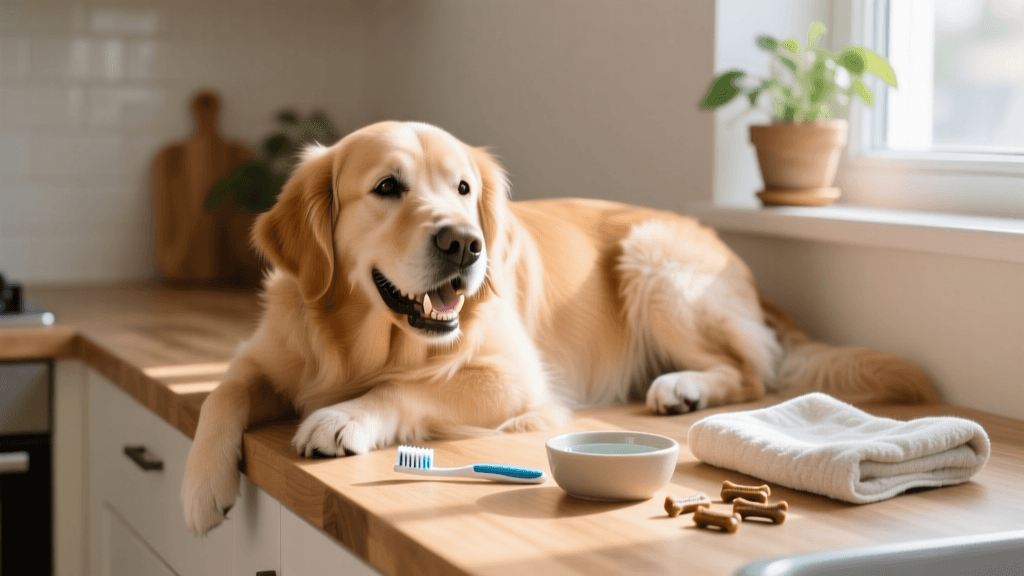
You do not need expensive, high-tech gadgets to maintain your dog's oral hygiene. A few basic, affordable tools are all you need to build a robust defense against plaque and tartar.
1. The Right Toothbrush ($4 - $8)
Skip the expensive electric pet toothbrushes. A standard dual-headed dog toothbrush or a pack of silicone finger brushes is highly effective. Finger brushes are excellent for small dogs or puppies, while dual-headed brushes allow you to clean the inner and outer surfaces of larger dogs' teeth simultaneously. A $5 brush, replaced every three months, costs less than $20 a year.
2. Enzymatic Dog Toothpaste ($8 - $12)
Never use human toothpaste, as ingredients like fluoride and xylitol are highly toxic to dogs. Invest in a Veterinary Oral Health Council (VOHC) accepted enzymatic toothpaste, such as Virbac C.E.T. or Petrodex. These pastes contain enzymes that continue to break down plaque even after you finish brushing. A single $10 tube typically lasts two to three months for a medium-sized dog, making the monthly cost roughly $3.00.
Building a Daily Brushing Routine (Zero Extra Cost)
Consistency is the ultimate money-saver. Brushing your dog's teeth daily takes less than two minutes and prevents the need for expensive veterinary interventions. The American Kennel Club (AKC) recommends a gradual desensitization process to ensure your dog tolerates the routine without stress.
- Week 1: Taste Testing. Put a pea-sized amount of enzymatic toothpaste on your finger and let your dog lick it off. Do this daily so they associate the taste with a treat.
- Week 2: Gum Massage. Rub the toothpaste along your dog's gums and outer teeth using your bare finger. Praise them heavily and offer a low-calorie treat afterward.
- Week 3: Introduce the Brush. Apply the paste to the finger brush or dual-headed brush. Lift the upper lip gently and brush in small, circular motions at a 45-degree angle to the gumline.
- Week 4 and Beyond: Full Routine. Aim to brush the outer surfaces of all teeth. The inner surfaces are naturally cleaned by the dog's tongue, so focus your energy on the outer cheek-facing teeth where tartar accumulates fastest.
Affordable Dental Chews and Natural Alternatives
While brushing is the gold standard, dental chews can supplement your routine by providing mechanical abrasion that scrapes away soft plaque. However, premium commercial dental chews can cost upwards of $40 a month. Here is how to balance efficacy and budget.
Commercial vs. Natural Dental Chews
| Chew Type | Examples | Est. Monthly Cost | Pros & Cons |
|---|---|---|---|
| VOHC-Approved Commercial | Greenies, Oravet, Purina DentaLife | $25 - $45 | Proven efficacy, but high in calories and expensive. |
| Natural Whole Foods | Raw carrots, apple slices (no seeds) | $3 - $8 | Extremely cheap, low calorie, but less abrasive on heavy tartar. |
| Single-Ingredient Bully Sticks | Beef pizzle, yak cheese chews | $15 - $30 | Long-lasting and highly digestible, but requires supervision to prevent choking. |
Budget Tip: Use baby carrots or frozen chunks of low-sodium chicken broth as daily, low-cost alternatives to expensive commercial treats. Reserve the VOHC-approved chews for a few times a week rather than daily to stretch your budget.
DIY Dental Wipes and Breath Fresheners
If your dog absolutely refuses a toothbrush, or if you are traveling and forgot your gear, DIY dental wipes are a fantastic, budget-friendly workaround.
Coconut Oil and Parsley Dental Paste
Coconut oil contains lauric acid, which has natural antibacterial properties that can help fight the bacteria causing bad breath and gum disease. Fresh parsley acts as a natural breath freshener.
- Mix 2 tablespoons of unrefined, cold-pressed coconut oil with 1 tablespoon of finely chopped fresh parsley.
- Optional: Add a tiny pinch of dog-safe probiotic powder to promote healthy oral flora.
- Store the mixture in a small glass jar in the refrigerator so it maintains a firm, paste-like consistency.
- Wrap a piece of sterile gauze (which costs pennies per roll at any pharmacy) around your index finger, dip it into the paste, and gently wipe the outer surfaces of your dog's teeth.
Dental Water Additives
For dogs that are highly resistant to any oral handling, water additives like TropiClean or Oxyfresh are excellent budget-friendly secondary defenses. A $15 bottle of concentrated water additive lasts roughly 60 to 90 days, costing less than $0.20 per day. Simply measure one capful into your dog's daily drinking water to alter the pH of their mouth, making it harder for plaque to adhere to the enamel.
Smart Strategies for Professional Vet Cleanings
Even with the best at-home budget routine, most dogs will eventually need a professional scaling and polishing under anesthesia. When that time comes, you can still manage the financial impact.
- Wellness Plans vs. Pet Insurance: Traditional pet insurance rarely covers routine dental cleanings. Instead, look into veterinary clinic 'Wellness Add-ons' (often $20-$30/month) which bundle annual exams, vaccines, and one annual dental cleaning into a predictable monthly fee.
- Seek Out Veterinary Teaching Hospitals: If you live near a university with a veterinary medicine program, their teaching hospitals often offer comprehensive dental procedures at a 20% to 30% discount compared to private specialty practices.
- Watch for Dental Health Months: Many veterinary clinics offer 10% to 20% discounts on dental cleanings during February, which is National Pet Dental Health Month. Schedule your dog's procedure during this window to save significantly.
Conclusion
Budget-friendly dog dental care is entirely achievable when you prioritize consistency over expensive products. By investing a few dollars in a basic toothbrush and enzymatic paste, utilizing low-cost natural chews like carrots, and taking advantage of wellness plans for annual vet visits, you can protect your dog's smile and your wallet. Remember, the most expensive dental care is the care you delay; the most affordable care is the daily two-minute brushing session you do at home.
hannah-wickes
All our authors care for dogs every day — read more of their work on the authors page.