DIY Dog Bone Broth: Homemade Recipes for Joint and Gut Health
Learn how to make DIY dog bone broth at home. Discover recipes, health benefits for joints and digestion, and safe ingredients for your canine companion.
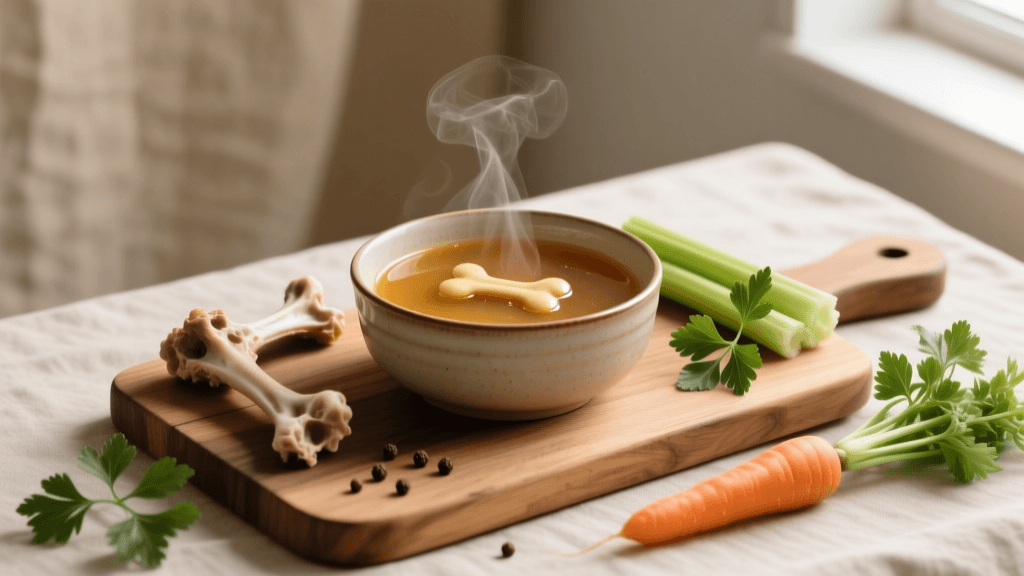
As dog owners, we are constantly seeking ways to improve our pets' longevity, mobility, and overall vitality. While the commercial pet supplement market is flooded with expensive powders, pills, and chews, one of the most powerful superfoods for canine health can be made right in your own kitchen. DIY dog bone broth is a nutrient-dense, hydrating, and deeply healing elixir that has been used for centuries to support joint health, soothe digestive tracts, and boost the immune system. In this comprehensive guide, we will explore the science behind bone broth, outline crucial safety rules, and provide a step-by-step slow cooker recipe to help you craft the perfect batch for your furry friend.
The Science Behind Bone Broth for Dogs
Before diving into the recipe, it is essential to understand why bone broth is considered a canine superfood. When bones, cartilage, and connective tissues are simmered slowly over an extended period, they break down and release a treasure trove of bioavailable nutrients into the water. According to the American Kennel Club (AKC), bone broth is rich in collagen, glucosamine, chondroitin, and hyaluronic acid—all of which are critical for maintaining healthy joints and preventing the degradation of cartilage in senior or active dogs.
Furthermore, bone broth is packed with vital amino acids, particularly glycine and proline. Glycine is known to support liver function and aid in the detoxification process, while proline is essential for cellular health and tissue repair. The gelatin extracted from the bones acts as a soothing coating for the gastrointestinal tract, making it an excellent dietary addition for dogs suffering from leaky gut syndrome, food sensitivities, or chronic diarrhea. Additionally, the rich umami flavor makes it an incredible appetite stimulant for picky eaters or dogs recovering from illness.
Crucial Safety Rules: What to Include and What to Avoid
While making bone broth is relatively simple, certain human ingredients commonly found in traditional culinary broths are highly toxic to dogs. You must exercise strict control over your ingredient list.
Ingredients to Strictly Avoid
- Alliums (Onions, Garlic, Leeks, Chives): These ingredients contain N-propyl disulfide, which causes oxidative damage to canine red blood cells, leading to hemolytic anemia. The ASPCA Animal Poison Control strictly advises against feeding any form of alliums to dogs, whether raw, cooked, or powdered.
- Salt and Seasonings: Dogs have a much lower sodium tolerance than humans. Excess salt can lead to sodium ion poisoning. Never add salt, pepper, or commercial bouillon cubes to your dog's broth.
- Grapes and Raisins: Even in small amounts, these can cause acute kidney failure in dogs.
Safe Additions
- Apple Cider Vinegar (ACV): Adding a splash of raw, unfiltered ACV (with the 'mother') helps lower the pH of the water, which aids in leaching calcium, magnesium, and other essential minerals from the bones.
- Dog-Safe Vegetables: Carrots, celery, sweet potatoes, and pumpkin are excellent, nutrient-rich additions that provide beta-carotene and soluble fiber.
- Turmeric and Ginger: A small pinch of turmeric (paired with a tiny dash of black pepper for absorption) and fresh ginger can provide powerful anti-inflammatory and anti-nausea benefits.
A Warning on Leftover Bones
It is vital to note that while simmering bones for broth is safe, the U.S. Food and Drug Administration (FDA) and veterinary professionals universally warn against giving cooked bones to dogs to chew. The boiling process makes bones brittle, meaning they can easily splinter, causing choking hazards or severe internal punctures. Always strain the broth and discard or compost the spent bones immediately.
DIY Dog Bone Broth Recipe: Slow Cooker Method
This recipe utilizes a slow cooker, which is the safest and most energy-efficient method for the long simmering times required to extract maximum collagen.
Ingredients and Equipment
- 3 lbs of raw or roasted beef knuckle bones, marrow bones, OR 2 lbs of chicken feet, turkey necks, and backs (Chicken feet are the ultimate secret for a highly gelatinous broth).
- 2 tablespoons of raw apple cider vinegar.
- 1 cup of chopped dog-safe vegetables (e.g., 2 carrots, 2 stalks of celery, 1/2 cup of diced sweet potato).
- 1 gallon of filtered water.
- A 6-quart or larger slow cooker.
- A fine-mesh strainer or cheesecloth.
Step-by-Step Instructions
- Prep the Bones: Place the bones into the slow cooker. If using beef bones, you can optionally roast them in the oven at 400°F for 30 minutes prior to slow cooking to enhance the flavor, though this is not strictly necessary.
- Add Acid and Water: Pour the filtered water over the bones until they are fully submerged, leaving about two inches of space at the top of the cooker. Add the apple cider vinegar and let the mixture sit at room temperature for 30 minutes. This resting period allows the acid to begin breaking down the bone matrix.
- The Long Simmer: Turn the slow cooker to the LOW setting. Cover and cook for 24 hours if using poultry bones, or up to 48 hours if using dense beef bones. The longer the simmer, the more collagen and minerals will be extracted.
- Add Vegetables: During the final 3 to 4 hours of cooking, add your chopped dog-safe vegetables, turmeric, or ginger. Adding them too early will cause them to break down completely and lose some of their nutritional integrity.
- Strain and Cool: Carefully pour the broth through a fine-mesh strainer into a large bowl or heat-safe pitcher. Ensure all bone fragments are caught and discarded. Allow the broth to cool to room temperature, then transfer it to the refrigerator.
- Skim the Fat: After chilling for 12 to 24 hours, a solid layer of white fat (tallow) will form on the surface. Scoop this fat off and discard it or save it for making homemade dog treats. Removing the fat is crucial, as excessive dietary fat can trigger pancreatitis in dogs.
Homemade vs. Store-Bought: A Cost and Quality Comparison
Many pet owners wonder if the time investment of DIY broth is worth it compared to buying cartons at the pet store. The following table highlights the distinct advantages of the homemade approach.
| Feature | Homemade DIY Broth | Commercial Store-Bought Broth |
|---|---|---|
| Cost per 32oz | $3.00 - $6.00 (often less if sourcing from local butchers) | $12.00 - $22.00 |
| Sodium Content | Naturally Low (Unsalted) | Often High (Used for preservation and taste) |
| Additives | None (100% Ingredient Control) | May contain yeast extracts, gums, or natural flavors |
| Collagen Density | High (Gels firmly when refrigerated) | Low to Moderate (Often remains liquid when cold) |
| Prep Time | 15 mins active, 24-48 hrs passive simmering | Zero (Ready to pour and serve) |
Serving Guidelines and Storage Hacks
Because bone broth is rich and nutrient-dense, it should be introduced to your dog's diet gradually to avoid gastrointestinal upset. Start with a small spoonful and work your way up to the recommended daily serving sizes based on your dog's weight:
- Toy & Small Breeds (Under 20 lbs): 1 to 2 ounces daily.
- Medium Breeds (20 to 50 lbs): 2 to 4 ounces daily.
- Large & Giant Breeds (50+ lbs): 4 to 8 ounces daily.
Storage Hacks: Homemade bone broth will last up to 5 days in the refrigerator. For long-term storage, pour the cooled, fat-skimmed broth into silicone ice cube trays or specialized silicone pet treat molds. Once frozen solid, pop the cubes out and store them in a freezer-safe silicone bag. A standard ice cube is roughly 1 ounce, making it incredibly easy to portion out the exact daily dose for your dog. You can drop a frozen cube directly over their kibble to thaw, or melt it slightly in the microwave for a warm, aromatic meal topper.
Troubleshooting: The 'Gel' Test
The hallmark of a successfully extracted, high-collagen bone broth is its ability to transform into a jiggly, gelatin-like consistency when refrigerated. If your broth remains completely liquid after 24 hours in the fridge, do not panic—it is still safe and contains minerals and amino acids. However, it means the collagen extraction was suboptimal.
How to fix it next time:
- Adjust the Water Ratio: The most common mistake is adding too much water. The bones should be just barely covered, not swimming in excess liquid.
- Incorporate Connective Tissue: Marrow bones are great for flavor, but they lack the connective tissue required for gelling. Always mix in joints, knuckles, or poultry feet, which are loaded with the cartilage needed to create that signature gel.
- Extend the Cook Time: Dense beef bones sometimes require the full 48 hours to fully break down. Ensure your slow cooker is maintaining a steady, low heat throughout the entire process.
By taking the time to craft DIY dog bone broth, you are providing your canine companion with a holistic, whole-food supplement that supports their joints, gut, and overall wellbeing. It is a labor of love that yields immense health rewards, proving that sometimes the best veterinary care begins right in your own kitchen.
hannah-wickes
All our authors care for dogs every day — read more of their work on the authors page.