Essential Winter Paw Care and Cold Safety for Dogs
Protect your dog this winter with our expert guide on paw care, hypothermia prevention, and safe cold-weather exercise routines.
The Hidden Dangers of Winter Walks
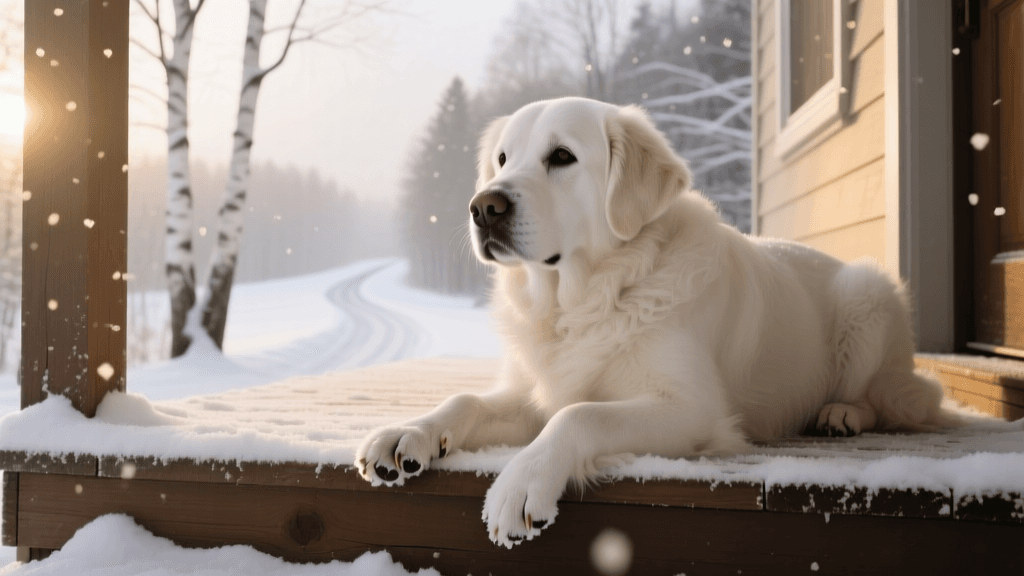
Winter transforms the landscape into a beautiful wonderland, but it also introduces a host of environmental hazards for our canine companions. While many dogs love romping in the snow, the combination of freezing temperatures, harsh winds, and chemical de-icers can turn a pleasant walk into a veterinary emergency. According to the American Society for the Prevention of Cruelty to Animals (ASPCA), cold weather pet safety requires proactive measures to prevent frostbite, hypothermia, and toxic ingestions.
One of the most pervasive threats is the use of chemical ice melts on sidewalks and driveways. Most commercial de-icers contain sodium chloride (rock salt), calcium chloride, or magnesium chloride. When your dog walks across these treated surfaces, the chemicals can cause severe contact dermatitis, drying out and cracking their paw pads. Worse still, dogs naturally lick their paws after a walk, ingesting these toxic compounds. Ingestion of rock salt can lead to vomiting, diarrhea, excessive drooling, and in severe cases, sodium ion poisoning, which causes tremors and seizures.
Another lethal winter hazard is antifreeze (ethylene glycol). Even a small puddle in a driveway can be fatal. Ethylene glycol has a sweet taste that attracts dogs, but it causes rapid and irreversible kidney failure. Always clean up any automotive spills immediately and opt for pet-safe, propylene glycol-based antifreeze if you must winterize your vehicle.
Step-by-Step Winter Paw Care Routine
Protecting your dog's paws is the cornerstone of winter wellness. You have two primary options for paw protection: paw balms and dog booties. The choice depends on your dog's tolerance, the severity of the weather, and the terrain.
Option 1: Paw Balms and Waxes
For mild winter days or dogs that absolutely refuse to wear shoes, a high-quality paw wax is essential. Products like Musher's Secret Pet Paw Protection Wax (typically costing around $15 to $20 for a 2oz tin) create a semi-permeable shield on the pads. This barrier prevents snow from packing between the toes and stops salt from directly contacting the skin.
- Application: Apply a generous layer of the wax before heading outside, massaging it into the pads and the fur between the toes.
- Reapplication: For long hikes, reapply every 45 to 60 minutes.
- Post-Walk: Wipe the paws with a warm, damp cloth to remove any residual salt or wax, then apply a moisturizing pad cream to prevent cracking.
Option 2: Protective Dog Booties
For deep snow, extreme cold, or heavily salted urban environments, booties are the gold standard. The Ruffwear Polar Trex Dog Boots (approximately $90 for a set of four) offer excellent insulation and feature a Vibram outsole for superior traction on ice. For a budget-friendly, disposable option, Pawz Rubber Dog Boots (around $15 for a 12-pack) provide a waterproof barrier against chemicals, though they offer minimal thermal insulation.
- Fitting: Measure the widest part of your dog's paw while they are bearing weight. A boot that is too tight will restrict circulation, while one that is too loose will twist and cause friction blisters.
- Acclimation: Introduce boots indoors. Put them on for five minutes while playing a game or offering high-value treats like freeze-dried liver, gradually increasing the duration over a week.
Temperature Thresholds and Hypothermia Risk
Dogs do not experience cold uniformly. A dog's cold tolerance is dictated by their coat type, body fat percentage, age, and overall health. The American Kennel Club (AKC) notes that while Northern breeds like Siberian Huskies and Alaskan Malamutes thrive in sub-zero temperatures, short-coated breeds like Greyhounds, Chihuahuas, and Boxers can become dangerously cold in temperatures as mild as 45°F (7°C).
Senior dogs and those with osteoarthritis are particularly vulnerable, as cold weather exacerbates joint stiffness and reduces their ability to regulate body temperature. Below is a general guide to help you assess the risk level based on ambient temperature. Keep in mind that wind chill and dampness significantly accelerate heat loss.
| Temperature Range (°F) | Risk Level | Recommended Action for Average Dogs |
|---|---|---|
| 45°F to 32°F | Low to Moderate | Monitor cold-sensitive breeds. Limit outdoor time to 30-45 minutes. |
| 32°F to 20°F | Moderate to High | Use coats for short-haired dogs. Protect paws. Limit walks to 15-20 minutes. |
| 20°F to 10°F | High | Outdoor bathroom breaks only for small/senior dogs. Heavy coats and boots required. |
| Below 10°F | Extreme | Keep all dogs indoors except for brief, supervised bathroom breaks. |
Vet Tip: Shivering is the first obvious sign of hypothermia, but it is not the only one. Watch for lethargy, weakness, pale or gray gums, and shallow breathing. If you suspect hypothermia, wrap your dog in a warm blanket and seek emergency veterinary care immediately. Do not use direct heat like heating pads, as this can cause burns or dangerous drops in blood pressure.
Adjusting Nutrition and Joint Care in Winter
Winter often brings a change in activity levels, which necessitates a dietary adjustment. Dogs that spend most of their time indoors and take shorter walks may require a 10% to 20% reduction in daily caloric intake to prevent unhealthy winter weight gain. Excess weight puts additional stress on joints, which are already prone to stiffness in the cold.
Conversely, working dogs or those that participate in rigorous winter sports like skijoring may need a caloric increase to fuel their internal furnaces. Always assess your dog's Body Condition Score (BCS) monthly.
For senior dogs or breeds predisposed to dysplasia, winter is the time to be aggressive with joint support. Consult your veterinarian about starting or increasing a glucosamine and chondroitin supplement, such as Dasuquin Advanced or Cosequin DS. Additionally, incorporating Omega-3 fatty acids (like Nordic Naturals Omega-3 Pet) into their diet can significantly reduce joint inflammation and improve coat health, which is often compromised by dry indoor heating.
Indoor Enrichment for Freezing Days
When the temperature plummets and outdoor exercise is unsafe, mental stimulation becomes just as important as physical exertion. The American Veterinary Medical Association (AVMA) emphasizes that keeping pets mentally engaged indoors prevents destructive behaviors born from boredom and pent-up energy.
- Snuffle Mats and Foraging: Hide your dog's daily kibble ration inside a snuffle mat or scatter it around the living room. This mimics natural foraging behaviors and tires them out mentally.
- Frozen KONG Toys: Stuff a classic KONG rubber toy with a mixture of plain pumpkin puree, low-sodium chicken broth, and a spoonful of xylitol-free peanut butter. Freeze it overnight for a long-lasting, soothing treat that also helps clean their teeth.
- Indoor Agility and Training: Use household items to create a mini agility course. Teach your dog to weave through dining chairs, jump over a broomstick, or practice new tricks like spin and roll over using positive reinforcement.
Conclusion
Winter care requires a delicate balance of protection, preparation, and adaptation. By investing in proper paw gear, monitoring temperature thresholds, and adjusting their diet and enrichment routines, you can ensure your dog remains healthy, happy, and safe throughout the freezing months. Remember, if it is too cold for you to stand outside in your winter coat, it is likely too cold for your dog's paws.
aaron-whyte
All our authors care for dogs every day — read more of their work on the authors page.