Separation Anxiety in Dogs: Expert Behavioral Analysis
Learn expert behavioral techniques to treat canine separation anxiety. Discover desensitization protocols, product costs, and actionable training steps.
The Neurobiology and Behavioral Etiology of Canine Separation Anxiety
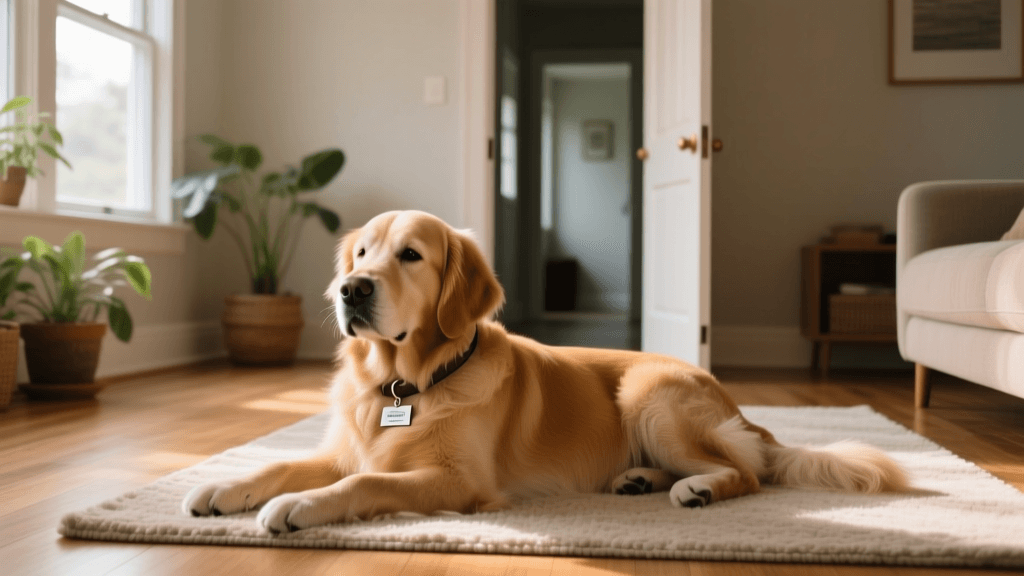
Canine separation anxiety is not merely a manifestation of 'bad behavior' or a lack of obedience; it is a profound panic disorder rooted in the dog's neurobiology. From an expert behavioral analysis perspective, we must understand that a dog experiencing separation anxiety is undergoing a genuine fight-or-flight response triggered by the absence of their primary attachment figure. The amygdala, the brain's fear center, becomes hyperactive, flooding the dog's system with cortisol and adrenaline. This physiological state makes it impossible for the dog to learn or respond to traditional obedience commands. Therefore, treating separation anxiety requires a shift away from dominance-based training or punishment, moving instead toward systematic desensitization and counterconditioning.
According to the American Society for the Prevention of Cruelty to Animals (ASPCA), separation anxiety affects an estimated 14% to 20% of the companion dog population. The behavior is maintained through classical conditioning, where the owner's departure cues (e.g., picking up keys, putting on shoes) become conditioned stimuli that predict the aversive event of being left alone. To dismantle this association, a certified behaviorist employs a rigorous, data-driven protocol.
Differential Diagnosis: Separation Anxiety vs. Under-Stimulation
Before initiating a behavioral modification protocol, it is critical to differentiate true separation anxiety from boredom, under-stimulation, or incomplete housetraining. Punishing a dog for destructive behavior caused by boredom will not resolve the issue and may exacerbate underlying stress. Conversely, treating a bored dog with anti-anxiety medication is an inappropriate use of psychopharmacology. The table below outlines the primary behavioral distinctions observed during functional assessments.
| Behavioral Metric | True Separation Anxiety | Boredom / Under-Stimulation |
|---|---|---|
| Onset of Destructive Behavior | Within 15–30 minutes of owner's departure; focused on exit points (doors, window frames). | Variable onset; directed at high-value items (shoes, trash, remote controls) regardless of owner's presence. |
| Vocalization Patterns | Continuous whining, howling, or barking immediately upon departure, often recorded via camera for hours. | Intermittent barking, usually triggered by external environmental stimuli (e.g., mail carrier, other dogs). |
| Elimination Indoors | Urination/defecation occurs only when left alone, despite being fully housetrained in the owner's presence. | Accidents may occur when the owner is home but distracted, or due to lack of a consistent outdoor schedule. |
| Pacing and Panting | Frantic, repetitive pacing and excessive drooling/panting captured on video monitors before departure. | Resting, sleeping, or seeking out interactive toys when the owner is absent. |
The Expert Behavioral Modification Protocol
Effective treatment relies on two concurrent processes: desensitization (reducing the emotional response to the trigger) and counterconditioning (pairing the trigger with a positive outcome). This protocol requires meticulous record-keeping and patience. Rushing the timeline will result in spontaneous recovery of the panic response.
Phase 1: Departure Cue Desensitization
Dogs with separation anxiety begin to experience elevated heart rates long before the owner actually leaves the house. The sound of a zipper, the jingling of keys, or the application of perfume are all predictive triggers. Phase 1 involves stripping these triggers of their predictive value.
- Action: Perform 15 to 20 randomized departure cues per day without actually leaving the house.
- Examples: Pick up your keys, then sit back down on the couch. Put on your coat, then take it off and make a cup of tea. Open the front door, then close it and walk into the kitchen.
- Timing: Continue this phase for 2 to 4 weeks, or until the dog exhibits zero physiological signs of stress (panting, pacing, lip licking) when these cues are presented.
Phase 2: Systematic Desensitization to Absences
Once the dog is desensitized to pre-departure cues, you must address the actual absence. This requires the use of a high-definition pet camera to monitor the dog's stress thresholds in real-time. The golden rule of behavioral modification is to never push the dog past their threshold. If the dog panics at 5 minutes, your maximum training absence is 3 minutes.
Follow this graduated absence schedule, ensuring the dog remains relaxed at each step before increasing the duration. Progress is non-linear; expect to take steps backward if the dog has a stressful day.
- Week 1: 1 second, 3 seconds, 5 seconds, 10 seconds, 15 seconds, 30 seconds. (Repeat each duration 5 times).
- Week 2: 1 minute, 2 minutes, 3 minutes, 5 minutes. (Introduce a high-value food puzzle, like a frozen Kong Classic, right before stepping out).
- Week 3: 10 minutes, 15 minutes, 20 minutes, 30 minutes.
- Week 4+: 45 minutes, 1 hour, 2 hours, eventually building up to a full workday.
Recommended Tools, Products, and Associated Costs
Implementing a clinical behavior modification plan requires specific environmental management tools. Below is a breakdown of the most effective products recommended by veterinary behaviorists, including estimated costs and specific usage parameters.
- Furbo 360 Dog Camera ($170 - $210): Essential for remote monitoring. You must observe the dog's body language (e.g., pinned ears, whale eye, excessive yawning) to determine their exact stress threshold. The treat-tossing feature can also be used for remote counterconditioning.
- Kong Classic Rubber Toy (Large: $18 - $22): Used exclusively for counterconditioning. Fill the Kong with a high-value paste (e.g., Kong Stuff'n or plain pumpkin puree mixed with low-sodium chicken broth) and freeze it for 4 hours. This provides a 20- to 30-minute licking activity, which releases endorphins and naturally soothes the canine nervous system.
- Adaptil Calm Home Diffuser ($25 - $30 for starter kit; $18 for refills): This plug-in diffuser releases a synthetic analogue of the dog-appeasing pheromone (DAP). While not a standalone cure, clinical studies show it can lower baseline anxiety levels, making the dog more receptive to behavioral training. One refill covers up to 700 square feet and lasts 30 days.
- Calming Music (Cost: Free via Spotify/YouTube): Research published in applied animal behavior science indicates that classical music, specifically tracks designed with a tempo of 50-60 beats per minute (such as the 'Through a Dog's Ear' series), significantly reduces cortisol levels in kenneled and home-alone dogs.
The Role of Psychopharmacology in Severe Cases
It is a common misconception among pet owners that medication should be a last resort. From an expert behavior analysis standpoint, psychopharmacology is often a necessary first-line intervention for severe separation anxiety. When a dog's panic response is so acute that they injure themselves (e.g., breaking teeth on window frames, lacerating paws on door thresholds), behavioral modification alone is insufficient because the dog's brain is too flooded with stress hormones to form new, positive neural pathways.
In these instances, a board-certified veterinary behaviorist may prescribe Selective Serotonin Reuptake Inhibitors (SSRIs) such as Fluoxetine (brand name Reconcile) or Tricyclic Antidepressants (TCAs) like Clomipramine (brand name Clomicalm). These medications do not sedate the dog; rather, they normalize serotonin levels in the brain, reducing the intensity of the panic response. This pharmacological support lowers the dog's anxiety threshold enough to allow the systematic desensitization protocol to take root. According to resources provided by Fear Free Pets, combining medication with a structured behavioral modification plan yields a significantly higher success rate than either treatment modality used in isolation.
Conclusion: Patience and Data-Driven Consistency
Treating canine separation anxiety is a marathon, not a sprint. As a pet owner, it is vital to approach this challenge with empathy, recognizing that your dog's destructive behaviors are symptoms of profound psychological distress, not acts of spite or disobedience. By utilizing departure cue desensitization, adhering to a strict graduated absence schedule, leveraging environmental management tools like the Furbo camera and frozen food puzzles, and consulting with a veterinarian regarding psychopharmacology when necessary, you can systematically rewire your dog's emotional response to being alone. Consistency in data tracking and patience in execution will ultimately restore peace to your household and, most importantly, improve your dog's overall welfare and quality of life.
For further reading on evidence-based behavioral modification, consult the guidelines published by the American Kennel Club (AKC), which emphasizes the necessity of humane, science-based interventions for all canine anxiety disorders.
robin-maitland
All our authors care for dogs every day — read more of their work on the authors page.