How Diet Shapes Dog Behavior: The Canine Gut-Brain Axis
Discover how the canine gut-brain axis influences anxiety and behavior. Learn which nutrients, probiotics, and diets support a calmer, happier dog.
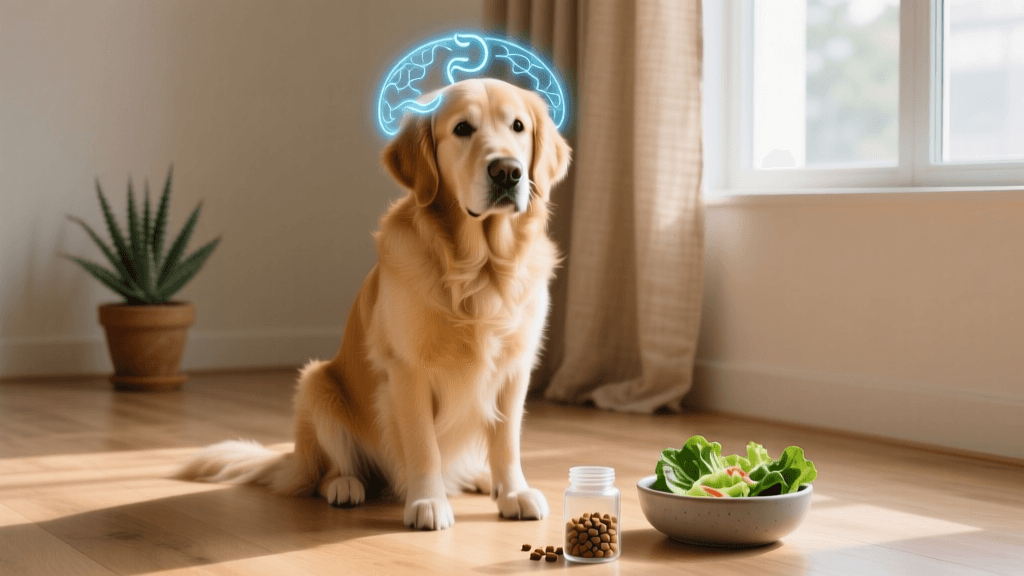
The Hidden Link Between Your Dog's Bowl and Their Brain
When a dog exhibits signs of anxiety, hyperactivity, or unexplained reactivity, the immediate instinct for most pet parents is to look toward training, environment, or socialization. While these are critical components of canine psychology, there is a deeply biological factor that is frequently overlooked: nutrition. The emerging field of veterinary neurogastroenterology has revealed that a dog's behavior is not just a product of their mind, but a direct reflection of their gut. Understanding the 'gut-brain axis' is one of the most profound ways to decode your dog's behavior, emotional state, and overall psychological well-being.
The Science: How the Microbiome Controls Mood
The gut-brain axis is a bidirectional communication network that links the enteric nervous system (the gut) with the central nervous system (the brain). In dogs, the gastrointestinal tract houses trillions of microorganisms, collectively known as the microbiome. These microbes are responsible for producing a vast array of neurochemicals that the brain uses to regulate mood and behavior.
Remarkably, approximately 90% of a dog's serotonin—the primary neurotransmitter responsible for feelings of happiness and calm—is synthesized in the gut, not the brain. When a dog experiences 'dysbiosis' (an imbalance of good and bad gut bacteria), this serotonin production is disrupted. This biological disruption often manifests as behavioral symptoms: generalized anxiety, noise phobias, separation distress, and even leash reactivity. According to veterinary nutrition experts at Tufts University Cummings Veterinary Medical Center, the composition of a dog's gut flora can be directly altered by dietary interventions, subsequently shifting their behavioral baseline.
Reading Physical Cues of Nutritional Stress
Before adjusting your dog's diet, it is essential to understand how nutritional stress communicates itself through canine body language. Dogs cannot tell us they feel sluggish or anxious from a poor diet, but they do show us. Look for the following behavioral and physical cues that often indicate a gut-brain disconnect:
- Excessive Paw Licking and Chewing: Often mistaken purely for environmental allergies, chronic paw licking can be a self-soothing behavior triggered by gut inflammation and systemic discomfort.
- Restlessness and Inability to Settle: If your dog paces at night or cannot maintain a 'down-stay' despite adequate physical exercise, they may be experiencing blood sugar spikes and crashes driven by high-glycemic carbohydrates.
- Coprophagia (Stool Eating):strong> While a deeply unpleasant habit, eating feces can sometimes signal a severe lack of enzymatic activity or beneficial bacteria in the gut, driving the dog to seek out missing microbes.
- Hyper-Vigilance: A dog that is constantly scanning the room, panting lightly while resting, and has a tightly closed mouth may be suffering from chronic low-grade gut inflammation, which elevates cortisol levels.
Nutritional Deficiencies Linked to Behavioral Issues
To truly understand your dog's psychology, you must evaluate the building blocks of their brain chemistry. Several key nutrients are vital for maintaining a balanced temperament. A deficiency in any of these can mimic behavioral disorders:
1. Omega-3 Fatty Acids (EPA and DHA)
DHA (docosahexaenoic acid) is crucial for cognitive function and neurological development. Studies have shown that dogs with lower levels of Omega-3s are more prone to aggression and fear-based reactivity. EPA (eicosapentaenoic acid) reduces neuro-inflammation, which is increasingly linked to canine cognitive dysfunction and anxiety.
2. B-Complex Vitamins
B-vitamins, particularly B6 (Pyridoxine) and B12 (Cobalamin), are essential co-factors in the synthesis of neurotransmitters like dopamine and GABA. GABA is the brain's primary inhibitory neurotransmitter; it essentially acts as the brain's 'brake pedal.' A dog lacking sufficient B-vitamins may struggle to 'turn off' their arousal state after a stressful event.
3. Tryptophan
Tryptophan is an essential amino acid and the direct precursor to serotonin. Diets excessively high in certain competing amino acids but low in tryptophan can result in a depressed or anxious mood state.
Actionable Diet Adjustments for Anxious Dogs
If you suspect your dog's behavior is tied to their nutrition, here are specific, actionable steps you can take. Always consult your veterinarian before introducing new supplements, especially if your dog is on behavioral medications like fluoxetine or trazodone.
Targeted Probiotic Therapy
Not all probiotics are created equal when it comes to behavior. The specific strain Bifidobacterium longum BL999 has been clinically shown to reduce anxious behaviors in dogs. Products like Purina Pro Plan Veterinary Diets Calming Care utilize this exact strain.
Dosage: One sachet daily sprinkled over food.
Cost: Approximately $35 to $45 for a 30-day supply.
Timing: It takes 4 to 6 weeks of daily administration to see noticeable behavioral shifts, as the microbiome requires time to colonize and alter neurochemical output. The American Kennel Club (AKC) notes that consistency is key when introducing probiotics to a dog's daily routine.
Omega-3 Supplementation
For dogs exhibiting hyperactivity or reactivity, supplementing with high-quality fish oil can provide the EPA and DHA necessary to soothe neuro-inflammation. Brands like Nordic Naturals Omega-3 Pet offer triglyceride-form oils that are highly bioavailable.
Dosage: Aim for 50-75 mg of combined EPA/DHA per kilogram of your dog's body weight daily.
Cost: $20 to $30 per bottle, lasting 1-2 months depending on dog size.
L-Theanine for Acute Stress
L-Theanine is an amino acid found in green tea leaves that promotes alpha-brain waves, associated with a state of 'wakeful relaxation.' It is highly effective for situational anxiety (thunderstorms, car rides, vet visits). Products like Zesty Paws Advanced Calming Bites contain L-Theanine alongside chamomile and ginger.
Dosage: 200mg for dogs under 25 lbs; 400mg for dogs over 25 lbs, administered 45 minutes before the stressor.
Comparison Chart: Calming Nutrients and Behavioral Effects
| Nutrient / Supplement | Primary Mechanism of Action | Target Behavioral Issue | Time to See Results |
|---|---|---|---|
| B. longum BL999 | Modulates gut-brain signaling via the vagus nerve | Generalized anxiety, pacing, chronic stress | 4 to 6 weeks |
| EPA / DHA (Omega-3) | Reduces neuro-inflammation and supports cell membranes | Reactivity, aggression, cognitive decline | 6 to 8 weeks |
| L-Theanine | Increases GABA and alpha-brain wave activity | Situational fear, noise phobias, travel anxiety | 45 to 60 minutes |
| Tryptophan | Serves as a direct precursor to serotonin synthesis | Depression, lethargy, mild separation distress | 2 to 4 weeks |
Foods and Ingredients to Avoid
Understanding what to remove from your dog's diet is just as important as knowing what to add. Certain ingredients can actively sabotage your dog's emotional regulation:
- High-Glycemic Carbohydrates: Diets heavy in corn syrup, white rice, or excessive fillers cause rapid spikes and crashes in blood glucose. A blood sugar crash triggers the release of adrenaline and cortisol, leading to irritability and hyperactivity.
- Artificial Food Dyes: Synthetic dyes like Red 40, Yellow 5, and Yellow 6 have been linked to hyperactive behaviors and hypersensitivity in both humans and canines. The ASPCA recommends avoiding foods with artificial colors and opting for naturally preserved, whole-food diets.
- Low-Quality Protein Sources: Rendered meats and unidentified 'meat meals' can be difficult to digest, leading to chronic gut inflammation and subsequent behavioral lethargy or irritability.
Real-World Implementation: Transitioning Your Dog's Diet
If you decide to switch your dog to a gut-friendly, behavior-supporting diet, a sudden change will cause gastrointestinal upset, which will only worsen their stress levels. Follow this strict 10-day transition schedule to allow the microbiome to adapt:
- Days 1-3: 75% old diet, 25% new diet. Monitor stool consistency.
- Days 4-6: 50% old diet, 50% new diet. Introduce a canine-specific probiotic to support the transition.
- Days 7-9: 25% old diet, 75% new diet. Begin adding your chosen Omega-3 supplement.
- Day 10: 100% new diet. Continue to monitor your dog's body language, energy levels, and ability to settle.
Conclusion
Understanding your dog requires looking beyond the surface of their actions and examining the biological engines that drive them. The gut-brain axis proves that behavior is not merely a matter of discipline or training; it is deeply rooted in biochemistry and nutrition. By addressing nutritional deficiencies, introducing targeted probiotics, and eliminating inflammatory ingredients, you can fundamentally alter your dog's psychological state. A calm, balanced dog starts from the inside out, and the food bowl is the most powerful tool you have to shape their mind.
marcus-aldridge
All our authors care for dogs every day — read more of their work on the authors page.