Dog Dental Care Myths Debunked: Facts for Healthy Teeth
Discover the truth behind common dog dental care myths. Learn actionable facts, brushing routines, and product tips to keep your dog's teeth healthy.
The Hidden Epidemic: Why Dog Dental Health Matters
When it comes to canine health and wellbeing, dental care is often the most neglected aspect of a dog's routine. According to the VCA Animal Hospitals, over 80% of dogs show signs of periodontal disease by the age of three. Left untreated, the bacteria from infected gums can enter the bloodstream, potentially causing severe damage to the heart, liver, and kidneys. Despite these alarming statistics, the internet is flooded with well-meaning but dangerously inaccurate advice regarding canine oral hygiene. As a responsible dog owner, it is crucial to separate fiction from science. Let's debunk the most pervasive dog dental care myths and replace them with actionable, veterinary-backed facts.
Myth 1: Dogs Don't Need Their Teeth Brushed
The Myth:
"Wild dogs don't brush their teeth, so my domestic dog doesn't need it either."
The Fact:
Wild canids have vastly different diets and lifespans compared to modern domestic dogs. They consume raw meat, cartilage, and bone, which naturally scrape away plaque. Furthermore, wild dogs often do not live long enough to suffer the long-term, painful consequences of advanced periodontal disease. Modern dogs eat highly processed, carbohydrate-rich diets that cling to the enamel, creating a breeding ground for bacteria.
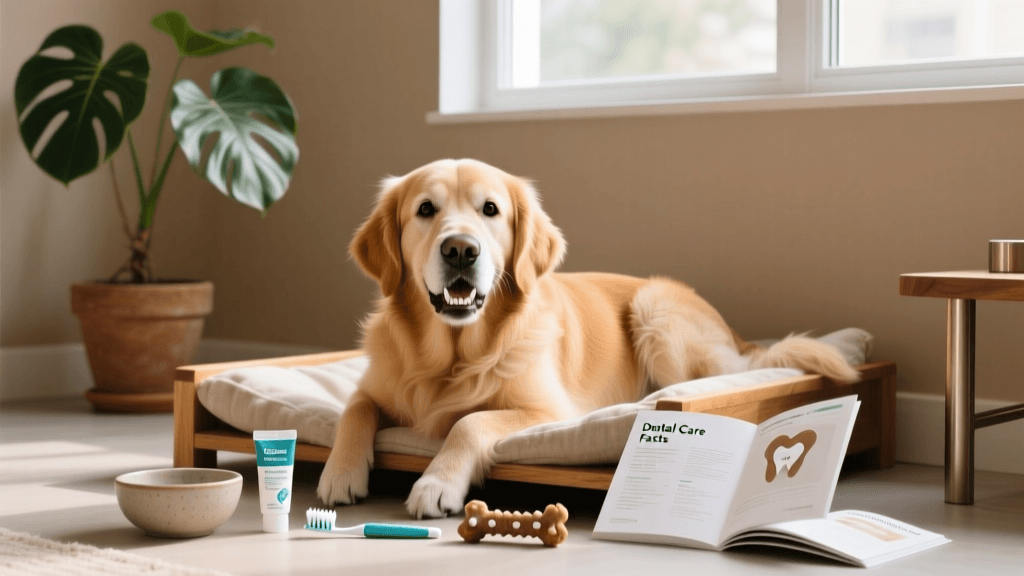
Actionable Advice: Daily brushing is the gold standard. You must use a dog-specific enzymatic toothpaste, such as Virbac C.E.T. Poultry Flavor Toothpaste (approx. $12 for a 3.5 oz tube). Human toothpaste contains xylitol and fluoride, both of which are highly toxic to dogs. Apply a pea-sized amount to a dual-headed dog toothbrush or a silicone finger brush. The enzymatic action requires physical contact with the teeth for at least 30 seconds per side to effectively break down the plaque biofilm.
Myth 2: Feeding Dry Kibble Cleans a Dog's Teeth
The Myth:
"The crunchy texture of dry kibble acts like a toothbrush, scraping plaque away as the dog chews."
The Fact:
Standard dry kibble shatters almost immediately upon contact with a dog's teeth. Because dogs rarely chew their food thoroughly—often swallowing kibble whole or breaking it with a single snap of their molars—the abrasive action required to clean the enamel is virtually non-existent. Unless you are feeding a prescription dental diet specifically formulated with a larger, fibrous kibble matrix (like Hill's Prescription Diet t/d), standard kibble does not clean teeth.
Dental Care Method Comparison Chart
| Method | Efficacy | Estimated Monthly Cost | Daily Effort |
|---|---|---|---|
| Daily Brushing (Enzymatic) | Excellent (Gold Standard) | $3 - $5 | 2-3 minutes |
| Standard Dry Kibble | Very Poor | Varies (Base Diet) | None |
| VOHC-Approved Dental Chews | Good (Supplemental) | $25 - $40 | Supervised chewing |
| Water Additives | Fair (Breath freshener) | $10 - $15 | 5 seconds |
Note: Always look for the Veterinary Oral Health Council (VOHC) seal of acceptance on dental chews, such as Purina Pro Plan Dental Chewz or Greenies, to ensure the product has been clinically proven to reduce plaque and tartar.
Myth 3: Bad Breath is Just Normal 'Doggy Breath'
The Myth:
"All dogs have foul-smelling breath; it's just a natural part of owning a pet."
The Fact:
While a dog's breath might not smell like mint, severely foul, putrid, or metallic-smelling breath (halitosis) is a primary clinical indicator of active periodontal disease. The odor is caused by volatile sulfur compounds produced by anaerobic bacteria thriving below the gumline. If your dog's breath clears a room, it is not a quirk; it is a symptom of infection.
Warning Signs to Monitor:
- Pawing at the mouth or face
- Dropping food while eating or chewing on one side
- Red, swollen, or bleeding gums (gingivitis)
- Excessive drooling, sometimes tinged with blood
- Reluctance to play with hard chew toys
If you notice any of these signs, schedule a veterinary oral exam immediately. Early-stage gingivitis is reversible with a professional cleaning, but advanced periodontitis involving bone loss is irreversible.
Myth 4: Anesthesia-Free Dental Cleanings are Safer
The Myth:
"Putting an older or sick dog under anesthesia is too risky. Anesthesia-free cleanings at the groomer are a safer, stress-free alternative."
The Fact:
The American Animal Hospital Association (AAHA) strongly warns against anesthesia-free dental cleanings. Periodontal disease occurs below the gumline, not just on the visible crown of the tooth. Scraping the visible enamel without addressing the subgingival pockets provides a false sense of security while the disease progresses unseen.
Furthermore, awake dogs cannot hold still for the use of sharp scaling instruments, risking lacerations to the gums or eyes. Proper veterinary dentistry requires general anesthesia to place an endotracheal tube, which protects the dog's airway from inhaling water, plaque, and bacteria during the ultrasonic scaling process. Modern veterinary anesthesia, accompanied by pre-anesthetic bloodwork and dedicated monitoring, is exceptionally safe, even for senior dogs.
Cost Reality Check: A professional veterinary dental cleaning under anesthesia typically costs between $500 and $1,200, depending on your region and whether extractions are necessary. While this seems steep, treating advanced systemic diseases caused by neglected dental care (such as kidney failure or endocarditis) can easily exceed $5,000 in emergency veterinary bills.
Your Action Plan: The 14-Day Brushing Desensitization Protocol
If you have an adult dog that has never had their teeth brushed, forcing a toothbrush into their mouth will result in stress, fear, and potential bites. Use this 14-day protocol to build a positive association.
Phase 1: Taste and Touch (Days 1-5)
Place a dab of Virbac C.E.T. or Petrodex enzymatic toothpaste (malt or poultry flavor) on your finger. Let your dog lick it off as a treat. Do not attempt to touch their teeth. Once they eagerly anticipate the flavor, gently lift their lip and rub the paste along their gums with your bare finger for 5 seconds. Praise heavily and offer a high-value reward like a small piece of boiled chicken.
Phase 2: Tool Introduction (Days 6-10)
Introduce a soft-bristled dog toothbrush or a Petosan Silent Power toothbrush (approx. $25), which uses sonic vibrations rather than loud, scary mechanical spinning. Let them lick the paste off the bristles. Gently touch the brush to their front canine teeth for just 2-3 seconds. The goal is tolerance, not a full clean.
Phase 3: The Full Routine (Days 11-14 and Beyond)
Begin brushing the outer surfaces of the teeth using small, circular motions, focusing heavily on the upper premolars and canines where tartar accumulates fastest. Aim for 30 seconds per side. You do not need to aggressively brush the inner surfaces facing the tongue, as the dog's rough tongue and saliva naturally keep those surfaces relatively clean. According to the American Veterinary Medical Association (AVMA), consistency is far more important than perfection. Brushing three to four times a week will drastically reduce your dog's risk of painful dental disease.
Conclusion
Debunking these common myths is the first step toward safeguarding your dog's overall health and wellbeing. By abandoning the false security of dry kibble and anesthesia-free cleanings, and instead committing to a daily enzymatic brushing routine and annual veterinary exams, you can add years of pain-free eating and comfortable living to your dog's life. Invest the time and a few dollars into preventive dental care today, and your dog will reward you with a lifetime of healthy, happy smiles.
robin-maitland
All our authors care for dogs every day — read more of their work on the authors page.