Winter Dog Paw Care and Cold Weather Joint Health Guide
Protect your dog's paws and joints this winter. Discover essential cold-weather care tips, top paw balms, and safe activities for senior dogs.
The Hidden Dangers of Winter Walks
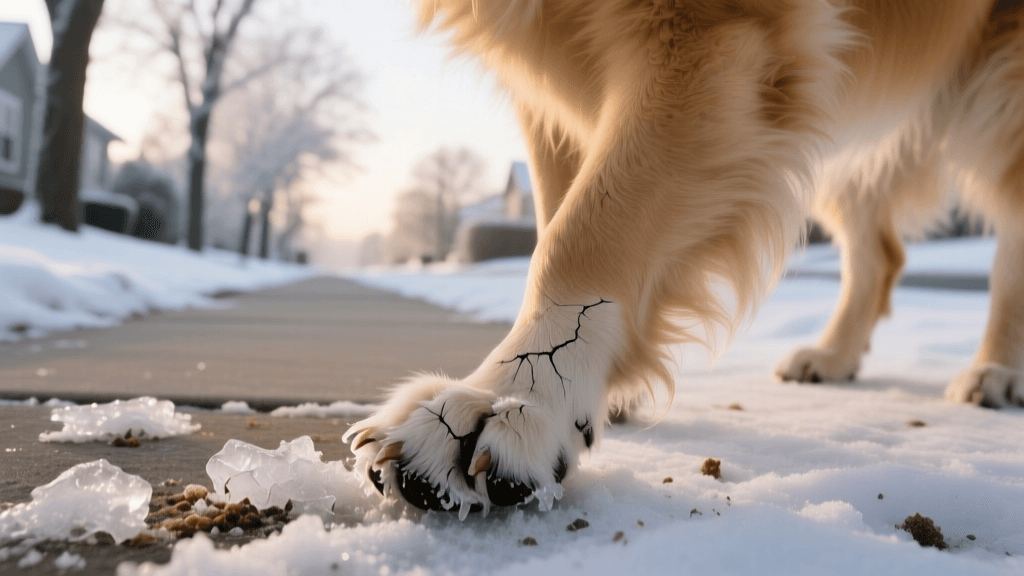
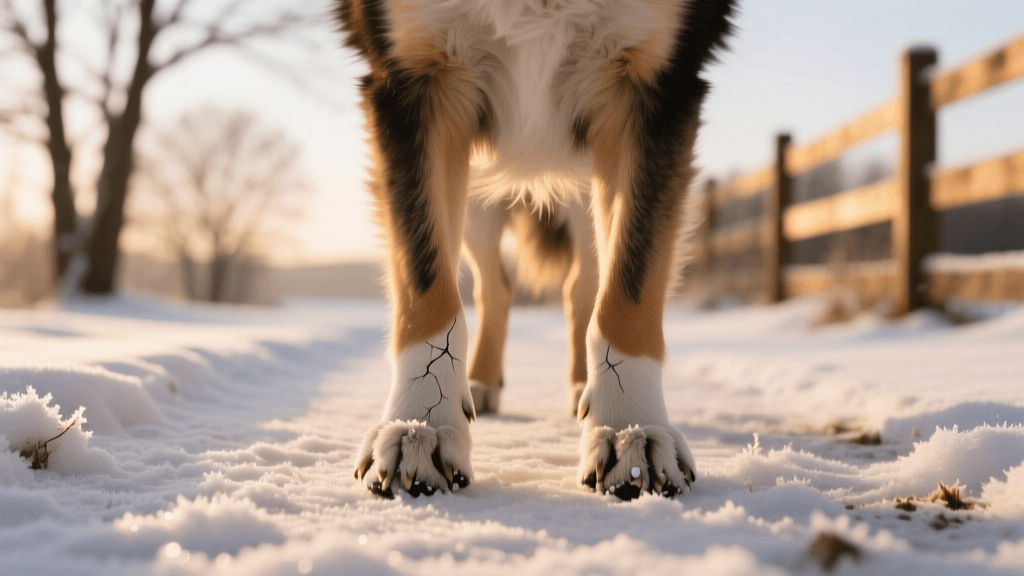
Winter brings picturesque snowscapes and crisp air, but it also introduces severe environmental hazards for our canine companions. While many dog owners eagerly anticipate winter hikes and snowy fetch sessions, the combination of freezing temperatures, ice shards, and chemical de-icers can wreak havoc on a dog's physical health. The pads of a dog's feet are remarkably resilient, featuring a thick stratum corneum and specialized fat tissue that resists freezing. However, they are not impervious to damage. Prolonged exposure to sub-zero surfaces can lead to frostbite, while the abrasive nature of frozen snow can cause micro-tears in the paw pads.
Furthermore, the chemicals used to melt ice on sidewalks and roads pose a dual threat. According to the ASPCA's Cold Weather Safety guidelines, common de-icing salts like sodium chloride and calcium chloride can cause severe chemical burns on a dog's paw pads. Worse yet, when dogs lick their paws to clean them after a walk, they ingest these toxic compounds, which can lead to gastrointestinal distress, excessive drooling, and even neurological symptoms in severe cases. Understanding these risks is the first step in implementing a robust seasonal care routine.
Essential Paw Protection Strategies
Protecting your dog's paws requires a proactive approach that begins before you even step outside. The American Kennel Club (AKC) recommends keeping the hair between your dog's toe pads trimmed short to prevent ice balls from forming, which can cause painful splaying and tearing of the skin.
For direct protection, owners generally choose between physical barriers (booties) and chemical barriers (paw waxes). Below is a comparison chart to help you select the best method for your dog's lifestyle and your local climate.
| Protection Method | Best For | Estimated Cost | Pros | Cons |
|---|---|---|---|---|
| Dog Booties (e.g., Ruffwear Grip Trex) | Deep snow, heavy salt areas, long hikes | $70 - $95 per set | Complete physical barrier against ice, salt, and sharp debris. | Requires acclimation; can slip off if not sized correctly. |
| Paw Wax (e.g., Musher's Secret) | Urban walks, light snow, dogs that hate shoes | $15 - $25 per tin | Soothes dry pads, provides a semi-permeable shield against salt. | Must be reapplied every 45-60 minutes; does not block extreme cold. |
| Post-Walk Wipes (e.g., Earthbath) | All dogs, immediately after indoor entry | $10 - $15 per pack | Instantly removes toxic salts and allergens before licking occurs. | Not a preventive measure; only for post-walk cleanup. |
Application Timing and Technique
If you opt for a paw wax like Musher's Secret, apply a generous layer 10 to 15 minutes before heading outdoors. This allows the wax to melt slightly and bond with the natural lipids of the paw pad. Upon returning inside, do not let your dog walk on your carpets or lick their paws. Keep a pack of pet-safe, unscented hypoallergenic wipes by the door. Wipe each paw thoroughly, paying special attention to the interdigital spaces (between the toes), within two minutes of crossing the threshold.
Managing Cold-Weather Joint Stiffness
Winter weather doesn't just affect the exterior of your dog; it profoundly impacts their musculoskeletal system. Cold temperatures cause a drop in barometric pressure and an increase in the viscosity of synovial fluid—the natural lubricant found in joints. For the estimated 20% of adult dogs suffering from osteoarthritis, as noted by the American College of Veterinary Surgeons (ACVS), this seasonal shift translates to increased stiffness, pain, and reluctance to move.
Nutritional Support and Supplements
To combat winter joint flare-ups, integrating targeted supplements into your dog's diet starting in late autumn is highly recommended. Look for veterinary-formulated joint supplements containing a synergistic blend of Glucosamine Hydrochloride, Chondroitin Sulfate, and Avocado/Soybean Unsaponifiables (ASU). Products like Nutramax Dasuquin or Cosequin typically cost between $40 and $65 for a two-month supply and are clinically proven to support cartilage matrix production.
Additionally, Omega-3 fatty acids, specifically EPA and DHA derived from wild-caught fish oil, act as powerful natural anti-inflammators. A daily dose of 1,000 mg of Omega-3s per 20 lbs of body weight can significantly reduce joint inflammation and improve mobility during the coldest months.
Environmental Modifications
Your home environment should also be optimized for joint health. Cold hardwood or tile floors can exacerbate joint pain and pose a slipping hazard for dogs with weakened hind legs. Invest in orthopedic memory foam beds or heated pet mats, such as the PetSafe CozyUp Heated Pet Bed (approx. $45), which provides gentle, thermostatically controlled warmth to soothe aching muscles and joints overnight.
Safe Winter Activities and Exercise Limits
Exercise remains vital during winter to maintain muscle mass, which in turn supports compromised joints. However, the duration and intensity of outdoor activities must be adjusted based on the ambient temperature and wind chill. Below is a structured temperature guide to help you plan safe winter activities.
- Above 32°F (0°C): Safe for most dogs. Normal walk durations (30–60 minutes) are acceptable. Engage in active games like fetch or flirt-pole sessions.
- 20°F to 32°F (-6°C to 0°C): Limit outdoor exposure to 20–30 minutes. Small breeds, short-haired breeds, and senior dogs should wear insulated winter coats. Stick to brisk walking rather than high-impact running.
- Below 20°F (-6°C): Restrict outdoor bathroom breaks to 10 minutes maximum. Shift physical exercise to indoor environments to prevent hypothermia and frostbite.
Indoor Enrichment Alternatives
When the weather is too dangerous for outdoor walks, mental stimulation can tire your dog out just as effectively as physical exercise. A 15-minute mental workout can burn as many calories as a 45-minute walk. Try the following indoor activities:
- Snuffle Mats: Hide your dog's daily kibble ration within the deep fleece strips of a snuffle mat. This engages their natural foraging instincts and provides excellent olfactory enrichment.
- Frozen Kong Classics: Stuff a durable rubber Kong toy with a mixture of plain pumpkin puree, low-sodium chicken broth, and a smear of xylitol-free peanut butter. Freeze it overnight to provide a long-lasting, soothing chew session that also helps clean their teeth.
- Indoor Agility and Treadmills: Utilize hallways for gentle recall games or invest in a dog-specific treadmill (like the DogPACER, starting around $450) for controlled, climate-controlled cardiovascular exercise, particularly beneficial for high-energy working breeds.
Conclusion
Seasonal care requires a shift in perspective. By proactively protecting your dog's paws from chemical and physical damage, supporting their joints with targeted nutrition and warmth, and adapting their exercise routines to the realities of the thermometer, you ensure your furry friend remains happy, healthy, and active all winter long. Always consult your veterinarian before starting new supplements or if you notice sudden changes in your dog's winter mobility.
anouk-beaumont
All our authors care for dogs every day — read more of their work on the authors page.