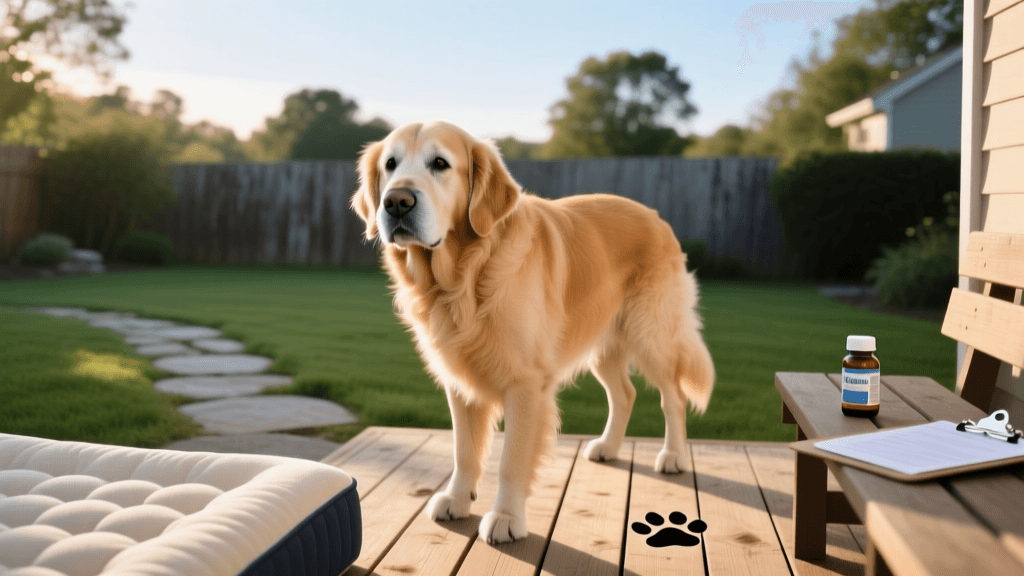
Senior Dog Care: Nutrition, Joint Health, and Wellness
Discover essential senior dog care tips. Learn about age-appropriate nutrition, joint supplements, exercise modifications, and vet screening for aging dogs.

Understanding the Senior Life Stage
Watching your beloved canine companion transition into their golden years is a bittersweet milestone. As dogs age, their physiological needs shift dramatically, requiring a proactive approach to veterinary care, nutrition, and environmental management. According to the ASPCA, senior dogs are more susceptible to chronic conditions such as osteoarthritis, canine cognitive dysfunction (CCD), and metabolic diseases. However, with targeted life-stage care, you can significantly enhance your dog's quality of life, ensuring their senior years are comfortable, active, and joyful.
Defining the Senior Years
The onset of "senior" status is not a one-size-fits-all metric; it is heavily dependent on your dog's breed and size. Giant breeds, such as Great Danes or Saint Bernards, may enter their senior years as early as 5 to 6 years of age. Medium-sized dogs typically reach this stage around 8 to 9 years, while small and toy breeds, like Chihuahuas or Pomeranians, may not show signs of aging until they are 10 to 12 years old. Recognizing your dog's specific life stage is the first step in tailoring their healthcare and daily routines to their evolving biological needs.
Nutritional Adjustments: Protein, Fats, and Calories
A common misconception in senior dog care is that older dogs need less protein to protect their kidneys. In reality, unless a dog has been specifically diagnosed with chronic kidney disease (CKD), aging dogs require more high-quality, easily digestible protein to combat sarcopenia—the age-related loss of muscle mass. The American Kennel Club (AKC) emphasizes that senior diets should prioritize premium animal-based proteins to maintain lean body condition.
Managing Caloric Intake
As a dog's metabolism slows down by up to 20% in their senior years, their caloric requirements decrease. Obesity in senior dogs exacerbates joint pain and cardiovascular strain. Transitioning to a senior-specific formula, such as Hill's Science Diet Youthful Vitality or Purina Pro Plan Bright Mind, can help manage weight while providing targeted nutrients. These diets typically feature reduced fat content but maintain robust vitamin and mineral profiles.
Targeted Supplementation for Cognitive Health
Canine Cognitive Dysfunction (CCD) is akin to Alzheimer's disease in humans. To support brain health, consider incorporating Medium Chain Triglycerides (MCTs) into your dog's diet. MCT oil provides an alternative energy source for the aging brain, which loses its ability to efficiently metabolize glucose. A standard therapeutic dosage is approximately 1 teaspoon of MCT oil per 10 pounds of body weight daily, though you should always introduce fats slowly to avoid gastrointestinal upset.
Joint Health and Mobility Management
Osteoarthritis is the most common chronic condition in senior dogs, affecting up to 80% of canines over the age of 8. Managing joint health requires a multi-modal approach, combining weight management, environmental modifications, and targeted nutraceuticals. The Cornell University College of Veterinary Medicine recommends starting joint support supplements before severe mobility issues arise, ideally as soon as a dog enters their senior life stage.
Joint Supplement Comparison Guide
Not all joint supplements are created equal. Below is a comparison of the most effective, veterinarian-recommended ingredients for senior canine joint care:
| Active Ingredient | Primary Benefit | Recommended Daily Dosage | Est. Monthly Cost |
|---|---|---|---|
| Glucosamine HCl & Chondroitin Sulfate | Cartilage support and synovial fluid production | 500mg - 1000mg (based on weight) | $25 - $45 |
| Omega-3 Fatty Acids (EPA/DHA) | Potent systemic anti-inflammatory effects | 300mg combined EPA/DHA per 10 lbs | $15 - $30 |
| Green-Lipped Mussel (Perna canaliculus) | Joint lubrication and glycosaminoglycan source | 15mg - 20mg per lb of body weight | $20 - $40 |
| Undenatured Type II Collagen (UC-II) | Immune-mediated joint inflammation reduction | 10mg - 40mg daily (standardized) | $30 - $50 |
Note: Products like Dasuquin Advanced or Cosequin DS often combine several of these ingredients for a synergistic effect. Always consult your veterinarian before starting new supplements, especially if your dog is on NSAIDs like Carprofen or Meloxicam.
Exercise Modifications and Mental Enrichment
While high-impact activities like agility or frisbee should be phased out, complete rest is detrimental to senior dogs. Muscle atrophy accelerates without use. Instead, transition to low-impact, consistent exercise routines.
- The "Sniffari" Walk: Allow your dog to lead the walk and sniff at their own pace. Fifteen minutes of intensive sniffing provides as much mental stimulation and caloric burn as a brisk one-mile walk, while sparing their joints from repetitive pounding.
- Hydrotherapy: Swimming or underwater treadmills provide zero-impact cardiovascular exercise. The buoyancy of the water supports their weight while the resistance builds muscle.
- Puzzle Feeders: Use snuffle mats or interactive puzzle toys (like the Kong Classic or Outward Hound Nina Ottosson puzzles) to keep their minds sharp and encourage natural foraging behaviors without requiring physical exertion.
Veterinary Preventive Care and Screening
The standard annual vet visit is no longer sufficient for senior dogs. Because dogs age roughly four to seven times faster than humans, a lot can change in a single year. The gold standard for senior care is bi-annual veterinary examinations (every 6 months).
The Senior Wellness Blood Panel
During these visits, request a comprehensive senior wellness panel. This typically costs between $150 and $300, depending on your geographic location, and should include:
- Complete Blood Count (CBC) & Chemistry Panel: To evaluate liver, kidney, and pancreatic function, as well as blood sugar levels.
- SDMA Testing: Symmetric dimethylarginine (SDMA) is a biomarker that detects kidney disease much earlier than traditional BUN and Creatinine tests, often catching renal decline when only 25% of kidney function is lost, compared to 75% for older tests.
- Urinalysis: Crucial for detecting early signs of diabetes, kidney disease, and asymptomatic urinary tract infections, which are common in older dogs.
- Total T4 (Thyroid): Hypothyroidism is prevalent in senior dogs and can cause lethargy, weight gain, and skin issues.
Home Environment Adjustments
Modifying your living space is one of the most immediate and impactful ways to improve your senior dog's daily comfort. Small changes can prevent catastrophic injuries like torn cruciate ligaments or hip fractures from slipping.
Essential Home Modifications
- Orthopedic Bedding: Thin, stuffing-filled beds offer no support for aging joints. Invest in a high-density orthopedic bed, such as those from Big Barker or FurHaven. Look for a minimum of 4 inches of supportive, medical-grade foam that does not flatten under your dog's weight.
- Non-Slip Surfaces: Hardwood and tile floors are hazardous for dogs with weakened hindquarters. Lay down interlocking foam mats, yoga mats, or area rugs with rubberized backings in high-traffic areas and near their bed and water bowls.
- Pet Ramps and Stairs: Jumping on and off furniture or into SUVs puts immense stress on the spine and hips. Use a ramp with an incline angle of less than 18 degrees. The PetSafe Happy Ride folding ramp is a popular, lightweight option for vehicle loading.
- Raised Bowls: Elevating food and water bowls by 4 to 6 inches (depending on the dog's height) reduces neck strain and can aid in digestion, particularly for large, deep-chested breeds.
Conclusion
Caring for a senior dog requires a shift from reactive treatment to proactive management. By adjusting their nutritional profile to support muscle mass and brain health, implementing a robust joint-care regimen, modifying their exercise to prioritize mental enrichment, and adapting your home environment, you can dramatically improve their twilight years. Regular, thorough veterinary screenings remain the cornerstone of this life stage, ensuring that any underlying conditions are caught early. Your dog has spent their life caring for you; their senior years are your opportunity to provide them with the comfort, dignity, and love they so richly deserve.
anouk-beaumont
All our authors care for dogs every day — read more of their work on the authors page.