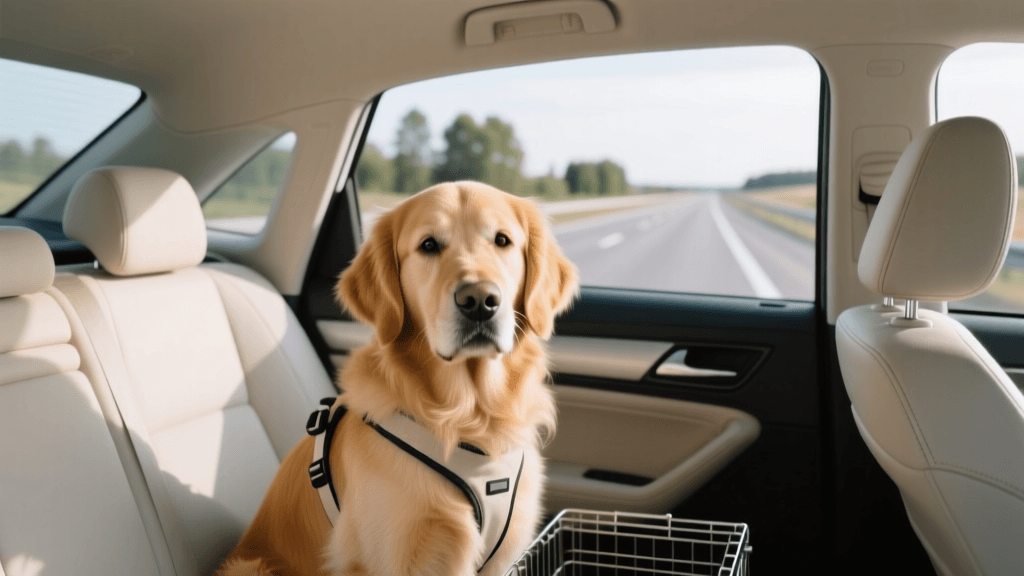
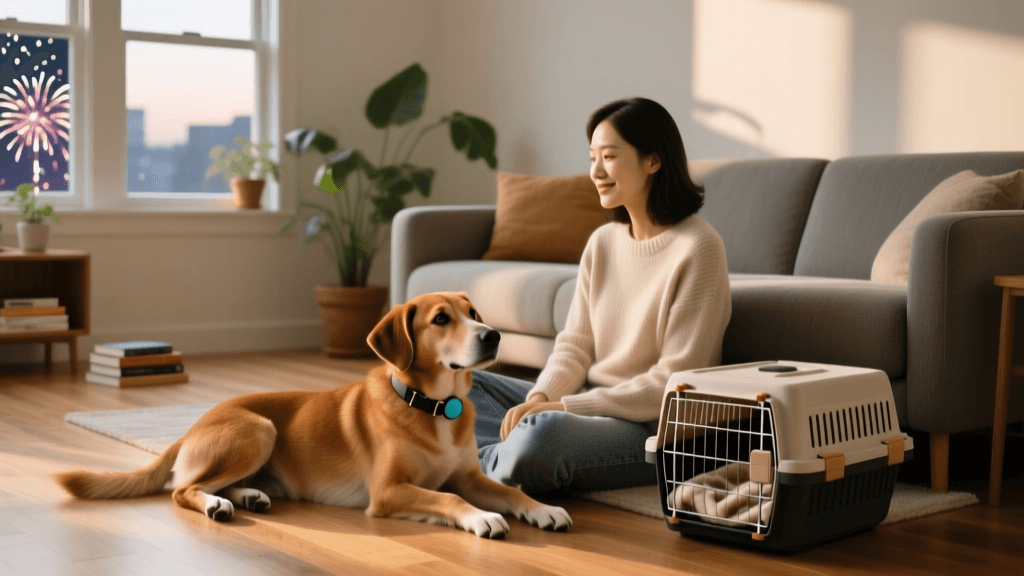
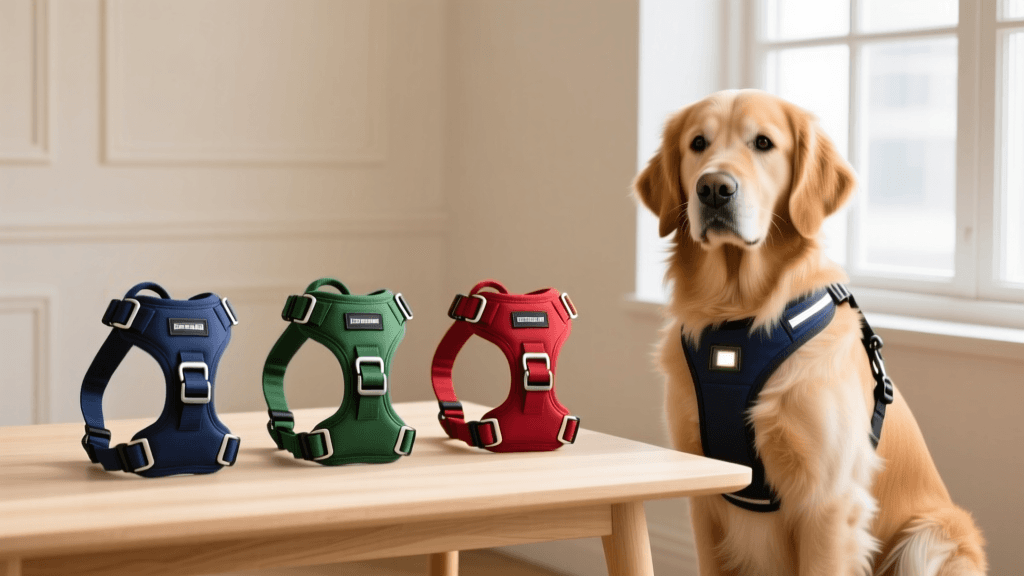
Step-by-Step Guide to Stress-Free Car Travel With Dogs
Master stress-free car travel with your dog using our step-by-step training guide. Discover safe gear, timing tips, and motion sickness solutions.
Why Car Travel Training Matters for Your Dog
Traveling with your dog should be an exciting adventure, whether you are heading to the local park, visiting family out of state, or embarking on a cross-country road trip. However, for many dogs, the car is a source of immense anxiety, leading to panting, drooling, whining, and even motion sickness. According to the ASPCA, thousands of pets are injured annually in vehicle accidents due to improper restraints or distracted driving caused by loose pets in the cabin.
Teaching your dog to associate the car with positive experiences is not just about comfort; it is a critical safety measure. A step-by-step desensitization and counter-conditioning protocol can transform your dog from a panicked passenger into a relaxed travel companion. This guide provides a comprehensive, actionable roadmap to acclimate your dog to car travel, complete with gear recommendations, timing schedules, and behavioral milestones.
Step 1: Select Crash-Tested Safety Gear
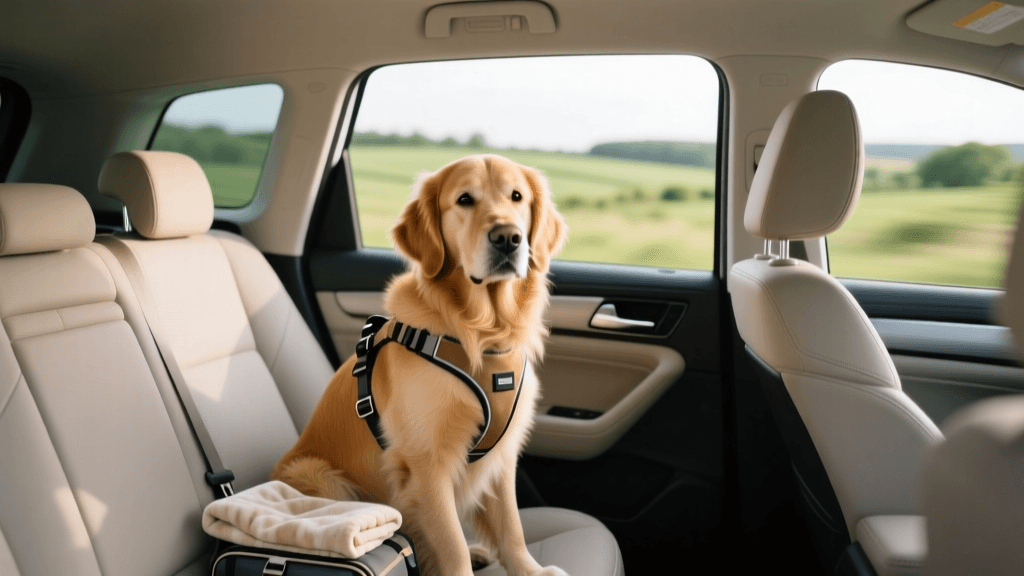
Before you begin training, you must invest in proper safety equipment. Allowing a dog to roam freely in the car or stick their head out the window is incredibly dangerous. In the event of a sudden stop or collision, an unrestrained 50-pound dog becomes a projectile exerting over 2,000 pounds of force. The Center for Pet Safety (CPS), a registered 501(c)(3) non-profit dedicated to companion animal safety, rigorously crash-tests pet travel products to ensure they meet strict safety standards.
When choosing gear, look for the CPS certification seal. Here is a comparison of the primary restraint options available on the market:
| Gear Type | Pros | Cons | Avg Cost |
|---|---|---|---|
| CPS-Certified Crate (e.g., Gunner G1, Ruff Land) | Maximum impact protection, prevents escaping, highly durable | Bulky, heavy, expensive, requires large trunk or SUV space | $500 - $900 |
| CPS-Certified Harness (e.g., Sleepypod Clickit Sport) | Affordable, easy to store, ideal for small cars and sedans | Requires dog to sit still, slightly less impact protection than a crate | $70 - $110 |
| Standard Seatbelt Tether | Very cheap, keeps dog from jumping into the front seat | Zero crash protection, high risk of spinal injury in a wreck | $10 - $20 |
Note: Never attach a seatbelt tether to a standard walking collar. Always use a well-fitted, padded body harness to distribute impact forces across the dog's chest and shoulders.
Step 2: Build Positive Associations at Home (Days 1-4)
If your dog is fearful of the car, do not force them inside. Start with the vehicle parked in your driveway with the engine off and the doors wide open. The goal is to change the dog's emotional response from fear to anticipation of a reward.
- Day 1: Toss high-value treats (like Zuke's Mini Naturals or K9 Natural freeze-dried beef) near the car, then on the car floor, and finally onto the seat or into the crate. Let the dog exit immediately after eating. Do 3 sessions of 5 minutes each.
- Day 2: Feed your dog their regular meals near the car. Place the food bowl on the edge of the open door. If they are comfortable, move the bowl to the floorboard or inside the crate.
- Day 3: Introduce a long-lasting chew or a Kong Classic stuffed with frozen peanut butter and pumpkin puree. Give it to the dog only when they are inside the car or crate. After 10 minutes, remove the chew and end the session.
- Day 4: Practice putting on the harness or securing the crate straps while the dog is inside. Reward heavily with a treat every time a buckle clicks. This conditions the sound and feeling of being restrained to mean "treats are coming."
Step 3: The Driveway Desensitization Protocol (Days 5-8)
Once your dog happily jumps into the car to find their treats, it is time to introduce the sensory triggers of the vehicle: the sound of the doors closing, the engine starting, and the vibration.
Session A (Door Sounds): With the dog secured and eating a treat, gently close the car door, wait three seconds, open it, and praise. Repeat 10 times. Gradually increase the time the door remains closed to 1 minute, then 3 minutes.
Session B (Engine Vibration): Close the door, start the engine, and let it idle for 2 minutes while you sit in the driver's seat reading a book. Do not pull out of the driveway. Turn the engine off, open the door, and reward. The air conditioning should be set to a comfortable 68°F to 72°F to prevent overheating and mimic a pleasant driving environment.
Step 4: Incremental Driving Distances (Weeks 2-3)
Now you will begin driving, but the destination must be predictable and short. Dogs often associate the car solely with the vet or the groomer, which causes anxiety. You must break this pattern by taking short trips to highly rewarding locations.
- Trips 1-3: Drive exactly one block away, stop the car, get out, play a quick game of tug or scatter treats in the grass, and drive right back home. Total driving time: 2 minutes.
- Trips 4-6: Drive 5 to 10 minutes to a favorite walking trail or a dog-friendly hardware store. Keep the radio volume low, avoid hard braking, and take corners smoothly to minimize vestibular (inner ear) disruption, which triggers motion sickness.
- Trips 7-10: Extend the drive to 20 minutes. Monitor your dog's body language. Lip licking, yawning, and excessive panting are early signs of stress. If you see these, pull over, let the dog sniff the ground for a mental reset, and resume at a slower pace.
Step 5: Managing Motion Sickness and Anxiety
Even with excellent behavioral training, some dogs suffer from physiological motion sickness. Puppies are especially prone to this because the structures of the inner ear used for balance are not fully developed until they are about a year old. The American Kennel Club notes that while many puppies outgrow car sickness, adult dogs may require intervention if the nausea becomes a conditioned response.
If your dog drools excessively or vomits, consult your veterinarian. They may prescribe an anti-nausea medication like Cerenia (maropitant citrate), which blocks the neurotransmitters that trigger vomiting without causing severe drowsiness. For mild anxiety, natural supplements containing L-theanine, melatonin, or ginger root can help settle the stomach and calm the nervous system. Additionally, covering the side windows with breathable mesh shades can prevent visual overstimulation, which often exacerbates nausea.
"Never leave your dog unattended in a parked vehicle. Even on a mild 70°F day, the interior temperature of a car can reach 104°F within just 30 minutes, leading to fatal heatstroke. If you must stop for food or restrooms, take turns with a travel companion or utilize drive-through services."
Pre-Travel Exercise and Mental Enrichment
A tired dog is a calm traveler. Before embarking on any car journey, especially those lasting longer than 30 minutes, engage your dog in vigorous physical exercise and mental enrichment. A 20-minute session of fetch, flirt-pole work, or a structured sniffari walk will deplete their excess energy reserves. Furthermore, mental fatigue is just as effective as physical fatigue. Spending 10 minutes on obedience training or nose-work games before loading into the car will encourage your dog to settle down and sleep for the duration of the trip.
Your Daily Training Checklist
Consistency is the key to success. Print this checklist and track your progress to ensure you do not rush the desensitization process:
- Week 1: Positive association, feeding meals in the stationary car, introducing the harness/crate.
- Week 2: Engine idling, door closing, 1-minute to 5-minute stationary sessions with high-value chews.
- Week 3: Short 2-minute drives to fun locations, practicing smooth braking and turning.
- Week 4: 15-minute to 30-minute drives, monitoring for stress signals, implementing window shades and AC.
By investing the time to properly train your dog for car travel, you are ensuring their safety, reducing your own driving distractions, and opening the door to a lifetime of shared adventures on the open road.
robin-maitland
All our authors care for dogs every day — read more of their work on the authors page.