Dog Button Training: Guide to the Viral Soundboard Trend
Discover how viral dog button training works. Learn the science, costs, and step-by-step methods to teach your dog to talk using soundboards.
The Viral Phenomenon of Dog Button Training
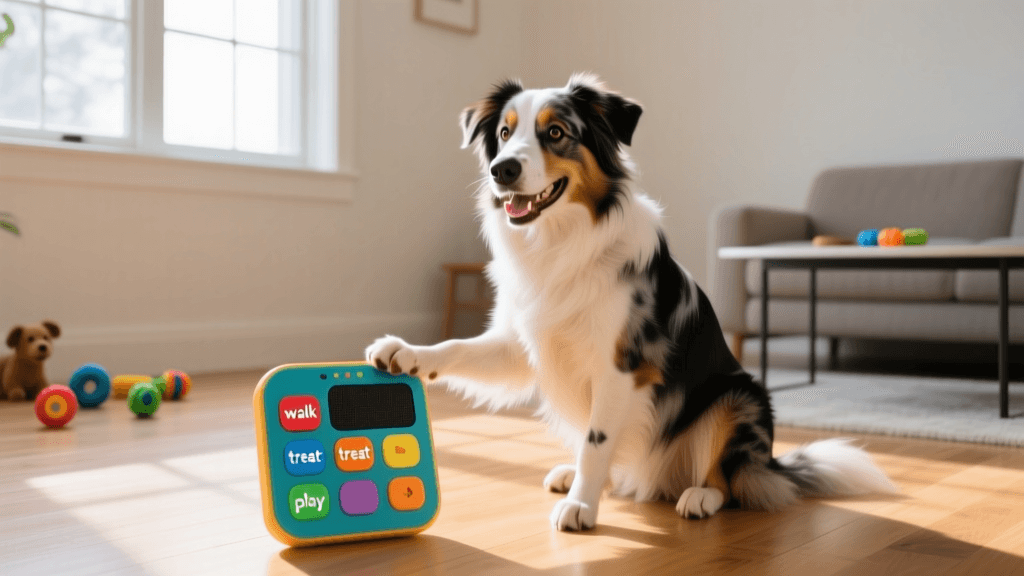
If you have spent any time on TikTok, Instagram, or YouTube Shorts recently, you have likely encountered a viral sensation: dogs "talking" using soundboards. From Bunny the Sheepadoodle asking "Who this?" to Stella the Catahoula mix demanding a walk, canine augmentative and alternative communication (AAC) has taken the internet by storm. But beyond the viral hype and millions of views, is there actual science supporting this trend? More importantly, can you teach your own dog to use communication buttons?
As a senior trainer, I have seen countless viral dog training trends come and go. Some are dangerous fads, while others are rooted in solid behavioral science. Button training falls firmly into the latter category when executed correctly. It is not about teaching your dog human syntax or complex grammar; it is about leveraging operant conditioning, canine cognition, and positive reinforcement to give your dog a functional way to express their needs, desires, and observations.
The Science Behind Soundboard Communication
To understand why button training works, we must look at canine cognition. Dogs do not process language the same way humans do, but they are exceptional associative learners. According to research from Eötvös Loránd University's Family Dog Project, dogs possess the cognitive ability to learn and retain hundreds of arbitrary words, associating specific sounds with specific objects, actions, or outcomes. The famous Border Collie named Chaser, for instance, learned and retained the names of over 1,000 distinct toys.
When a dog presses a button that plays the word "Outside" and is immediately rewarded with a trip to the yard, they are engaging in operant conditioning. They learn that a specific physical action (pressing the button) triggers a specific environmental result (the door opens). Furthermore, providing dogs with a way to communicate reduces frustration and anxiety. As noted by Fear Free Pets, cognitive enrichment and giving dogs agency over their environment are critical components of modern, force-free behavioral health.
Essential Gear and Cost Breakdown
You do not need to spend a fortune to start, but investing in the right equipment prevents frustration. The most popular system on the market is FluentPet, designed by cognitive scientists, but DIY alternatives exist. Below is a comparison chart to help you budget for your dog's new soundboard.
| Equipment Type | Estimated Cost | Pros & Cons |
|---|---|---|
| FluentPet Starter Kit | $30 - $50 | Includes 6 pre-recordable buttons, hexagonal mats that prevent sliding, and a training guide. Highly durable. |
| DIY Recordable Buzzers | $15 - $25 (Pack of 4) | Cheaper, but lightweight. Dogs often push them across the floor. Requires buying separate non-slip mats. |
| PetSafe Clicker & Target Stick | $10 - $15 | Essential for the initial shaping phase. The target stick teaches the dog to touch an object with their nose or paw. |
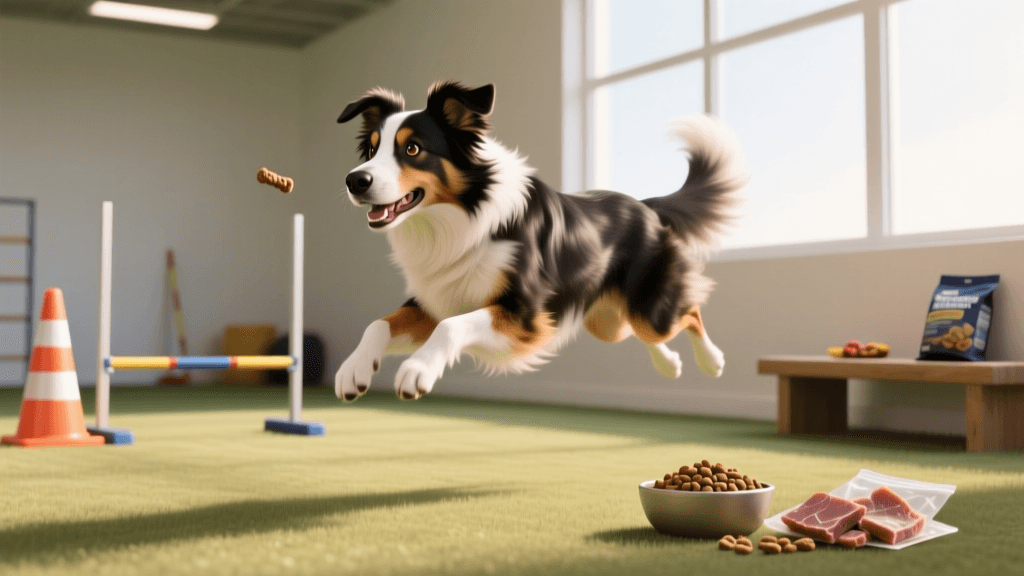
| Zuke's Mini Naturals Treats | $8 - $12 | Low-calorie, pea-sized treats. Crucial for high-repetition training sessions without causing weight gain. |
Step-by-Step Button Training Protocol
Do not simply place a button on the floor, press it, and hope your dog figures it out. Viral videos often edit out the weeks of foundational training required. Follow this structured protocol for the best results.
Phase 1: Target Training (Weeks 1-2)
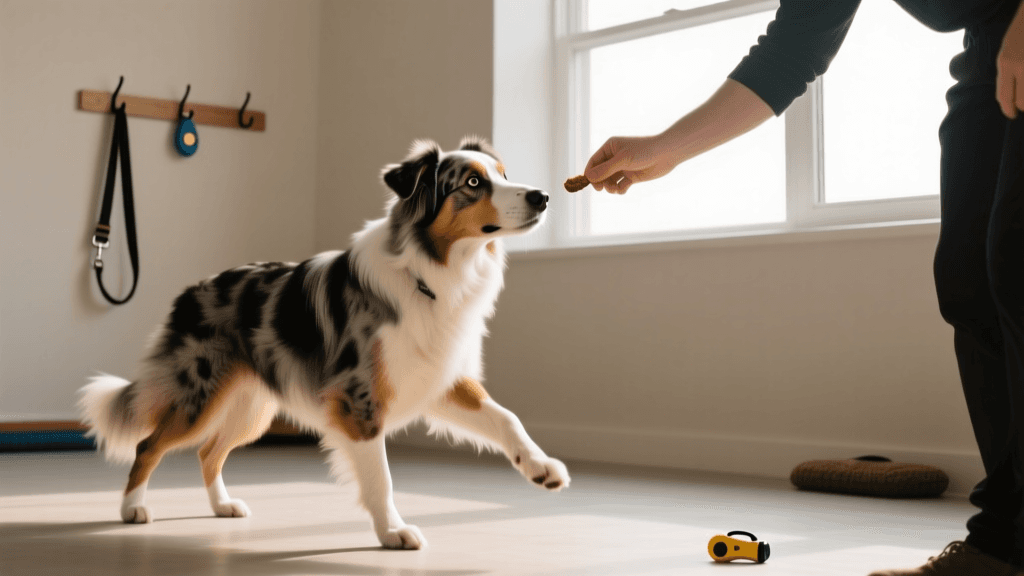
Before introducing the soundboard, your dog must learn how to target an object on command. Using a target stick or a small plastic lid, hold the object near your dog. The moment they sniff or touch it with their nose or paw, mark the behavior with a clicker or a verbal "Yes!" and deliver a treat within 0.5 seconds. Repeat this until your dog reliably touches the target on cue. This builds the physical mechanic required to press a button.
Phase 2: Modeling and Pairing (Weeks 3-4)
Choose your first button. The most highly motivating and successful first button is "Outside" or "Walk". Record your voice saying the word clearly on the button. Place the button near the door you use to take them out. Every single time you take the dog outside, point to the button, press it yourself so it says "Outside," and immediately open the door. You are modeling the behavior and pairing the sound with the action. Do not force your dog's paw onto the button; this can cause fear or aversion.
Phase 3: Shaping the Press (Weeks 5-6)
Once your dog understands that the button sound precedes the door opening, wait. Stand by the door with your leash ready. Look at the button, then look at your dog. Wait for them to interact with it. If they sniff it, mark and reward. Gradually raise your criteria until they press it firmly enough to trigger the sound. The moment it plays, throw a small celebration, say "Yes! Outside!", and open the door. Keep these training sessions strictly limited to 3 to 5 minutes to prevent cognitive fatigue.
Phase 4: Expanding the Vocabulary
Once your dog is reliably pressing "Outside," you can introduce new concepts. Great second and third buttons include "Play" (paired with a favorite tug toy), "Water" (paired with refilling the bowl or a drink from the hose), and "All Done" (an incredibly useful button for ending play sessions or grooming, which gives the dog a sense of control and reduces biting or avoidance behaviors).
Troubleshooting the Viral Hype: Myths vs. Reality
As with any viral trend, misinformation spreads quickly. Let us debunk a few common myths surrounding dog button training.
- Myth: My dog is stringing together complex sentences.
Reality: When a dog presses "Outside" then "Play" then "Stranger," they are not necessarily forming a grammatical sentence. They are often chaining together behaviors that have historically yielded high-value rewards, or expressing a stream of consciousness based on immediate environmental triggers. According to the American Kennel Club's training guidelines, dogs learn sequences of tricks through chaining, not linguistic syntax. - Myth: Any dog can learn this in a week.
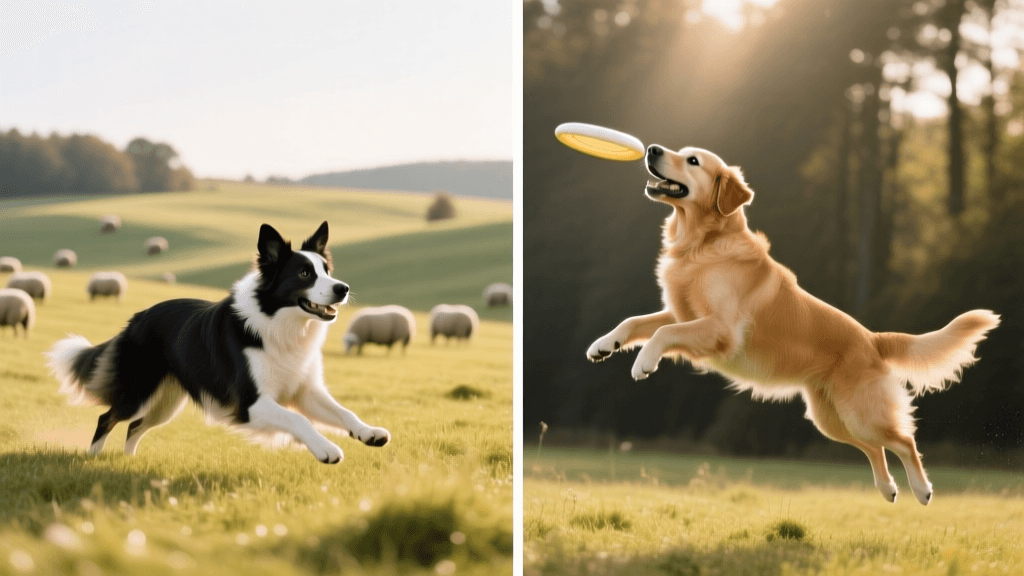
Reality: Button training requires immense patience. Some dogs take months to press their first button intentionally. High-drive breeds like Border Collies or Poodles may pick it up faster, but any dog, regardless of breed or age, can learn with consistent, positive reinforcement. - Myth: The dog is just asking for treats.
Reality: If you only use buttons for treats, you are creating a vending machine, not a communicator. Always pair the button with the actual real-world outcome (e.g., pressing "Play" results in a game of fetch, not a piece of cheese).
Managing "Button Spamming" and Extinction Bursts
A common issue trainers face is the "extinction burst" or button spamming. If your dog presses the "Outside" button at 2:00 AM and you ignore them, they will likely press it harder and more frequently out of frustration. To manage this, you must establish boundaries. You can use a physical cover for the buttons at night, or teach a specific "All Done" or "Bedtime" routine that signals the buttons are no longer active. Consistency is your greatest tool. If a button works sometimes but not others, your dog will treat it like a slot machine, leading to obsessive pressing.
Final Thoughts for Dog Owners
Dog button training is far more than a cute party trick for social media clout. It is a profound way to deepen the bond between you and your canine companion, offering them a window into their own minds and a voice in a human-dominated world. By investing in the right gear, respecting the science of canine cognition, and committing to short, positive training sessions, you can unlock a fascinating new layer of communication with your best friend. Start small, celebrate the tiny victories, and enjoy the journey of discovering what your dog really has to say.
robin-maitland
All our authors care for dogs every day — read more of their work on the authors page.