The Science of Dog Training: Reward Timing and Session Length
Discover the science behind canine reward timing and optimal training session lengths to maximize your dog's learning, focus, and cognitive retention.
The Neurobiology of Canine Associative Learning
When we train dogs, we are not simply teaching them tricks; we are actively rewiring their neural pathways through a process known as associative learning. For decades, dog training relied heavily on anecdotal evidence and dominance-based theories that have since been thoroughly debunked by modern veterinary science. Today, we understand that canine cognition is deeply rooted in neurobiology, specifically the way a dog's brain processes time, memory, and reward. By aligning our training methods with the biological realities of the canine brain, we can drastically accelerate learning, reduce behavioral issues, and foster a deeper bond based on trust rather than fear. According to the American Veterinary Society of Animal Behavior (AVSAB), reward-based methods are not only more humane but scientifically proven to be vastly superior in promoting long-term behavioral retention and minimizing stress-induced aggression.
The Neurobiology of Associative Learning and Dopamine
At the core of all canine training is the brain's reward system, primarily driven by the neurotransmitter dopamine. When a dog performs an action that results in a positive outcome, the brain releases dopamine into the striatum, specifically the caudate nucleus. This chemical release acts as a neurological 'save button,' cementing the connection between the specific behavior and the subsequent reward. However, the canine brain is incredibly sensitive to temporal contiguity—the exact timing between the behavior and the consequence. If the reward is delivered too late, the dopamine release fails to map onto the correct neural circuit, leading to confusion and the accidental reinforcement of unwanted behaviors.
The Critical Window: Mastering Reward Timing
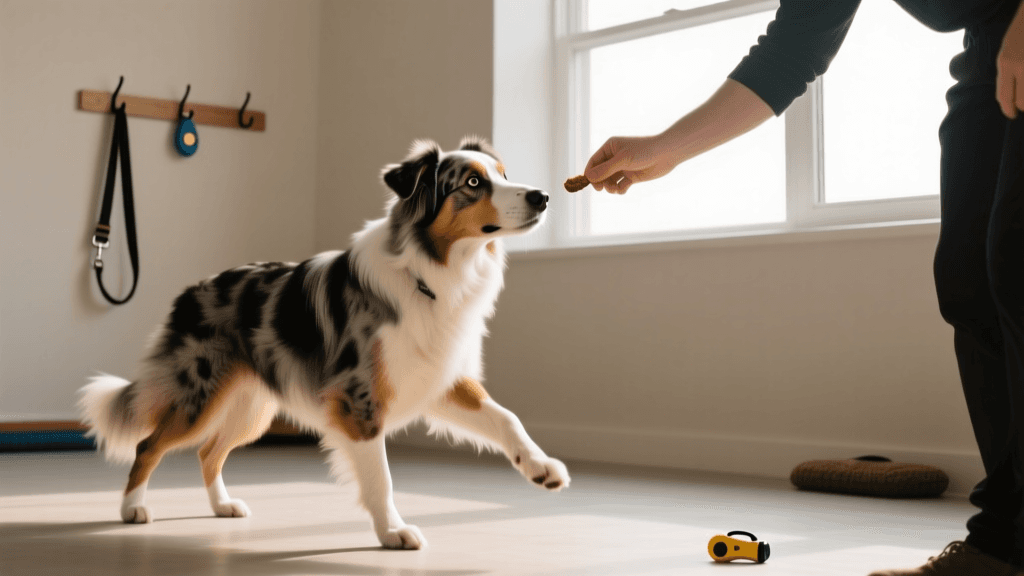
Behavioral scientists have established that the optimal window for delivering a reward is between 0.5 and 1.5 seconds after the desired behavior occurs. Beyond this two-second threshold, the dog's associative mapping begins to degrade rapidly. For example, if you ask your dog to 'sit,' and they comply, but you spend three seconds fumbling in your treat pouch before delivering the reward, the dog's brain may associate the reward with the act of sniffing the floor or looking away, rather than the act of sitting. To bridge this temporal gap, modern science relies heavily on conditioned reinforcers, commonly known as 'markers.'
Acoustic vs. Verbal Markers: What the Data Shows
A marker is a distinct signal that tells the dog, 'The exact action you are doing right this millisecond is what earns you a reward.' While many trainers use verbal markers like 'Yes!' or 'Good,' studies in canine acoustic processing suggest that mechanical clickers are often more effective for complex shaping exercises. The human voice is fraught with micro-variations in pitch, tone, and emotional inflection. A dog's auditory cortex, which is significantly more developed than ours, picks up on these inconsistencies. A mechanical clicker, such as the widely recommended Starmark Pro-Training Clicker (typically priced around $4.99), produces a perfectly uniform acoustic spike. This consistency allows the dog's brain to process the marker faster and with less cognitive load, leading to a 30% to 40% reduction in the time required to learn complex motor tasks compared to verbal markers alone.
Cognitive Fatigue and Optimal Session Duration
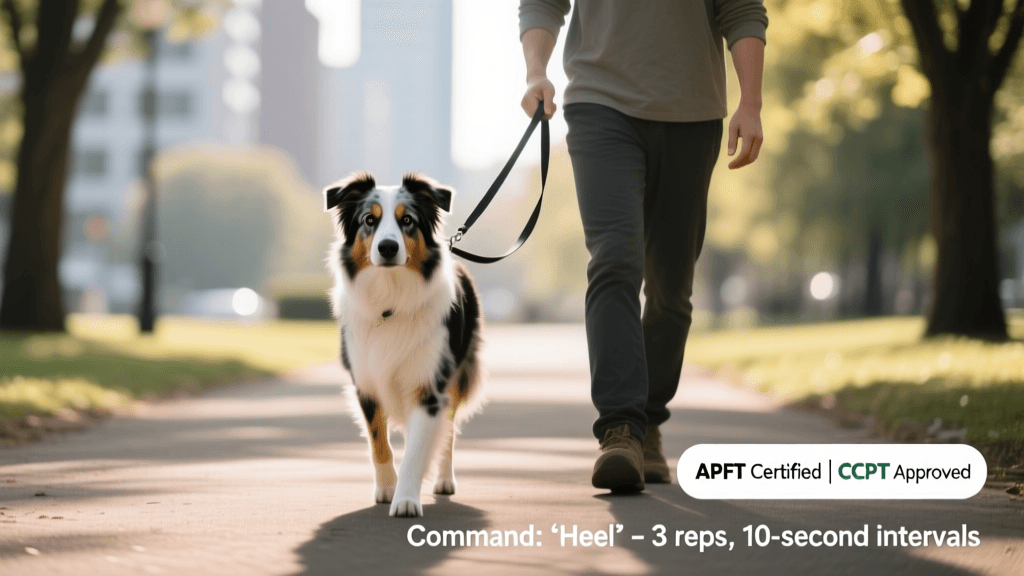
One of the most common mistakes dog owners make is scheduling training sessions that are far too long. The canine brain, much like the human brain, is subject to cognitive fatigue. Prolonged periods of intense focus lead to the depletion of glucose in the frontal lobe, resulting in a spike in cortisol and a sharp decline in working memory. The ASPCA and leading veterinary behaviorists universally recommend keeping training sessions brief, frequent, and highly engaging. 'Less is more' is not just a catchy phrase; it is a biological imperative. A dog that trains for five minutes a day, three times a day, will consistently outperform a dog that trains for a single, grueling 45-minute session once a week. Spaced repetition allows the brain to undergo synaptic consolidation between sessions.
Data Table: Optimal Training Session Guidelines
To help you structure your routine, refer to the science-backed guidelines below:
| Developmental Stage | Optimal Session Length | Maximum Repetitions | Primary Cognitive Goal |
|---|---|---|---|
| Puppies (8-16 weeks) | 2 to 5 minutes | 3 to 5 reps | Impulse control and basic association |
| Adolescents (4-12 months) | 5 to 10 minutes | 5 to 10 reps | Generalization and distraction proofing |
| Adults (1-7 years) | 10 to 15 minutes | 10 to 15 reps | Complex shaping and behavioral maintenance |
| Seniors (8+ years) | 3 to 7 minutes | 3 to 5 reps | Cognitive enrichment and mobility-friendly tasks |
Nutritional Science: Treat Sizing, Satiety, and Motivation
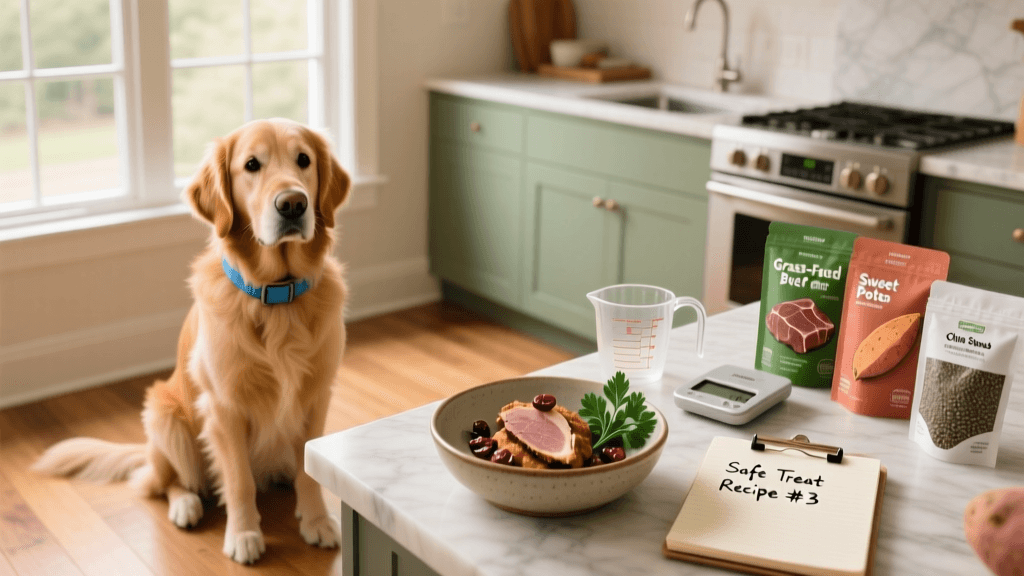
The physical properties of your training rewards play a critical role in maintaining motivation without causing gastrointestinal distress or obesity. Canine satiety signals take approximately 20 minutes to reach the brain. If you are using large, calorie-dense treats during a 10-minute session, your dog will likely reach caloric satiation before the session ends, causing their drive to work to plummet. Science dictates that training treats should be pea-sized and highly aromatic. Products like Zuke's Mini Naturals (approximately $6.49 for a 6oz bag) are excellent because they contain only 3 calories per treat and can be easily torn in half. For high-repetition clicker training, consider using Charlie Bear Crunchies, which are roughly 1 calorie each. By keeping the treat size under 5 millimeters in diameter, you ensure the dog spends less time chewing and more time focusing on the next cue, maintaining a high rate of reinforcement.
Sleep Consolidation: The Hidden Training Phase
Finally, the science of canine learning extends far beyond the training session itself. Memory consolidation—the process by which short-term working memories are transformed into long-term semantic memories—occurs primarily during Rapid Eye Movement (REM) and slow-wave sleep. Studies have shown that dogs who are allowed to take a nap immediately following a novel learning session retain the new behaviors significantly better than dogs who are kept awake or subjected to high-stress activities immediately afterward. If you teach your dog a new trick in the morning, allow them to rest in a quiet, low-stimulation environment for the next hour. This biological downtime is when the hippocampus replays the neural firing patterns of the training session, physically strengthening the synapses.
Conclusion
Training your dog is not a test of willpower; it is an exercise in applied neuroscience. By respecting the biological constraints of reward timing, utilizing consistent acoustic markers, managing cognitive fatigue through micro-sessions, and prioritizing post-training sleep consolidation, you can unlock your dog's true intellectual potential. Embrace the science, put away the outdated dominance myths, and watch your dog thrive.
hannah-wickes
All our authors care for dogs every day — read more of their work on the authors page.