Optimizing Dog Nutrition For Peak Training Focus And Stamina
Discover how your dog's diet impacts training focus and stamina. Learn actionable nutrition tips, treat ratios, and feeding schedules for success.
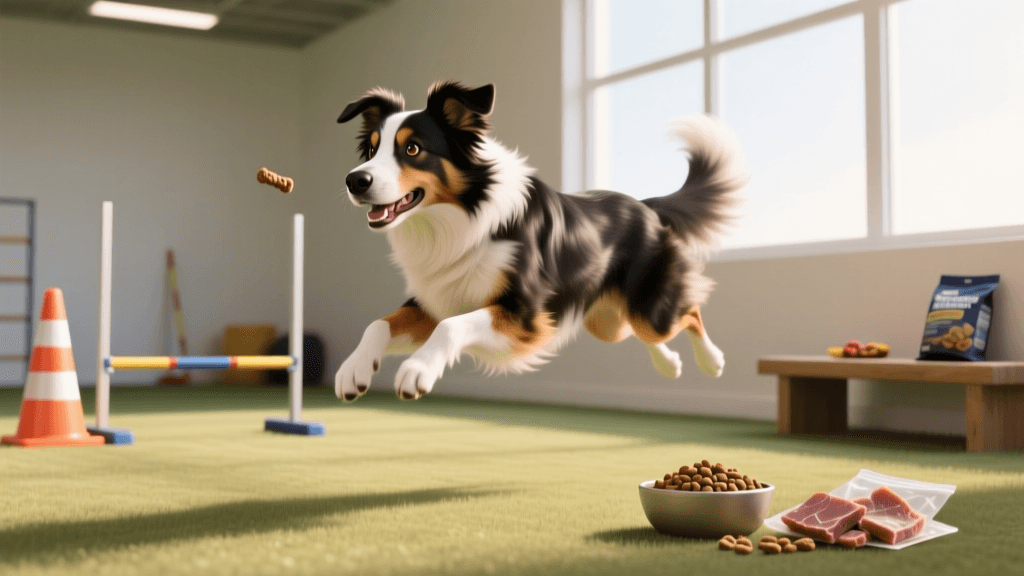
When we think of dog training, we often picture leashes, clickers, and treat pouches. However, one of the most critical, yet frequently overlooked, components of canine behavioral conditioning and obedience training is nutrition. The food you provide dictates your dog's energy levels, cognitive function, and overall stamina during rigorous learning sessions. A poorly fueled dog is easily distracted, slow to process new cues, and prone to behavioral fatigue. Conversely, a dog on an optimized, nutrient-dense diet will demonstrate sharper focus, faster recall of learned behaviors, and the physical endurance required for advanced trick teaching or agility sports. In this deep dive, we explore the intersection of canine health, nutrition, and trainability, providing you with actionable strategies to fuel your dog for peak performance.
The Brain-Gut Connection in Canine Learning
The canine brain is a metabolically demanding organ. During intense training sessions—such as shaping a complex trick, navigating an agility course, or practicing prolonged obedience stays—the brain consumes a significant amount of glucose. When blood sugar levels fluctuate wildly due to a diet high in simple carbohydrates, dogs can experience cognitive fatigue, manifesting as a sudden inability to focus or a refusal to obey known cues. According to veterinary nutritionists, maintaining stable blood glucose through complex carbohydrates and high-quality fats is essential for sustained mental acuity. Furthermore, the gut microbiome plays a pivotal role in producing neurotransmitters like serotonin, which influences mood and stress levels during socialization and exposure training.
Macronutrients: What Fuels a Trainable Dog?
Not all dogs require the same macronutrient profile. A sedentary companion dog learning basic manners has vastly different caloric and metabolic needs compared to a working dog or a canine athlete competing in obedience trials. Fats are the primary and most efficient energy source for the canine body and brain. Omega-3 fatty acids, specifically DHA and EPA found in fish oils, are critical for neural development and cognitive maintenance. Protein provides the amino acids necessary for muscle repair after physical conditioning, while carbohydrates offer quick bursts of energy.
Below is a comparative guide to macronutrient requirements based on a dog's training intensity. Note that these percentages are measured on a Dry Matter (DM) basis, excluding the moisture content of the food.
| Activity & Training Level | Protein (DM %) | Fat (DM %) | Primary Energy Source |
|---|---|---|---|
| Sedentary / Basic Obedience | 22% - 26% | 12% - 15% | Moderate Carbs / Baseline Fat |
| Active / Agility & Trick Training | 28% - 32% | 18% - 22% | High Fat / Moderate Protein |
| Working / Endurance & Field Dogs | 32% - 40% | 25% - 35% | Very High Fat / High Protein |
The Economics and Strategy of Training Treats
Positive reinforcement relies heavily on food rewards, but overfeeding treats can lead to obesity and nutritional imbalances. The World Small Animal Veterinary Association (WSAVA) strictly recommends the 10% Rule, which dictates that treats and training rewards should constitute no more than 10% of your dog's total daily caloric intake. To adhere to this while maintaining high motivation, trainers must strategically categorize treats by value and caloric density. Experts at the Tufts Cummings School of Veterinary Medicine emphasize that treating should never compromise the foundational balance of a complete and balanced diet.
Low-Value Rewards (For Repetitive Drills)
Use your dog's daily kibble allocation for repetitive drills, such as loose-leash walking in low-distraction environments. Deduct these calories from their evening meal. Cost: ~$0.15 per ounce.
Medium-Value Rewards (For New Skill Acquisition)
Soft, chewable treats are ideal for rapid-fire clicking and treating. Products like Zuke's Mini Naturals (approx. 3 calories per treat) allow for high repetition without excessive caloric loading. Cost: ~$0.90 per ounce.
High-Value Rewards (For Proofing and High Distraction)
When proofing behaviors in highly stimulating environments or during intense socialization, you need jackpot rewards. Freeze-dried raw options like Stella & Chewy's or boiled, unseasoned chicken breast provide intense palatability. Cost: $2.50 - $3.50 per ounce.
Pro Tip: To maximize the 10% rule, use a portion of your dog's regular, nutritionally balanced wet food. Place it in a reusable treat tube for lickable rewards that promote calming behavior during mat training or grooming desensitization.
Nutrient Timing: When to Feed for Optimal Retention
The timing of your dog's meals directly impacts their food drive and cognitive readiness. Training a dog immediately after a heavy meal often results in lethargy and low motivation, as the parasympathetic nervous system is focused on digestion. Conversely, training a dog that is excessively hungry can lead to frustration, hyperarousal, and an inability to process new information.
For optimal trainability, aim to schedule sessions when your dog is in a fasted but stable state. This typically means training 3 to 4 hours after their last meal, or first thing in the morning before breakfast. A mild state of hunger naturally elevates food drive, making your training rewards more effective without crossing the threshold into hypoglycemic stress. If you are engaging in a full day of trials or field work, provide small, easily digestible snacks—such as a spoonful of plain pumpkin puree or a specialized canine energy gel—every two hours to maintain blood glucose levels without diverting blood flow away from the muscles and brain.
Hydration: The Hidden Variable in Focus
Dehydration is a primary culprit behind sudden drops in canine cognitive function and physical stamina. Even mild dehydration (as little as 2% of body weight in fluid loss) can impair a dog's ability to concentrate, recall commands, and regulate body temperature during active training. The American Veterinary Medical Association (AVMA) emphasizes that active dogs require significantly more water than sedentary pets, especially when consuming dry kibble or high-protein performance diets, which increase the metabolic demand for water to process excess nitrogen.
Always carry a collapsible silicone bowl and fresh water to your training sessions. If your dog is reluctant to drink in novel environments—a common issue during travel or competition—bait their water with a splash of low-sodium chicken bone broth or use a canine-specific hydration supplement containing electrolytes like potassium and magnesium to encourage fluid intake.
Reading Your Dog's Nutritional Feedback During Training
How do you know if your dog's current diet is supporting or hindering their training progress? Behavioral cues often precede physical symptoms of nutritional deficiencies or caloric imbalances. If your dog exhibits a sudden decline in impulse control, increased reactivity to environmental stimuli, or an inability to settle on a mat during duration exercises, evaluate their dietary fat content. Fats are crucial for the synthesis of myelin, the protective sheath around nerve fibers that facilitates rapid signal transmission in the brain. A diet deficient in essential fatty acids can literally slow down your dog's neurological processing speed, making them appear stubborn or untrainable when, in reality, they are biologically under-equipped to meet your cognitive demands.
Conversely, if your dog is hyperactive, unable to focus, and constantly scavenging during sessions, they may be experiencing blood sugar crashes from a diet too high in high-glycemic carbohydrates. Switching to a low-glycemic, high-protein, and moderate-fat diet can stabilize their energy, transforming a chaotic training session into a focused, productive learning experience. Tracking these behavioral metrics alongside a training journal can help you correlate dietary changes with tangible improvements in obedience and trick acquisition.
Targeted Supplements for Cognitive Conditioning
Beyond basic macros, specific supplements can enhance a dog's trainability. Medium-Chain Triglycerides (MCTs), derived from coconut oil or specialized canine supplements, bypass standard fat digestion and are converted directly into ketones. The brain readily uses ketones as an alternative, highly efficient energy source, which has been shown to improve alertness and problem-solving skills in aging or highly active dogs. Additionally, L-theanine, an amino acid often found in green tea extract supplements designed for dogs, can promote a state of calm focus. This is particularly beneficial for reactive dogs undergoing behavioral modification and counter-conditioning, as it lowers the physiological stress response without inducing drowsiness.
Conclusion
Achieving peak training performance requires looking beyond the mechanics of operant conditioning and addressing the biological engine driving your dog's behavior. By optimizing macronutrient ratios, strategically managing treat calories, timing meals to leverage natural food drive, and prioritizing hydration, you set the stage for faster learning and deeper behavioral retention. Remember that every dog is an individual; always consult with a board-certified veterinary nutritionist to tailor these guidelines to your specific dog's breed, age, and metabolic health.
jonas-cole
All our authors care for dogs every day — read more of their work on the authors page.