Top 5 Dog Body Language Mistakes Owners Must Avoid
Discover the top 5 dog body language mistakes owners make. Learn to read canine stress signals correctly and build a stronger bond with your pet today.

The Hidden Language of Dogs: Why Misreading Signals Damages Your Bond
Dogs are constantly communicating with us, but they do not use words. Instead, they rely on a complex, nuanced system of body language, micro-expressions, and spatial awareness to express their emotional state. Unfortunately, human primates and canines have fundamentally different ways of expressing stress, fear, and appeasement. When we project human emotions onto our dogs, we risk misinterpreting their signals, which can lead to behavioral deterioration, chronic anxiety, and even dog bites.
As a dog owner, understanding canine psychology is not just a fun party trick; it is a fundamental responsibility. Avoiding common misinterpretations is the key to fostering a relationship built on trust rather than confusion. Below, we explore the top five dog body language mistakes owners must avoid, complete with actionable advice, specific gear recommendations, and expert insights to help you become a better advocate for your furry companion.
Mistake 1: Misinterpreting the "Guilty Look" as Actual Guilt
We have all seen the viral videos: a dog sitting next to a destroyed trash can, ears pinned back, eyes averted, displaying what looks like a profound expression of guilt. The owner scolds the dog, assuming the canine knows exactly what it did wrong. However, science tells a completely different story.
According to research highlighted by the American Kennel Club, dogs do not experience complex secondary emotions like guilt or shame in the way humans do. That "guilty look" is actually a cluster of appeasement signals. The dog is reacting to your angry body language, raised voice, or the historical context of being scolded when you come home to a mess. They are essentially saying, "I see you are upset, please do not hurt me."
Actionable Advice: How to Handle Destructive Behavior
- Stop the Scolding: Punishing a dog after the fact is entirely ineffective. Dogs live in the moment and cannot connect a past action (chewing a shoe three hours ago) with your current anger.
- Manage the Environment: If your dog gets into the trash, invest in a heavy-duty, dog-proof trash can like the simplehuman Step Trash Can (approx. $70-$100) with a secure locking lid.
- Provide Enrichment: Destructive behavior is often a symptom of boredom or separation anxiety. Leave your dog with a Kong Classic ($15-$25) stuffed with high-value, air-dried treats like Ziwi Peak Lamb ($35 for a 2.2 lb bag) and frozen overnight. This provides a time-released, species-appropriate chewing outlet that lasts 45 to 60 minutes.
Mistake 2: Punishing Calming Signals
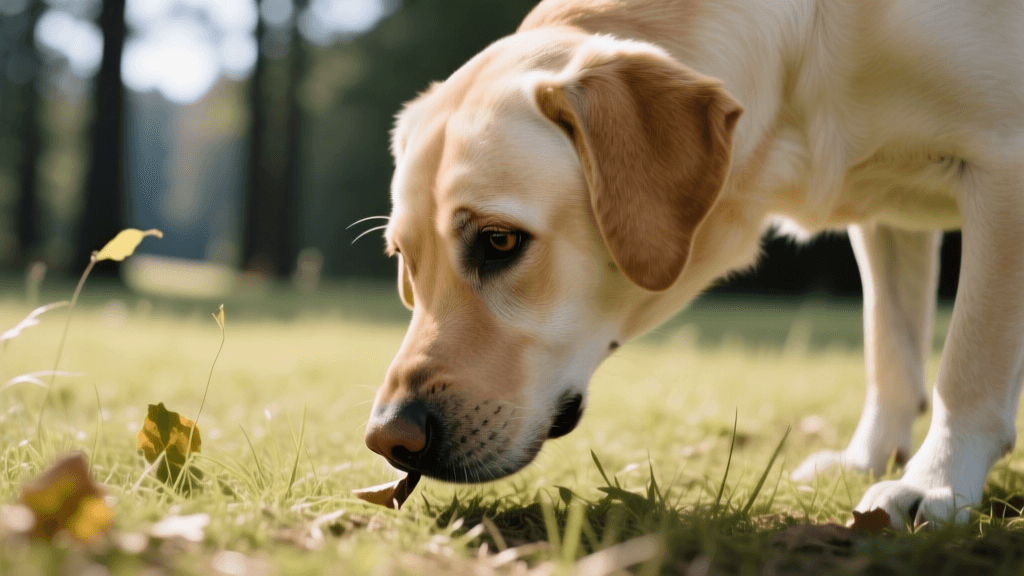
When a dog feels stressed or overwhelmed, they will often exhibit "calming signals"—a term popularized by Norwegian dog behaviorist Turid Rugaas. These signals include lip licking (when no food is present), yawning (when not tired), turning the head away, or sniffing the ground intently. The dog is attempting to self-soothe and de-escalate a perceived threat.
The critical mistake occurs when an owner interprets a yawn or a look-away as stubbornness or disobedience during a training session or a stressful veterinary visit. If you force a dog to "look at me" while they are actively trying to communicate that they are overwhelmed, you are punishing them for speaking their native language.
Actionable Advice: Implement Decompression Walks
If your dog is displaying frequent calming signals on a standard neighborhood walk, they are likely overstimulated. Switch to a decompression walk protocol:
- The Gear: Ditch the retractable leash. Use a 15-foot Biothane long line (brands like High Tail Dreams or Etsy makers cost around $25-$35). Biothane is waterproof, easy to clean, and won't burn your hands.
- The Harness: Attach the long line to a well-fitted Y-front harness (like the Perfect Fit or Ruffwear Front Range, approx. $40-$50) to allow full shoulder extension.
- The Timing: Allow 20 to 45 minutes in a low-traffic, nature-rich area. Let the dog sniff as much as they want. Sniffing lowers a dog's heart rate and releases dopamine.
Mistake 3: Confusing Tail Wagging with Happiness
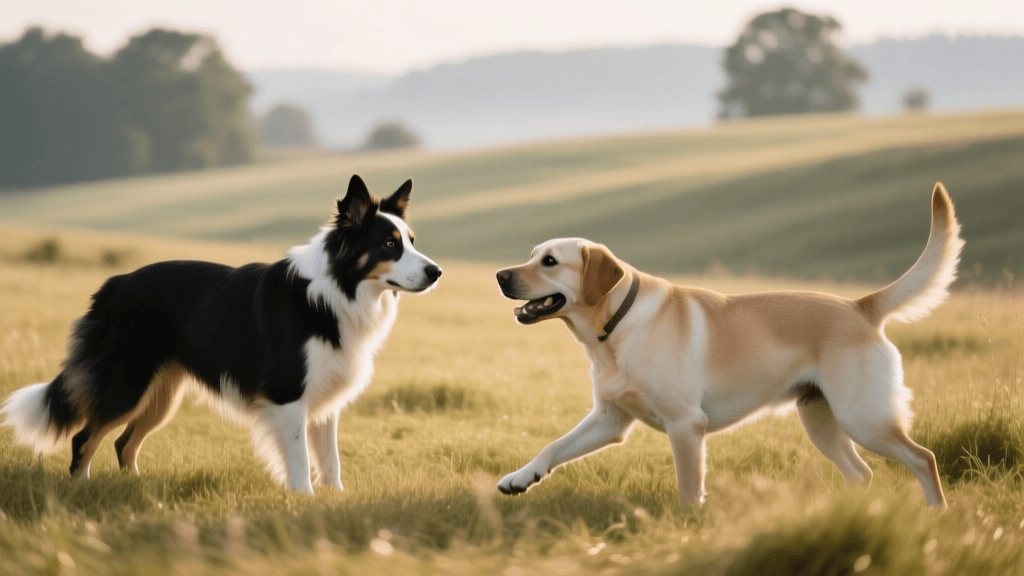
Perhaps the most dangerous myth in dog ownership is the idea that a wagging tail always equals a happy dog. A tail wag simply indicates arousal or engagement, which can be positive, negative, fearful, or aggressive. Misreading a high, stiff tail wag as an invitation to pet a dog is a leading cause of preventable bite incidents.
The AKC notes that you must look at the whole picture: the base of the tail, the speed of the wag, and the rest of the body's tension.
Tail Wagging Translation Chart
| Tail Signal | Emotional State | Action Required |
|---|---|---|
| High, stiff, rapid tip vibrating | High arousal, potential aggression or extreme alertness | Stop approach, increase distance, do not make direct eye contact |
| Loose, full-body helicopter wag | Overjoyed, friendly, highly social | Engage, reward calm behavior, allow greeting if appropriate |
| Tucked tightly between legs | Extreme fear, submission, anxiety | Remove stressor immediately, offer a safe, quiet space |
| Slow, tentative side-to-side | Uncertainty, cognitive processing, appeasement | Give space, avoid looming over the dog, speak in a soft tone |
Mistake 4: Forcing Greetings During Displacement Behaviors
Displacement behaviors occur when a dog experiences conflicting emotions—such as wanting to greet a stranger but feeling fearful at the same time. Common displacement behaviors include sudden, out-of-context scratching, shaking off (as if wet when they are dry), or intense, frantic ground sniffing.
When a stranger approaches and your dog suddenly starts scratching their neck or sniffing a barren patch of concrete, they are politely asking for space. Forcing the interaction by saying, "It's okay, say hi!" while pulling the leash taut floods the dog's nervous system with cortisol.
Actionable Advice: The 3-Second Consent Test
Empower your dog to choose their interactions using the 3-Second Consent Test:
- Allow the stranger to offer a hand or stand nearby without looming.
- Pet the dog gently on the chest or shoulder (avoid reaching over the head) for exactly 3 seconds.
- Stop and pull your hand away. Observe the dog's reaction.
- If the dog leans in, nudges your hand, or offers soft eyes, they are consenting to more interaction. If they look away, shake off, or step back, the interaction is over. Respect the "no."
Mistake 5: Ignoring the Freeze Response and "Whale Eye"
Many owners believe that a dog will always growl before biting. While growling is a vital warning sign, it is not the first step on the ladder of aggression. By the time a dog growls, they have likely already tried yawning, lip licking, and turning away. If those signals were ignored or punished, the dog may skip straight to a bite.
Two of the most critical, yet frequently missed, pre-bite signals are "Whale Eye" (where the dog turns its head away but keeps its eyes fixed on the stressor, showing the whites of the eyes) and the Freeze Response. A dog that goes completely rigid and stops panting is a dog that is milliseconds away from a defensive strike.
As veterinary behaviorists often warn: Punishing a dog for growling is like taking the batteries out of a smoke detector. It stops the warning, but the fire is still burning.
Actionable Advice: Muzzle Conditioning and Advocacy
If your dog displays whale eye or freezing, you must advocate for their space immediately. Furthermore, muzzle training should be a standard part of every dog's education, not just a punishment for "bad" dogs.
- The Right Muzzle: Invest in a Baskerville Ultra Muzzle ($15-$22). Unlike cheap fabric muzzles that clamp the mouth shut (preventing panting and causing dangerous overheating), the Baskerville allows full panting, drinking, and treat-receiving.
- Conditioning Protocol: Spend 5 to 10 minutes daily using high-value treats like Vital Essentials Freeze-Dried Minnows ($10 for a 2oz bag). Smear peanut butter or plain Greek yogurt on the inside of the muzzle and let the dog voluntarily push their nose in. Never force it on.
- Advocate: Use visual cues like a yellow ribbon on the leash or a "Do Not Pet" vest to signal to strangers that your dog requires space. The ASPCA strongly recommends managing your dog's environment to prevent them from being pushed past their stress threshold.
Conclusion: Becoming a Fluent Dog Speaker
Understanding your dog's body language is an ongoing journey of observation, empathy, and education. By avoiding these five common mistakes—misreading guilt, punishing calming signals, misinterpreting tail wags, forcing greetings, and ignoring freeze responses—you transition from being a simple owner to a trusted advocate. Pay attention to the subtle whispers of your dog's body language so you never have to hear them shout. Your bond, and your dog's emotional well-being, depend on it.
aaron-whyte
All our authors care for dogs every day — read more of their work on the authors page.