Best DIY Puppy Teething Toys and Homemade Soothing Treats
Discover safe, budget-friendly DIY puppy teething toys and homemade frozen treats to soothe your pup's sore gums during their first year.
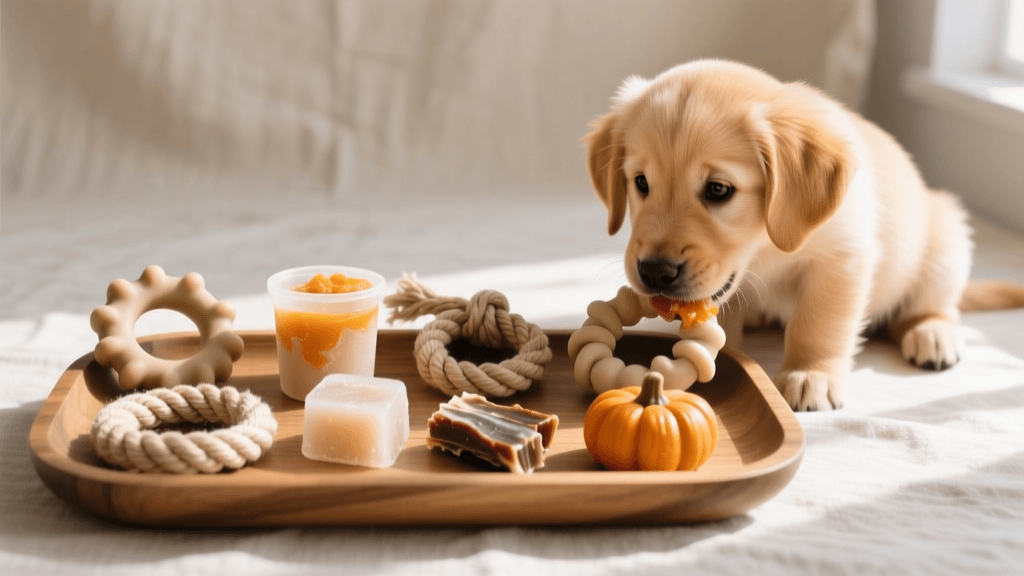
Welcoming a new puppy into your home is an exhilarating experience, but it quickly becomes apparent that puppies explore the world primarily through their mouths. During the first year of life, your furry friend will go through several developmental milestones, with teething being one of the most challenging phases for both the pup and the pet parent. As those needle-sharp baby teeth erupt and eventually give way to adult teeth, your puppy will experience significant gum discomfort. This natural urge to chew can lead to destroyed shoes, gnawed furniture legs, and a frustrated household. While pet stores are lined with expensive commercial chew toys and frozen treats, you can easily create effective, safe, and budget-friendly alternatives right in your own kitchen. In this comprehensive guide, we will explore the best DIY puppy teething toys and homemade soothing treats that will save your belongings, soothe your pup’s sore gums, and keep your wallet happy.
The Science of Puppy Teething
Before diving into DIY solutions, it is essential to understand what your puppy is going through. According to the American Kennel Club (AKC), puppies are born without teeth. Their deciduous (baby) teeth begin to erupt at around three to six weeks of age. By the time they are eight weeks old, they usually have a full set of 28 sharp baby teeth. The most intense teething phase occurs between 12 and 16 weeks when these baby teeth start falling out to make room for 42 adult teeth. This process can cause inflammation, bleeding gums, and a relentless need to chew on anything that provides counter-pressure. Providing appropriate, soothing outlets is not just about saving your baseboards; it is a critical component of early puppy care and behavioral development.
Top 3 DIY Puppy Teething Toys
Creating your own toys allows you to control the materials, ensuring they are non-toxic and appropriately sized for your specific breed.
1. The Braided Polar Fleece Tug Toy
Commercial rope toys can sometimes fray into dangerous strings that cause intestinal blockages. Polar fleece is a safer alternative because it stretches and is less likely to splinter. Materials needed: Three strips of heavy-duty polar fleece (each 3 inches wide and 4 feet long). Cost: Approximately $3. Instructions: Line up the three strips and tie a secure overhand knot at one end, leaving a small tassel. Braid the strips tightly together, pulling firmly to ensure the braid is dense. Tie another secure knot at the opposite end. The thick, soft braid is excellent for massaging sore gums, and the fleece material is gentle on emerging adult teeth. Always supervise your puppy during tug-of-war sessions to ensure they are not biting off and swallowing large chunks of fabric.
2. The Frozen Chamomile Washcloth
Cold temperatures are incredibly effective at numbing inflamed gums and reducing swelling. Materials needed: One clean, unscented cotton washcloth, one cup of brewed chamomile tea (cooled completely), and a cup of water. Cost: Less than $1. Instructions: Brew a weak batch of chamomile tea and let it cool in the refrigerator. Chamomile is known for its mild, natural calming properties, which can help soothe a fussy, overtired puppy. Mix the tea with an equal part of plain water. Submerge the washcloth in the liquid, wring it out so it is damp but not dripping, and twist it into a tight rope. Place the twisted washcloth in a ziplock bag and freeze it for at least four hours. The resulting frozen rope provides a firm, icy surface for your puppy to gnaw on. Discard the washcloth once it begins to unravel or tear.
3. The Muffin Tin Foraging Puzzle
Mental enrichment is just as tiring as physical exercise, and puzzle toys help redirect a puppy's chewing energy into problem-solving. Materials needed: A standard 12-cup metal or silicone muffin tin, a handful of your puppy’s regular kibble, and 12 tennis balls (ensure they are appropriately sized so they cannot be swallowed). Cost: $5 (assuming you already own a muffin tin). Instructions: Scatter a few pieces of kibble into the bottom of each muffin cup. Place a tennis ball on top of each cup to cover the food. Your puppy will have to use their nose and paws to dislodge the balls and access the treats. This DIY puzzle slows down fast eaters, provides mental stimulation, and keeps them occupied without requiring them to chew on inappropriate household items.
Homemade Frozen Soothing Treats
Edible chews are another fantastic way to relieve teething pain. However, many store-bought rawhides or flavored chews contain artificial preservatives, high sodium levels, or pose choking hazards. By making your own frozen treats, you control every single ingredient.
1. Canine-Safe Bone Broth Pupsicles
Bone broth is rich in glucosamine and chondroitin, which support joint health, and it is highly palatable for dogs. Materials needed: Low-sodium, onion-free, and garlic-free beef or chicken bone broth, silicone ice cube trays or specialized dog treat molds. Cost: $4 per batch. Instructions: It is absolutely vital to check the ingredient label on the broth. Many commercial broths contain onion or garlic powder, both of which are highly toxic to dogs and can cause hemolytic anemia. Pour the safe, approved broth into the molds. For added texture and dental scraping benefits, drop a few dog-safe blueberries or finely grated carrots into each compartment before freezing. Freeze overnight and serve one or two cubes as a midday snack.
2. Peanut Butter, Banana, and Yogurt Bites
This creamy, sweet mixture is a favorite among dogs and provides a great source of probiotics and potassium. Materials needed: One ripe banana, half a cup of plain, unsweetened Greek yogurt, and two tablespoons of 100% pure peanut butter. Cost: $3 per batch. Instructions: In a bowl, mash the banana until it reaches a smooth consistency. Mix in the Greek yogurt and peanut butter. Before freezing, you must verify that the peanut butter does not contain xylitol (sometimes listed as birch sugar), an artificial sweetener that is fatally toxic to dogs even in minute quantities, as warned by the ASPCA Animal Poison Control. Spoon the mixture into silicone molds and freeze until solid. These treats are perfect for stuffing inside a rubber Kong toy to extend playtime and provide prolonged gum relief.
Comparison Chart: Commercial vs. DIY Solutions
To understand the true value of homemade puppy care solutions, consider the following comparison between store-bought products and DIY alternatives.
| Feature | Commercial Toys & Treats | DIY Homemade Solutions |
|---|---|---|
| Average Cost | $10 - $25 per item | $1 - $5 per batch/item |
| Ingredient Control | Low (hidden preservatives) | High (100% transparent) |
| Customization | Limited to available sizes | Tailored to puppy's breed/size |
| Preparation Time | None (ready to use) | 10-15 minutes prep + freezing |
| Safety Monitoring | Recalls happen frequently | Monitored directly by owner |
Crucial Safety Rules for DIY Puppy Care
While DIY solutions are incredibly beneficial, they require strict adherence to safety protocols. Puppies have fragile digestive tracts and a tendency to swallow objects whole. The Humane Society of the United States emphasizes that any toy given to a dog must be appropriately sized to prevent choking and should be discarded immediately if it begins to break apart. When using household items like washcloths or fleece, never leave your puppy unattended. If your puppy manages to tear off and ingest a piece of fabric, it can lead to a life-threatening gastrointestinal blockage requiring emergency surgery. Furthermore, always introduce new foods like yogurt or peanut butter in small quantities to monitor for allergic reactions or stomach upset. Avoid using cooked bones from your own meals, as they can splinter and puncture the digestive tract; stick strictly to liquid broths or commercially prepared, veterinarian-approved dental chews for harder chewing needs.
Conclusion
Navigating the puppy teething phase requires patience, consistency, and a bit of creativity. By incorporating these DIY puppy teething toys and homemade soothing treats into your daily routine, you can effectively manage your puppy’s discomfort while fostering a strong bond through interactive play and positive reinforcement. Remember that teething is a temporary developmental milestone, but the safe chewing habits you establish during this first year will benefit your dog for a lifetime. Embrace the DIY approach, keep a close eye on your pup, and enjoy the journey of raising a happy, healthy, and well-adjusted companion.
priya-sutaria
All our authors care for dogs every day — read more of their work on the authors page.