DIY Puppy Teething Toys: Safe Homemade Soothing Remedies
Discover safe, budget-friendly DIY puppy teething toys and homemade soothing remedies to help your pup through their painful teething stage.
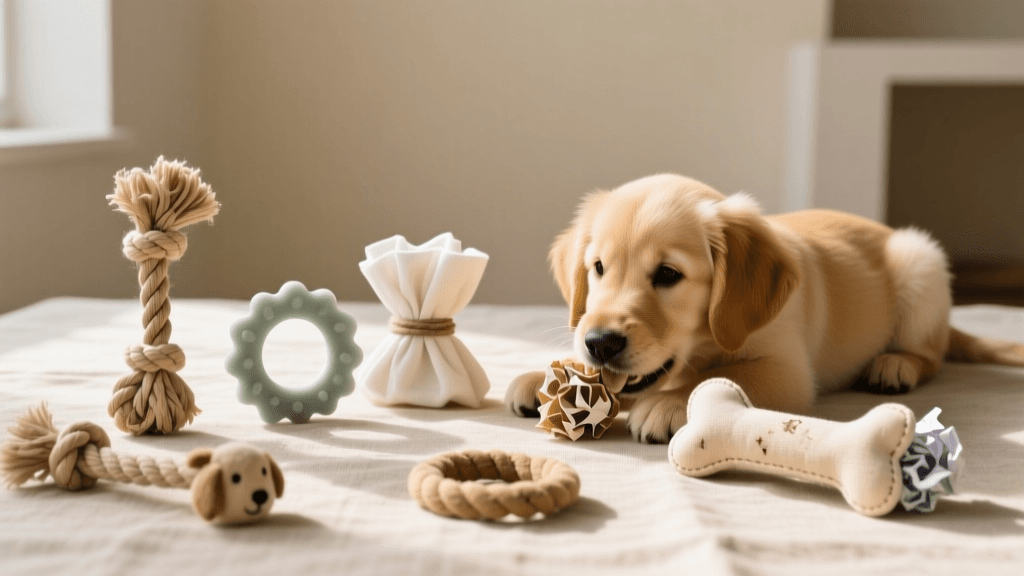
Bringing a new puppy home is an exhilarating experience, but it quickly becomes apparent that those tiny, needle-like teeth are on a mission to destroy your favorite shoes, furniture legs, and fingers. Puppy teething is a natural, albeit painful, developmental milestone. As your puppy's baby teeth fall out and adult teeth push through their sensitive gums, they will have an overwhelming biological urge to chew to relieve the pressure and discomfort. While pet stores are lined with expensive rubber toys and edible chews, many dog owners are turning to DIY and homemade solutions. Not only do homemade puppy teething toys save you a significant amount of money, but they also allow you to control exactly what materials and ingredients your puppy is putting in their mouth. In this comprehensive guide, we will explore the puppy teething timeline, compare the costs of store-bought versus DIY toys, and provide you with actionable, vet-approved recipes for homemade teething remedies.
The Puppy Teething Timeline
Understanding when your puppy is teething is crucial for providing the right relief at the right time. According to the American Kennel Club (AKC), puppies go through several distinct dental stages during their first year. Puppies are born without teeth. Around three to six weeks of age, their deciduous (baby) teeth begin to erupt. By the time you bring your puppy home at eight weeks, they usually have a full set of 28 sharp baby teeth. The most intense teething phase begins around 12 to 16 weeks when the adult teeth start pushing the baby teeth out. This is when you will find tiny teeth on the floor and notice an increase in destructive chewing. By six to eight months, most puppies have their full set of 42 adult teeth. Knowing this timeline helps you prepare your DIY freezer stash before the peak chewing weeks hit.
Store-Bought vs. DIY Teething Toys: A Cost Comparison
Before diving into the recipes, it is helpful to look at the financial and practical benefits of making your own teething aids. Below is a comparison chart detailing the average costs and safety profiles of commercial options versus homemade alternatives.
| Item Type | Estimated Cost | Durability | Safety & Ingredients |
|---|---|---|---|
| Commercial Rubber Chew Toy | $12 - $25 | High | Safe, but can harbor bacteria in grooves over time. |
| Commercial Edible Dental Chew | $1.50 - $3.00 per chew | Low (Minutes) | Often contains artificial colors, preservatives, and high calories. |
| Rawhide Bones | $5 - $15 | Medium | High risk of choking, intestinal blockage, and chemical processing. |
| DIY Frozen Broth T-Shirt Braid | $0.50 (Cost of broth) | Medium | 100% natural, soothing cold temperature, easily washable. |
| DIY Frozen Whole Carrot | $0.20 per carrot | Medium | Rich in beta-carotene, low calorie, completely digestible. |
As the table illustrates, DIY solutions are exponentially cheaper and allow you to avoid the hidden chemicals and choking hazards associated with some commercial chews, particularly rawhide.
5 Safe and Effective DIY Puppy Teething Toys
1. The Frozen Broth-Soaked Braided T-Shirt
This is a classic, highly effective DIY toy that provides both texture and cooling relief. Take an old, clean 100% cotton t-shirt (avoid synthetic materials that can melt or splinter) and cut it into three long strips, each about two inches wide. Braid the strips tightly together and knot both ends securely. Next, soak the braided shirt in low-sodium, onion-free, and garlic-free chicken or beef bone broth. Wring it out slightly so it is damp but not dripping, and place it in the freezer for at least four hours. The frozen broth provides a delicious, savory flavor that encourages chewing, while the icy cotton numbs sore gums. Cost: Less than $1.00. Supervision: Always monitor your puppy to ensure they do not swallow large pieces of the fabric.
2. The Soothing Frozen Carrot
Carrots are a fantastic, low-calorie, vitamin-rich alternative to commercial edible chews. Purchase large, thick whole carrots. Peel them to remove any dirt or bitter outer skin, and wash them thoroughly. Place the whole carrots in the freezer overnight. The freezing process changes the cellular structure of the carrot, making it incredibly hard and durable, much like a natural ice pop. As your puppy chews, the carrot slowly thaws, providing a satisfying crunch and a gentle massage to inflamed gums. Cost: Approximately $0.20 per chew. Safety Note: Discard the carrot once it becomes small enough to be swallowed whole to prevent choking.
3. The Baked Sweet Potato Chew
Sweet potatoes are highly digestible and naturally sweet, making them a favorite among puppies. To create a durable chew, wash a large sweet potato and slice it into thick, half-inch rounds. Place the slices on a baking sheet and bake at 250°F (120°C) for about two to three hours, or until they are dehydrated and leathery but not completely brittle. Let them cool completely, then freeze them. The leathery texture is excellent for scraping plaque off emerging adult teeth, and the cold temperature soothes the gums. Cost: Around $0.50 per batch. Storage: Keep these in an airtight container in the freezer to prevent mold.
4. The Sanitized Knotted Cotton Rope
Rope toys are excellent for dental health because the fibers act like dental floss, cleaning between the teeth. However, commercial rope toys can be expensive and often collect bacteria. You can make your own using 100% natural, unbleached cotton rope from a hardware or craft store. Cut a length of rope about 12 to 18 inches long, depending on your puppy's size. Tie large, tight overhand knots at both ends, and one or two in the middle. Before giving it to your puppy, boil the rope in a pot of plain water for 10 minutes to sanitize it and soften the fibers slightly. Let it cool, soak it in water, and freeze it for a cold, textured chewing experience. Cost: $2.00 for multiple ropes. Maintenance: Boil the rope once a week to keep it sanitary.
5. The Chamomile Washcloth Twist
Chamomile is well-known for its natural calming and anti-inflammatory properties. Brew a strong cup of dog-safe chamomile tea (ensure it contains no added caffeine, xylitol, or toxic herbs) and let it cool completely to room temperature. Take a clean, unused cotton washcloth, soak it in the chamomile tea, and wring out the excess moisture. Twist the washcloth tightly into a spiral shape and place it in a Ziploc bag in the freezer. The twisted shape creates ridges that feel amazing on itchy gums, and the chamomile helps reduce localized inflammation. Cost: Pennies per use. Timing: Freeze for at least two hours before use.
Homemade Soothing Remedies for Sore Gums
Beyond physical toys, you can create homemade edible remedies to soothe your puppy's mouth from the inside out.
- Bone Broth Pupsicles: Boil beef marrow bones or chicken carcasses in a slow cooker for 24 hours with a splash of apple cider vinegar (to extract minerals). Crucial: Do not add onions, garlic, or salt. Strain the broth, skim off the excess fat once cooled, and pour the liquid into silicone ice cube trays. Freeze and serve one or two cubes as a hydrating, soothing treat.
- Mashed Banana and Plain Yogurt Bites: Mash one ripe banana and mix it with half a cup of plain, unsweetened Greek yogurt. The yogurt contains probiotics for gut health, while the banana provides potassium and a soft texture. Spoon the mixture into small molds and freeze. The cold yogurt coats the gums, providing immediate relief.
- Shaved Ice Treats: While whole ice cubes can sometimes be too hard and risk chipping a fragile baby tooth, shaved ice is perfectly safe. Blend plain ice cubes in a food processor until it resembles snow, and serve it in a bowl. Puppies love the crunch, and it safely numbs their mouths.
Important Safety Rule: No matter how safe a DIY toy or remedy seems, you must always supervise your puppy while they are chewing. Puppies have a habit of breaking off pieces and attempting to swallow them whole, which can lead to gastrointestinal blockages or choking.
Dangerous DIY Hacks to Avoid
Not all internet DIY hacks are safe for puppies. The Cornell University Veterinary Dentistry department and other veterinary professionals strongly warn against several common homemade teething solutions:
- Weight-Bearing Animal Bones: Giving puppies cooked or raw weight-bearing bones (like beef femur bones) is a recipe for disaster. These bones are harder than a puppy's developing tooth enamel and frequently cause slab fractures of the carnassial teeth, requiring expensive surgical extractions.
- Sticks and Wood from the Yard: While it seems natural, wood splinters easily. These sharp splinters can become lodged in the gums, the roof of the mouth, or pierce the esophagus and intestinal tract.
- Aloe Vera Gel: Some human teething remedies use aloe vera for its cooling effect. However, aloe vera contains saponins, which are toxic to dogs and can cause vomiting, diarrhea, and lethargy if ingested.
- Plastic Water Bottles: Some owners put treats inside empty plastic bottles. Puppies can easily crush the plastic, creating razor-sharp shards that can slice their gums or cause internal bleeding if swallowed.
When to Consult Your Veterinarian
While teething is a normal process that can be managed at home with DIY solutions, there are times when professional veterinary intervention is necessary. As noted by the ASPCA, regular veterinary checkups are vital during the first year to monitor dental development. You should schedule an immediate vet visit if you notice any of the following red flags:
- Retained Deciduous Teeth: If you see an adult tooth erupting but the baby tooth has not fallen out (often called 'shark teeth'), your vet may need to extract the baby tooth to prevent crowding and misalignment of the adult jaw.
- Excessive Bleeding: A tiny spot of blood on a chew toy is normal. However, if your puppy's mouth is actively bleeding or they are constantly pawing at their face in distress, seek veterinary care.
- Refusal to Eat: If your puppy is skipping meals or dropping food from their mouth, the pain may be severe, or there could be an underlying infection or fractured tooth requiring medical attention.
- Facial Swelling: Swelling around the muzzle or under the eyes is a primary indicator of a dental abscess or severe infection and requires immediate antibiotic treatment.
By utilizing these safe, budget-friendly DIY puppy teething toys and homemade remedies, you can save your furniture, protect your wallet, and most importantly, provide your growing puppy with the comforting relief they desperately need during this challenging developmental milestone. Remember to stock your freezer, supervise playtime, and enjoy the journey of raising a happy, healthy, and well-adjusted adult dog.
robin-maitland
All our authors care for dogs every day — read more of their work on the authors page.