How To Calm A Puppy At Night
Learn about how to calm a puppy at night with expert tips and data-backed advice.
The First Nights Home: What Your Puppy Is Experiencing
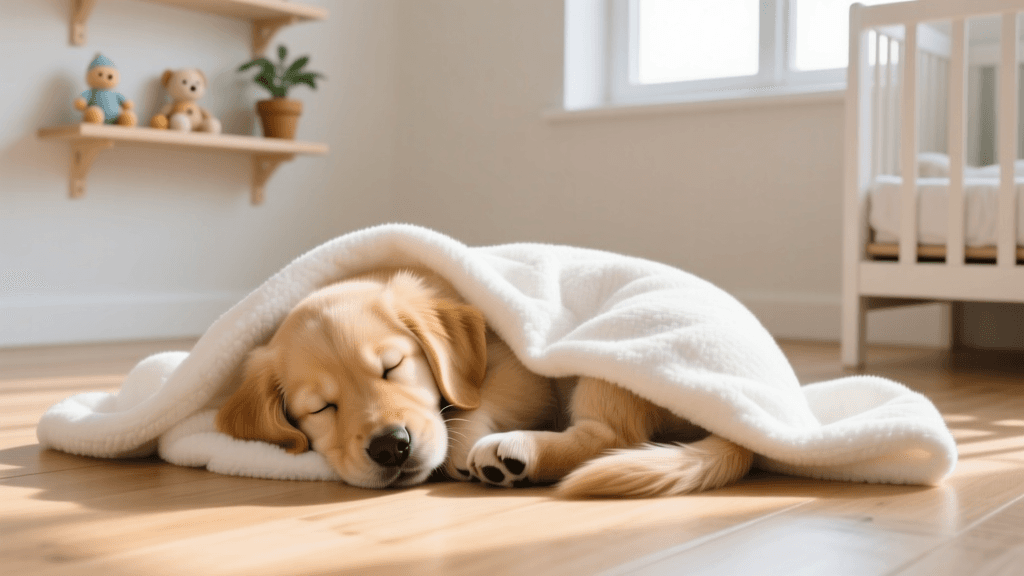
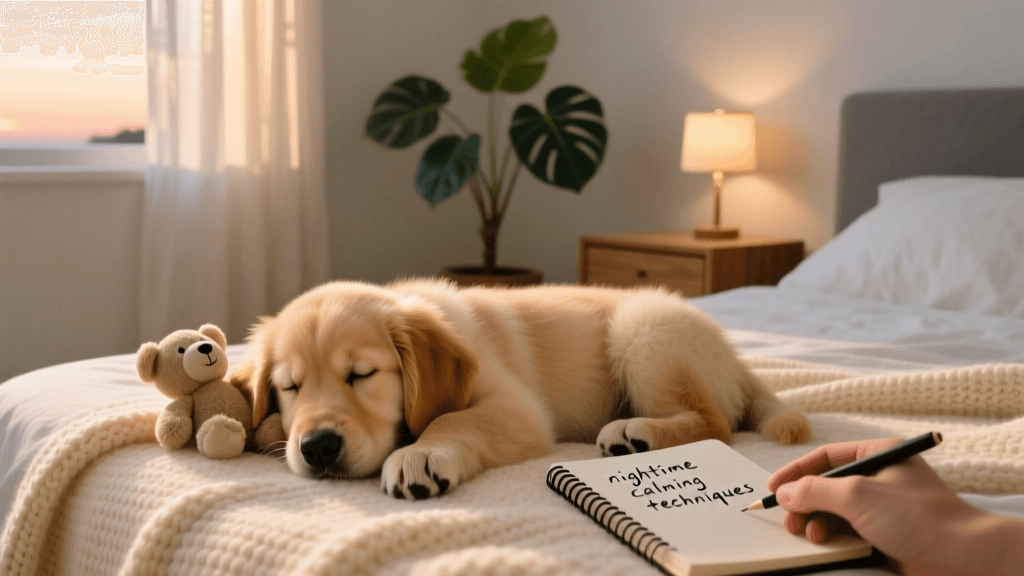
Bringing a puppy home is one of the most exciting moments in a dog owner's life, but those first nights can quickly become exhausting for both of you. Your new puppy has just been separated from its mother and littermates — the only warmth, scent, and comfort it has ever known. The whining, crying, and restlessness you hear at 2 a.m. are not signs of a difficult dog. They are the entirely normal responses of a young animal adjusting to a dramatic change in its environment.
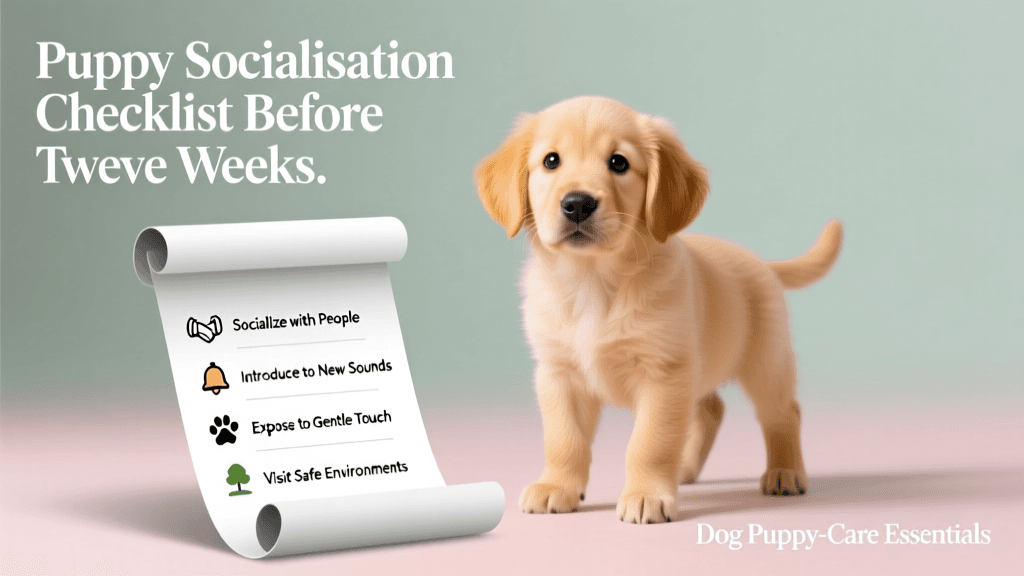
Understanding what your puppy is going through developmentally makes it much easier to respond with patience and the right techniques. Most puppies are rehomed between 8 and 12 weeks of age, a period that falls squarely within what animal behaviorists call the socialization window — roughly 3 to 14 weeks. During this time, the puppy's brain is highly plastic and experiences leave lasting impressions. How you handle nighttime distress in these early weeks can shape your dog's relationship with sleep, separation, and security for years to come.
Understanding Puppy Sleep Needs by Age
Puppies sleep far more than adult dogs. A healthy 8-week-old puppy needs between 16 and 20 hours of sleep per day, according to guidance published by the American Kennel Club (AKC, 2023). That sleep, however, is distributed across many short cycles rather than consolidated into long overnight stretches. Expecting a young puppy to sleep through an 8-hour night without waking is unrealistic and sets both owner and puppy up for frustration.
As puppies mature, their capacity for uninterrupted sleep increases. By around 16 weeks, many puppies can manage a 6-hour stretch overnight, provided they have been given consistent routines and appropriate exercise. By 6 months, most dogs can sleep through the night reliably, though individual variation is significant depending on breed, temperament, and training history.
"Puppies are not small adult dogs. Their nervous systems, bladder capacity, and emotional regulation are all still developing. Nighttime waking is a developmental norm, not a behavioral problem." — Dr. Ian Dunbar, veterinary behaviorist and founder of the Association of Pet Dog Trainers (APDT)
Sleep Milestones in the First Six Months
Tracking your puppy's sleep development helps you set realistic expectations and notice if something seems off. The following table outlines approximate sleep patterns by age:
| Age | Total Daily Sleep | Longest Overnight Stretch | Bladder Hold Time |
|---|---|---|---|
| 8 weeks | 18–20 hours | 2–3 hours | 1–2 hours |
| 10–12 weeks | 16–18 hours | 3–4 hours | 2–3 hours |
| 16 weeks | 14–16 hours | 5–6 hours | 3–4 hours |
| 6 months | 12–14 hours | 7–8 hours | 4–6 hours |
A general rule of thumb from veterinary sources is that a puppy can hold its bladder for approximately one hour per month of age, plus one. So an 8-week-old (2 months) can typically manage around 3 hours maximum. Planning your nighttime toilet trips around this guideline prevents accidents and reduces the distress that comes from a puppy crying because it genuinely needs to go outside.
Setting Up a Sleep Environment That Promotes Calm
The physical environment where your puppy sleeps has an enormous impact on how quickly it settles. Dogs are den animals by instinct, and a well-configured sleeping space taps into that instinct to create a sense of safety rather than exposure.
Crate training, when done correctly, is one of the most effective tools available. A crate should be just large enough for the puppy to stand, turn around, and lie down comfortably. Too large a crate can actually increase anxiety because the puppy loses the enclosed, den-like feeling. Line it with a soft blanket and, if possible, include an item of clothing that carries your scent — this has been shown in studies at the University of Lincoln's Animal Behaviour Cognition and Welfare Group to reduce stress indicators in newly separated puppies.
Temperature, Sound, and Light
Young puppies are not yet able to regulate their body temperature efficiently. The ideal ambient temperature for a sleeping puppy under 12 weeks is between 75°F and 80°F (24°C–27°C), according to guidance from the Royal Veterinary College (RVC, 2022). A low-wattage heat pad placed under one half of the crate bedding — never the whole surface — allows the puppy to self-regulate by moving toward or away from the warmth.
White noise or a ticking clock placed near the crate can mimic the sounds of a littermate's heartbeat and the ambient noise of a busy whelping area. Several breeders at the Kennel Club of Great Britain recommend placing a warm water bottle wrapped in a towel inside the crate for the first week, providing tactile comfort that approximates the warmth of siblings.
Keep the room dimly lit or dark. Bright light signals daytime to a puppy's developing circadian system and can actively work against your efforts to establish a nighttime routine.
Building a Consistent Bedtime Routine
Puppies thrive on predictability. A consistent pre-sleep routine signals to the puppy's nervous system that rest is coming, gradually reducing arousal levels in the hour before bed. This is not unlike the bedtime routines recommended for human infants by pediatric sleep specialists — the principle of conditioned relaxation applies across species.
A practical evening routine might look like this:
- 6:00–7:00 p.m.: Final active play session of the day — keep it moderate, not overstimulating
- 7:00 p.m.: Last meal of the day (for puppies under 12 weeks, this may be the third of three daily meals)
- 7:30 p.m.: Calm, low-energy interaction — gentle grooming, quiet sitting together
- 8:00 p.m.: Final toilet trip outside
- 8:15 p.m.: Puppy into crate with a chew toy or stuffed Kong; lights dimmed
- 10:00–11:00 p.m.: Owner-initiated toilet trip before their own bedtime
The key is consistency. Running the same sequence every night, even on weekends, accelerates the puppy's ability to anticipate sleep and reduces the anxiety that comes from unpredictability.
Feeding Schedules and Their Effect on Night Waking
What and when you feed your puppy directly affects nighttime behavior. Puppies under 12 weeks generally need three meals per day, spaced roughly 6 to 8 hours apart. Feeding the last meal too close to bedtime increases the likelihood of nighttime toilet needs and digestive discomfort. Aim to feed the final meal at least 2 hours before the puppy's intended sleep time.
Avoid free-feeding (leaving food available at all times) during the early weeks. Scheduled meals give you control over when the puppy's digestive system is active, making toilet timing far more predictable. The Cornell University College of Veterinary Medicine recommends transitioning puppies to two meals per day around 6 months of age, once their digestive systems are more mature.
Responding to Nighttime Crying Without Reinforcing It
This is the question that divides puppy owners more than almost any other: should you respond to nighttime crying, or will doing so teach the puppy that crying gets results?
The answer depends on the age of the puppy and the nature of the crying. For puppies under 10 weeks, responding to distress is appropriate and important. These animals are not yet capable of self-soothing in the way an older dog can, and leaving them to cry without any response can elevate cortisol levels and create negative associations with the sleeping space. Research published by the Norwegian Veterinary Institute (2021) found that puppies separated abruptly and left to cry without any owner response showed higher rates of separation anxiety at 18 months compared to those whose owners used a gradual settling approach.
A gradual settling approach does not mean picking the puppy up every time it whimpers. It means:
- Waiting 2–3 minutes before responding to low-level whining to allow the puppy the opportunity to settle on its own
- If the crying escalates, going to the puppy calmly — no excited greetings, no bright lights, no play
- Placing a hand on the puppy briefly to reassure it, then withdrawing
- If a toilet trip is needed, taking the puppy outside quietly and returning it to the crate immediately after, without extended interaction
- Gradually increasing the time before responding as the puppy matures and demonstrates the ability to settle
The goal is to communicate that you are present and the environment is safe, without turning nighttime waking into a rewarding social event. Over 2 to 4 weeks, most puppies raised with this approach show a measurable reduction in nighttime vocalization.
Tools and Aids That Can Help
Several products and techniques have evidence or strong anecdotal support from veterinary and training communities for reducing nighttime anxiety in puppies.
Adaptil (DAP) diffusers release a synthetic version of the pheromone produced by nursing mothers, known as the dog-appeasing pheromone. A 2006 study published in the Journal of Veterinary Behavior found that puppies exposed to DAP in their sleeping environment showed significantly reduced vocalization and increased time spent sleeping compared to a control group. Plug the diffuser in the room where the puppy sleeps 24 hours before bringing the puppy home for best effect.
Snuggle Puppy toys contain a battery-operated heartbeat simulator and a heat pack. Multiple breeders affiliated with the Kennel Club of Great Britain report that puppies given a Snuggle Puppy on their first night settle 30–50% faster than those without one, based on informal breeder surveys.
Calming music designed specifically for dogs — characterized by slow tempos, simple melodies, and frequencies in the range of 50–100 Hz — has been studied at the Scottish SPCA's research facility in collaboration with the University of Glasgow. Their findings suggest that classical music and species-specific relaxation tracks reduce stress behaviors in kenneled dogs, and similar principles apply to home environments.
What to Avoid
Equally important is knowing what not to do in those difficult first nights:
- Do not bring the puppy into your bed out of desperation — this creates a habit that is very difficult to reverse and can compromise the puppy's ability to sleep independently
- Do not punish nighttime crying — the puppy is not being defiant; it is communicating genuine distress
- Do not use the crate as a punishment space during the day, as this destroys the positive association you are trying to build
- Do not skip the late-night toilet trip in the hope the puppy will sleep through — a puppy that wakes because it needs to eliminate and cannot will become increasingly distressed
- Do not vary the routine dramatically from night to night, as inconsistency prolongs the settling-in period
Most puppies, given a consistent environment, appropriate expectations, and a calm owner response, will be sleeping through the night or close to it by 12 to 16 weeks of age. The weeks before that milestone are genuinely hard, but they are finite. Keeping that perspective — and knowing that your responses in these early weeks are building the foundation for a secure, well-adjusted adult dog — makes the 3 a.m. wake-ups considerably easier to bear.
Jonas Cole
All our authors care for dogs every day — read more of their work on the authors page.