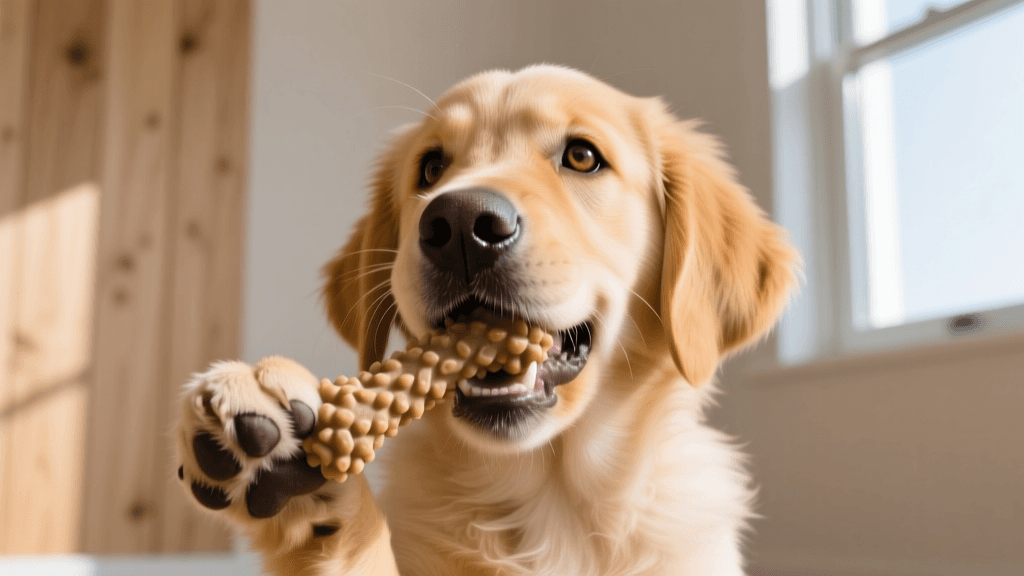
DIY Puppy Teething Toys: Safe Homemade Chews & Recipes
Discover safe, budget-friendly DIY puppy teething toys and homemade soothing chews. Relieve your pup's sore gums with these easy, vet-approved recipes.

Surviving the Land Shark Phase: A Guide to DIY Puppy Teething Solutions
Puppyhood is a magical time, but it comes with a notoriously difficult developmental milestone: teething. Between the ages of three and six months, your adorable furball may transform into a relentless chewing machine, gnawing on baseboards, shoes, and your favorite furniture. This behavior is not malicious; it is a biological imperative driven by intense oral discomfort as adult teeth push through sensitive gums. As a responsible pet parent, providing appropriate, soothing outlets for this chewing urge is essential for your puppy's dental health and your home's survival.
While pet stores are lined with expensive rubber toys and processed dental chews, some of the most effective, safe, and budget-friendly solutions can be crafted right in your own kitchen. In this comprehensive guide, we will explore DIY puppy teething toys and homemade soothing chews that relieve sore gums without breaking the bank, ensuring your puppy transitions into adulthood with a healthy, happy smile.
Understanding the Puppy Teething Timeline
Before crafting homemade solutions, it is helpful to understand what your puppy is experiencing. According to the American Kennel Club, puppies go through several distinct dental stages in their first year:
- 2 to 4 Weeks: Deciduous (baby) teeth begin to erupt. Puppies are usually still nursing and their sharp little teeth can be quite painful for the mother.
- 5 to 6 Weeks: All 28 baby teeth are typically fully erupted. This is when puppies start exploring the world with their mouths.
- 12 to 16 Weeks: Baby teeth begin to fall out to make room for adult teeth. You may find tiny teeth on the floor, though many puppies swallow them while eating.
- 6 Months and Older: All 42 adult teeth should be fully erupted. If baby teeth remain after this point, veterinary intervention may be required.
During the 12-to-24-week window, your puppy's gums will be inflamed, itchy, and sore. Cold temperatures and gentle pressure are the two most effective ways to provide relief, which is why frozen DIY toys are incredibly effective.
Crucial Safety Rules for DIY Dog Toys and Chews
When creating homemade solutions, safety must be your top priority. Not all human foods or household items are safe for canine consumption or play.
Avoid Toxic Ingredients
When making edible teething chews or stuffing DIY toys, you must avoid ingredients that are toxic to dogs. The ASPCA Animal Poison Control explicitly warns against feeding dogs xylitol (an artificial sweetener often found in peanut butter), onions, garlic, grapes, raisins, and macadamia nuts. Always read the ingredient label on any store-bought broth or peanut butter you use in your recipes to ensure they are free of these hidden dangers.
Never Use Cooked Bones
A common myth is that giving a puppy a leftover rib or chicken bone from dinner is a great natural chew. This is incredibly dangerous. The U.S. Food and Drug Administration warns that cooked bones become brittle and can easily splinter, causing severe internal lacerations, choking hazards, or intestinal blockages. Stick to plant-based vegetables, safe fruits, and commercially prepared raw or synthetic alternatives for edible chews.
4 Budget-Friendly DIY Puppy Teething Toys
These homemade toys are designed to provide the cold therapy and textured pressure that teething puppies crave.
1. The Frozen Washcloth Twist
This is arguably the simplest and most effective DIY teething toy for young puppies. The fabric provides a gentle flossing action, while the ice numbs sore gums.
- Materials: 1 clean, unused cotton washcloth, low-sodium chicken or beef broth (onion/garlic-free).
- Instructions: Soak the washcloth in the broth, wring it out so it is damp but not dripping, and twist it tightly into a rope shape. Tie a knot in the center and place it in a ziplock bag in the freezer for 3 to 4 hours.
- Cost: Under $2.00.
- Safety Note: Always supervise your puppy with fabric toys to prevent them from swallowing torn pieces of cloth.
2. Braided Fleece Tug Rope
Fleece is soft on developing teeth but durable enough to withstand aggressive chewing. It also holds the scent of frozen treats well.
- Materials: 3 to 4 long strips of heavy-duty fleece fabric (you can upcycle old blankets).
- Instructions: Knot the strips together at one end. Braid the fleece as tightly as possible, using a 4-strand braid for maximum thickness. Knot the other end securely. Soak the entire braid in water or broth and freeze overnight.
- Cost: $0 to $5.00 (depending on fabric sourcing).
3. The Sweet Potato Stuffable
If you want a natural, edible alternative to expensive rubber puzzle toys, the humble sweet potato is your best friend.
- Materials: 1 large, thick sweet potato, dog-safe peanut butter.
- Instructions: Wash the sweet potato and poke holes in it with a fork. Bake at 400°F (200°C) until tender but not mushy (about 45 minutes). Let it cool completely, then slice off the ends and use a spoon to carefully hollow out a channel through the center. Stuff the cavity with peanut butter and freeze for 2 hours.
- Cost: Approximately $1.50 per toy.
4. Carrot and Apple Ice Ring
This toy combines hydration, cold therapy, and healthy snacking.
- Materials: A silicone bundt pan or ring mold, diced carrots, diced apples (core and seeds removed), water.
- Instructions: Scatter the diced fruits and vegetables into the mold. Fill with water and freeze solid. Pop the ice ring out and let your puppy lick and chew on it in a crate or on a towel to manage the mess.
- Cost: Under $3.00.
Homemade Soothing Teething Treat Recipes
Edible chews can keep a puppy occupied for longer periods, promoting mental stimulation while soothing their mouth.
Recipe 1: Chamomile and Bone Broth Popsicles
Chamomile is widely recognized for its mild, natural calming properties and can help soothe an irritable, teething puppy. Combined with nutrient-rich bone broth, these popsicles are a powerhouse of relief.
- Brew 2 cups of plain chamomile tea using 2 tea bags. Allow it to steep for 15 minutes, then remove the bags and let the tea cool to room temperature.
- Mix the cooled tea with 1 cup of dog-safe, low-sodium bone broth (ensure it contains no onions or garlic).
- Pour the mixture into silicone ice cube trays or paw-shaped molds.
- Freeze for at least 4 hours before serving.
Recipe 2: Dehydrated Sweet Potato and Apple Chews
Dehydrated treats are chewy, long-lasting, and excellent for scraping plaque off new adult teeth. They are also much safer than rawhide, which can cause digestive blockages.
- Wash 2 large sweet potatoes and 1 large apple thoroughly. Leave the skins on the sweet potatoes for added fiber, but core the apple and remove all seeds (apple seeds contain trace amounts of cyanide).
- Slice both into 1/4-inch thick rounds or strips. A mandoline slicer works best for uniform thickness.
- Arrange the slices on a dehydrator tray in a single layer.
- Dehydrate at 135°F (57°C) for 8 to 12 hours, depending on how chewy or crisp you want the final treat to be.
- Store in an airtight container in the refrigerator for up to two weeks.
Comparison Chart: Store-Bought vs. DIY Teething Solutions
How do homemade options stack up against commercial products? Here is a breakdown to help you decide when to DIY and when to buy.
| Feature | Store-Bought Chews & Toys | DIY Homemade Solutions |
|---|---|---|
| Cost per Item | $8.00 - $25.00+ | $0.50 - $3.00 |
| Ingredient Control | Moderate (requires label reading) | Absolute (you control every ingredient) |
| Durability | High (especially vulcanized rubber) | Moderate (requires frequent replacement) |
| Prep Time | Zero (ready to use) | 15 mins to 12 hours (freezing/dehydrating) |
| Soothing Temperature | Varies (some can be frozen) | Excellent (most DIY recipes utilize freezing) |
While high-quality store-bought rubber toys are excellent for unsupervised crate time due to their extreme durability, DIY solutions are vastly superior for targeted cold therapy, budget management, and ensuring a 100% natural, chemical-free chewing experience.
Cleaning and Maintaining Homemade Toys
Hygiene is critical when dealing with items that spend hours in your puppy's mouth. Fabric-based DIY toys, like the fleece braid and washcloth twist, must be washed regularly to prevent bacterial buildup. After each use, rinse the toy in hot water. Once a week, launder fabric toys in your washing machine using a pet-safe, unscented detergent. Avoid fabric softeners, as the chemicals can cause gastrointestinal upset if ingested. For sweet potato stuffables, always discard the vegetable after a single use, as the porous flesh will harbor bacteria once it has been exposed to saliva and left at room temperature.
Monitoring Dental Health and Vet Visits
While DIY toys and chews are fantastic for managing discomfort, they do not replace professional veterinary care. During the teething phase, monitor your puppy's mouth weekly. It is normal to see tiny spots of blood on their toys or a slight increase in drooling. However, excessive bleeding, swelling that prevents eating, or a foul odor emanating from the mouth warrants an immediate vet visit.
Additionally, keep an eye out for retained deciduous teeth. This occurs when a baby tooth fails to fall out while the adult tooth erupts alongside it, creating a crowded, double row of teeth. This can lead to severe misalignment, bite issues, and trapped food that causes rapid decay. If you notice your puppy is six months old and still has baby teeth firmly in place, consult your veterinarian. They can safely extract the retained teeth, often during a scheduled spay or neuter procedure, ensuring your dog's adult teeth have the proper space to thrive.
Conclusion
The teething phase is a fleeting, albeit challenging, chapter in your puppy's first year. By utilizing these DIY puppy teething toys and homemade soothing chews, you can provide your pup with the immediate relief they need while saving money and avoiding unnecessary artificial additives. Remember to always supervise your puppy during chew time, prioritize safe, dog-friendly ingredients, and celebrate the milestones as your puppy grows into their adult smile. With a little creativity and preparation, you can turn a destructive chewing phase into a rewarding, bonding experience.
priya-sutaria
All our authors care for dogs every day — read more of their work on the authors page.