DIY Puppy-Proofing and Homemade Welcome Kits for Dogs
Learn how to prepare for your new dog with DIY puppy-proofing hacks and homemade welcome kits. Save money and create a safe, cozy space for your pup.
Preparing Your Home for a New Dog on a Budget
Bringing a new dog or puppy into your home is one of the most exciting milestones in life, but it can also be incredibly expensive. Between veterinary bills, high-quality kibble, and essential gear, the costs of pet ownership add up quickly. Many new owners rush to the pet store and spend hundreds of dollars on commercial puppy-proofing gadgets, welcome kits, and enrichment toys. However, with a little creativity, you can craft highly effective, homemade solutions that save money while keeping your new furry friend safe and stimulated.
According to the American Kennel Club (AKC), preparing your home before your dog arrives is critical to preventing destructive behaviors and accidental poisonings. In this comprehensive guide, we will explore actionable DIY puppy-proofing hacks, step-by-step instructions for a homemade welcome kit, and budget-friendly cleanup solutions to ensure your new dog transitions smoothly into their forever home.
The Ultimate DIY Puppy-Proofing Guide
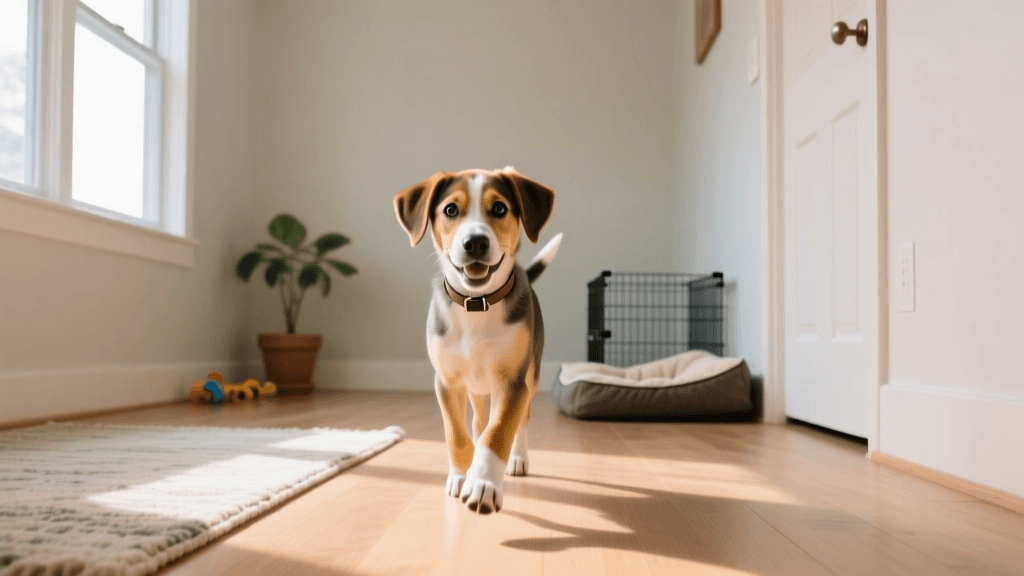
Puppy-proofing should begin at least two weeks before your dog arrives. This gives you ample time to identify hazards and implement homemade barriers without feeling rushed. Here is how to tackle the most dangerous rooms in your house using inexpensive household items.
Kitchen and Bathroom Cabinet Locks
Commercial child-proof cabinet locks can cost upwards of $20 for a multi-pack. Instead, use heavy-duty rubber bands or inexpensive tension rods. For side-by-side cabinet doors, loop a thick rubber band around both handles in a figure-eight pattern. For cabinets under the sink where you store toxic cleaning supplies, place a $5 spring-loaded tension rod horizontally inside the cabinet, pressing it tightly against the door. The dog will not be able to pull the door open, and it requires zero drilling or adhesive.
Cord Management and Baseboard Protection
Puppies love to chew on dangling wires, which poses a severe electrocution risk. Instead of buying plastic cable concealers, use empty toilet paper rolls or PVC pipe scraps. Slit the cardboard tube lengthwise, slide it over your bundled cords, and secure the ends with electrical tape. For baseboards that your puppy might gnaw on while teething, rub a safe, bitter-tasting DIY deterrent along the wood. Mix equal parts white vinegar and water, adding a few drops of lemon juice. The strong citrus and acidic scent naturally deters most dogs from chewing.
Door Hinge and Corner Guards
A common injury for new puppies is getting their paws or tails caught in closing doors. To prevent this, slice a standard foam pool noodle down the middle and slip it over the hinge side of interior doors. This acts as a soft buffer, preventing the door from closing completely and saving your puppy from painful pinches. Similarly, use folded towels secured with painter's tape over sharp coffee table corners until your dog outgrows their clumsy puppy phase.
Crafting a Homemade Dog Welcome Kit
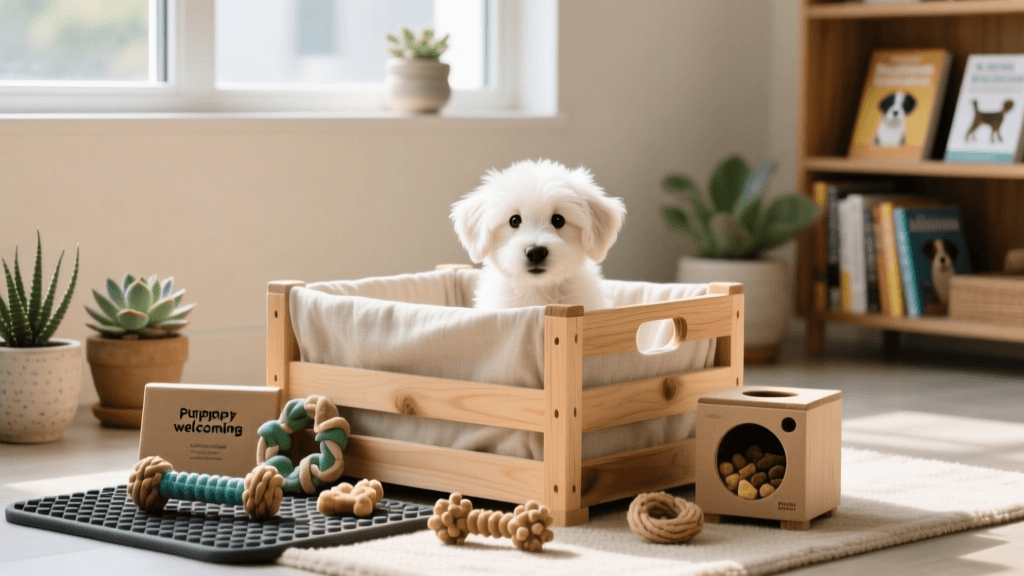
Pet stores often sell 'New Puppy Welcome Kits' for $50 to $100, usually filled with low-quality samples and generic toys. You can build a superior, highly engaging welcome kit at home for a fraction of the price. Focus on items that provide mental stimulation and comfort.
The DIY Fleece Snuffle Mat
Snuffle mats are fantastic for slowing down fast eaters and providing mental enrichment by tapping into a dog's natural foraging instincts. To make one, you will need a rubber sink drain mat (with plenty of holes) and two to three yards of inexpensive, machine-washable fleece fabric.
- Cut the fleece into strips measuring 2 inches wide and 8 inches long.
- Thread a strip through a hole in the rubber mat and tie it in a loose knot.
- Repeat this process across the entire mat, alternating colors if desired, until the rubber base is completely hidden in a thick forest of fleece.
- Hide your dog's dry kibble or training treats deep within the fleece strips.
This project takes about 45 minutes of your time and costs under $15, providing hours of anxiety-reducing enrichment for your new dog.
Homemade Calming Bedding Spray
The first few nights in a new home can be terrifying for a dog. To help soothe their nerves, create a DIY calming spray for their bedding. In a glass spray bottle, combine 1 cup of distilled water, 1 tablespoon of witch hazel (to help the oils bind with water), 5 drops of pet-safe lavender essential oil, and 5 drops of chamomile essential oil. Lightly mist your dog's crate pad or bed 10 minutes before they settle down for the night. Always ensure the room is well-ventilated and never spray the mixture directly on the dog.
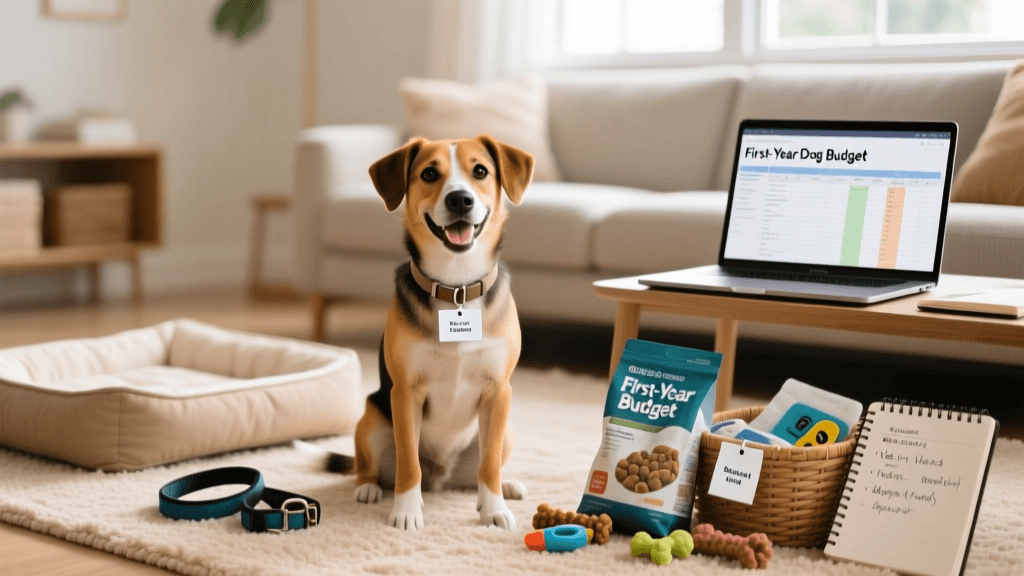
Cost Comparison: Store-Bought vs. DIY Essentials
Below is a breakdown of how much you can save by utilizing DIY and homemade solutions when preparing for your new dog's arrival.
| Item | Store-Bought Cost | DIY Cost | Estimated Savings |
|---|---|---|---|
| Cabinet Locks (Multi-pack) | $22.00 | $5.00 (Tension rods) | $17.00 |
| Enrichment Snuffle Mat | $45.00 | $12.00 (Fleece & sink mat) | $33.00 |
| Chew Deterrent Spray | $15.00 | $3.00 (Vinegar & lemon) | $12.00 |
| Cable Protectors | $18.00 | $0.00 (Upcycled cardboard) | $18.00 |
| Calming Pheromone Spray | $25.00 | $8.00 (Witch hazel & oils) | $17.00 |
| Total Estimated Cost | $125.00 | $28.00 | $97.00 |
By upcycling household items and crafting your own gear, you can save nearly $100—money that is much better spent on high-quality food, veterinary care, or professional training classes.
Homemade Cleanup Solutions for Puppy Accidents
Housebreaking is an inevitable part of getting a new puppy, and accidents will happen. Commercial enzymatic cleaners are effective but expensive. For a highly effective, budget-friendly DIY cleaner, keep the following recipe on hand:
The Baking Soda & Vinegar Lift:
- Blot the wet accident with paper towels until the area is mostly dry.
- Sprinkle a generous layer of baking soda over the stain to absorb lingering odors and moisture.
- Mix a solution of 1 part white vinegar, 1 part cool water, and a single drop of mild, unscented dish soap in a spray bottle.
- Spray the solution over the baking soda. It will fizz, lifting the stain and neutralizing the ammonia in the urine.
- Let it sit for 15 minutes, then blot dry with a clean cloth and vacuum up any remaining baking soda residue once fully dry.
Note: Never use ammonia-based cleaners or bleach on dog accidents, as the scent of ammonia mimics urine and will encourage your dog to soil the same spot again.
Toxic Hazards to Remove Before Arrival
While DIY solutions are excellent for saving money, safety should never be compromised. Dogs explore the world with their mouths, and many common household items and plants are highly toxic. Before bringing your dog home, audit your living space. The ASPCA's Toxic and Non-Toxic Plants list is an essential resource for every new dog owner. Common houseplants like Sago Palms, Lilies, Pothos, and Aloe Vera can cause severe gastrointestinal distress, liver failure, or even death if ingested. Relocate these plants to high shelves, hanging planters, or rooms that will be strictly off-limits to your new pet.
Additionally, ensure that human medications, sugar-free gums containing xylitol, chocolate, and grapes are stored in elevated cabinets. Xylitol, in particular, is incredibly dangerous to dogs and can cause a rapid, life-threatening drop in blood sugar.
What NOT to DIY: Safety First
While homemade toys and puppy-proofing hacks are wonderful, there are certain areas of dog care where DIY approaches are dangerous. The Humane Society of the United States emphasizes the importance of providing a secure, properly sized environment for your dog's physical and mental well-being.
- Do Not DIY a Dog Crate: Never use a cardboard box, a makeshift wooden enclosure, or a wire shelf as a substitute for a proper, well-ventilated dog crate. Improvised crates can collapse, cause lacerations, or lead to fatal overheating.
- Do Not DIY Dog Food: Unless you are working directly with a board-certified veterinary nutritionist, avoid making your own dog food. It is incredibly difficult to balance calcium, phosphorus, and essential micronutrients at home, which can lead to severe developmental bone diseases in growing puppies.
- Do Not DIY Flea and Tick Medications: Homemade essential oil flea repellents are largely ineffective and can be highly toxic to dogs (especially tea tree oil). Always purchase FDA-approved or veterinarian-recommended preventatives.
Conclusion
Getting a new dog is a journey filled with joy, challenges, and a lot of learning. By embracing DIY puppy-proofing methods and crafting homemade welcome kits, you not only save a significant amount of money but also invest your time and love into creating a personalized sanctuary for your new best friend. Start your preparations early, prioritize safety over aesthetics, and enjoy the beautiful process of welcoming your new dog home.
robin-maitland
All our authors care for dogs every day — read more of their work on the authors page.