Budget Dog Ownership: First-Year Costs And Money Tips
Discover the true first-year costs of getting a dog. Learn budget-friendly tips for adoption, supplies, vet care, and training to save money safely.
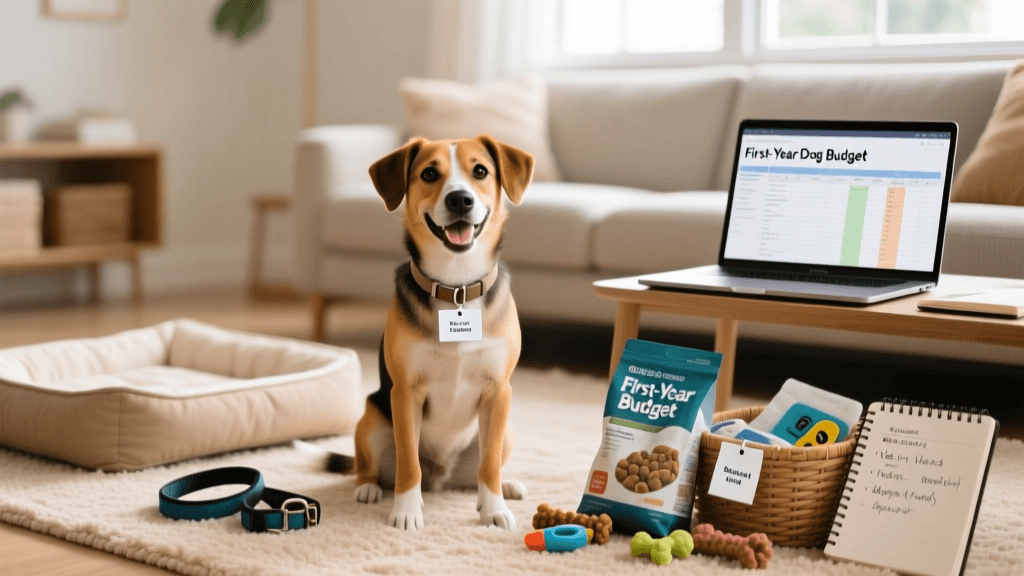
The Reality of First-Year Dog Costs
Bringing a new dog into your home is one of life’s most rewarding experiences, but it is also a significant financial commitment. Many first-time owners are caught off guard by the sheer volume of expenses that arise during the first twelve months. According to the ASPCA, the first-year cost of dog ownership can easily exceed $1,500 to $3,000, depending on the dog's size, age, and health needs. However, getting a dog on a budget is entirely possible if you approach the process with a strategic, informed mindset. This guide will walk you through the exact costs of bringing a dog home, where you can safely trim the fat, and where you should never compromise on quality.
Adoption vs. Buying: The Ultimate Budget Choice
When deciding how to bring a dog into your family, the source of your pet plays the largest role in your initial budget. Purchasing a puppy from a reputable breeder typically costs anywhere from $1,500 to over $3,000. This upfront fee rarely includes the initial veterinary procedures required for a new pet. Conversely, adopting from a shelter or rescue organization usually costs between $50 and $300. As noted by The Humane Society of the United States, adoption fees are heavily subsidized and almost always include spaying or neutering, a microchip, and the first round of core vaccinations (such as DHPP and Rabies). If you were to pay for these services out-of-pocket at a private veterinary clinic, you would easily spend $400 to $800. By adopting, you are not only saving a life but also bypassing the steepest upfront medical costs of puppyhood. If you have your heart set on a specific breed, look for breed-specific rescues, which often have adult dogs and occasionally puppies available at a fraction of the breeder cost.
Essential Supplies: Where to Save and Where to Splurge
Walking into a pet superstore can quickly drain your wallet. To keep your budget intact, you must differentiate between items that require investment and items where generic or DIY alternatives work just as well.
Where to Splurge
Never skimp on your dog’s collar, leash, or harness. A poorly made collar can snap, leading to a lost dog or a traffic accident. Invest in a high-quality martingale collar or a front-clip harness (like the PetSafe Easy Walk) and a sturdy 6-foot nylon or leather leash. Avoid retractable leashes entirely; they offer poor control and can cause severe friction burns or mechanical failures. Similarly, invest in a high-quality, AAFCO-approved dog food. While boutique or raw diets can cost upwards of $100 a month, scientifically backed brands like Purina Pro Plan or Hill's Science Diet offer complete nutrition for roughly $40 to $60 a month for a medium-sized dog.
Where to Save (Budget Supply Comparison)
You do not need premium, branded gear to keep your dog happy and safe. Use this comparison chart to make smarter purchasing decisions during your first-year setup:
| Item | Premium/Retail Cost | Budget-Friendly Alternative | Estimated Savings |
|---|---|---|---|
| Dog Bed | $80 - $150 (Orthopedic) | DIY Fleece Blanket or Thrifted Couch Cushion | $70+ |
| Puzzle Toys | $25 - $40 (Outward Hound) | Frozen Kong or Muffin Tin with Tennis Balls | $20+ |
| Grooming | $60 - $100 (Professional) | Home Bath & Slicker Brush (e.g., Hertzko) | $50+ per visit |
| Dog Food | $80+ (Boutique Raw) | AAFCO-Approved Kibble (e.g., Pro Plan) | $40+ per month |
| Pet Gate | $50 - $80 (Hardware Mounted) | Tension-Mounted Baby Gate or DIY PVC Frame | $30+ |
Preparing Your Home and the 3-3-3 Rule
Puppy-proofing or dog-proofing your home doesn't require expensive renovations. Instead of buying premium pet gates, use tension-mounted baby gates or repurpose wooden pallets for outdoor fencing repairs. To protect your furniture from chewing, skip the expensive commercial bitter sprays and create a DIY deterrent using a mixture of one part white vinegar to two parts water in a spray bottle. Test it on a hidden fabric patch first to ensure it doesn't stain.
When your dog first arrives, budget your time as well as your money. The rescue community relies on the 3-3-3 Rule of decompression: expect your dog to feel overwhelmed for the first 3 days, begin settling into a routine after 3 weeks, and truly bond and show their real personality after 3 months. During the first three days, keep your home quiet, limit visitors, and set up a designated 'safe zone' with their crate and a long-lasting chew (like a $5 beef trachea) to help them self-soothe without requiring expensive calming supplements.
Veterinary Care: Preventative Health on a Budget
Routine veterinary care is non-negotiable, but how you pay for it can vary. The first year requires a heavy schedule of vet visits for booster shots, heartworm testing, and spay/neuter recovery (if not done at the shelter). To save on preventatives, ask your vet about generic alternatives to name-brand flea, tick, and heartworm medications. For example, instead of buying NexGard or Heartgard directly from the clinic, ask for a written prescription and use verified online pharmacies like Chewy Pharmacy or 1-800-PetMeds, which often run auto-ship discounts. Additionally, look for local low-cost vaccine clinics hosted by animal shelters or mobile vet services. These pop-up clinics often offer Rabies and Bordetella vaccines for $10 to $15, compared to the $30 to $50 charged in a standard exam room.
Training and Socialization Without Breaking the Bank
Behavioral issues are the number one reason dogs end up in shelters, making training a crucial investment. However, private trainers can charge $100 to $150 per hour. Instead, look for group puppy kindergarten classes at local pet stores or community centers, which usually run $100 to $150 for a six-week course. For basic obedience, the internet is a goldmine of free, force-free training resources. YouTube channels like Kikopup and Zak George’s Dog Training Revolution offer comprehensive, step-by-step guides on everything from crate training to leash reactivity.
Socialization is also free. The critical socialization window closes around 16 weeks of age. Carry your puppy in a sling or sit on a bench outside a grocery store to expose them to the sights and sounds of shopping carts, strangers, and traffic without needing expensive puppy daycare. Just remember to avoid high-dog-traffic areas like dog parks until their DHPP and Rabies vaccines are fully completed to prevent Parvovirus exposure.
The Pet Insurance vs. Emergency Fund Debate
According to the American Kennel Club (AKC), preparing for the unexpected is a core tenet of responsible dog ownership. A single emergency vet visit for a swallowed sock or gastrointestinal blockage can cost $3,000 to $6,000. You have two budget-friendly paths to handle this:
- Pet Insurance: Companies like Healthy Paws or Lemonade offer policies starting around $25 to $40 a month. You pay the monthly premium and a deductible, and the insurance covers 70% to 90% of catastrophic bills.
- The Self-Insurance Route: If your dog is young and healthy, you can open a dedicated high-yield savings account and automatically transfer $50 a month into it. If your dog never gets sick, you keep the money. However, if an emergency happens in month three, you will be responsible for the shortfall.
Hidden First-Year Costs to Anticipate
Budgeting isn't just about the obvious expenses; it's about anticipating the hidden ones that catch new owners off guard.
- Dog Licensing: Most municipalities require an annual dog license, typically costing $10 to $20. Failing to register your dog can result in hefty fines.
- Pet Deposits and Rent: If you rent, expect to pay a non-refundable pet deposit ($200-$500) and a monthly pet rent ($25-$50).
- Grooming Maintenance: Even short-haired dogs need nail trims every 3-4 weeks. Learn to trim nails at home using a $15 pair of Miller Forge clippers, or pay a vet tech $15 for a walk-in trim, rather than paying for a full $80 grooming bath.
- Boarding and Pet Sitting: If you plan to travel, kennel boarding averages $40-$60 per night. Build a network of trusted friends or neighbors to do pet-sitting swaps to eliminate this cost entirely.
Conclusion
Getting a dog on a budget doesn't mean depriving your new best friend of a wonderful life. It simply means making smart, proactive choices. By adopting from a shelter, utilizing DIY enrichment toys, leveraging low-cost vaccine clinics, and prioritizing preventative health, you can provide a loving, premium home for your dog while keeping your finances firmly in the green. Plan ahead, track your spending, and enjoy the incredible journey of dog ownership.
hannah-wickes
All our authors care for dogs every day — read more of their work on the authors page.