DIY Puppy Enrichment Toys: Homemade Puzzle Feeders
Discover easy, budget-friendly DIY puppy enrichment toys and homemade puzzle feeders to keep your teething pup mentally stimulated and out of trouble.
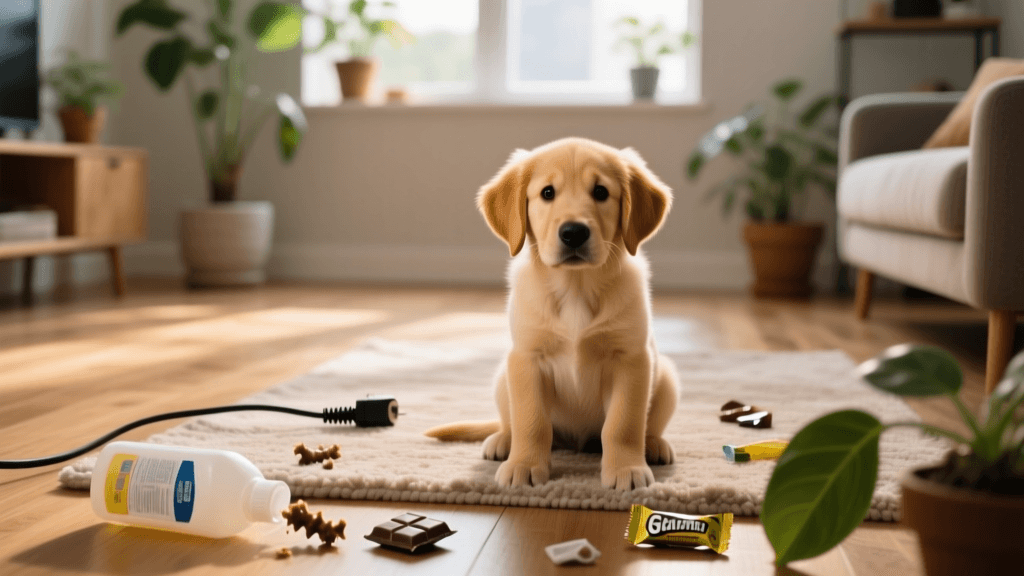
Bringing a new puppy home is an exhilarating experience, but it also comes with a unique set of challenges. Puppies are essentially canine toddlers: they have boundless energy, an insatiable curiosity, and a biological need to chew, explore, and forage. Without proper outlets for these natural instincts, your puppy may turn to destructive behaviors like chewing on baseboards, digging up houseplants, or pestering you relentlessly. This is where mental enrichment comes to the rescue.
While the pet market is flooded with expensive plastic puzzle toys and interactive feeders, you do not need to spend a fortune to keep your puppy's brain engaged. In fact, some of the most effective enrichment tools can be crafted right in your own kitchen using everyday household items. In this guide, we will explore five brilliant DIY puppy enrichment toys and homemade puzzle feeders that are safe, budget-friendly, and guaranteed to tire out your energetic pup.
Why Puppies Need Mental Enrichment
Physical exercise like walking and fetch is important, but mental stimulation is equally crucial for a growing puppy. Engaging your puppy's brain burns energy much faster than physical exertion alone. Sniffing, foraging, and problem-solving tap into a dog's primal instincts, reducing anxiety and promoting a calm, satisfied demeanor. Enrichment is particularly vital during the critical socialization window and the often-frustrating teething phases. Providing appropriate, engaging outlets helps shape a well-adjusted adult dog and prevents the formation of bad habits before they start.
Golden Rules for DIY Puppy Toy Safety
Before you start upcycling household items into puppy toys, it is critical to establish a few safety baselines. Puppies explore the world with their mouths, and their sharp needle-teeth can easily break apart items that adult dogs might ignore.
- Supervision is Mandatory: Never leave a puppy alone with a DIY toy, especially those involving cardboard, plastic, or fabric. You must be present to intervene if they start eating non-food items.
- Avoid Choking Hazards: Ensure that any parts of your homemade puzzle are either too large to be swallowed or made of entirely digestible, puppy-safe materials.
- Check for Toxicity: Avoid using materials that have held toxic chemicals, cleaning supplies, or foods that are dangerous to dogs (like garlic or onion powder residue).
Pro Tip: Always introduce new DIY puzzles to your puppy while they are on a leash or in a confined playpen so you can easily monitor their chewing habits and retrieve the toy once the treats are gone.
5 Brilliant DIY Puppy Enrichment Toys & Puzzle Feeders
1. The Muffin Tin Shell Game
This is the quintessential beginner puzzle feeder that costs absolutely nothing if you already have basic bakeware. It teaches your puppy problem-solving and engages their sense of smell.
What You Need:
- A standard 12-cup metal muffin tin
- 12 tennis balls (or balled-up socks if you are supervising closely)
- High-value puppy treats or kibble
How to Make It:
- Place a few pieces of kibble or small treats into several of the muffin tin cups.
- Cover every cup with a tennis ball, hiding the treats underneath.
- Present the tin to your puppy and encourage them to sniff and paw the balls away to find the food.
Cost & Time: $0 (using existing items) | 2 minutes to assemble.
2. The Frozen Broth & Kibble Teething Block
Puppies go through an intense puppy teething timeline that can cause sore gums and excessive chewing. This DIY frozen treat provides soothing cold relief while offering a long-lasting foraging challenge.
What You Need:
- A large Tupperware container or silicone ice cube tray
- Low-sodium, onion-free chicken or beef broth
- Your puppy's daily kibble ration
- Puppy-safe carrot chunks or blueberries
How to Make It:
- Place a layer of kibble and fruit/veggies at the bottom of the container.
- Pour in enough broth to cover the layer and freeze for 2 hours.
- Add another layer of kibble and broth, repeating until the container is full.
- Freeze solid overnight. Pop the ice block out and serve it on a towel or in a shallow dish to catch the melt.
Cost & Time: ~$3 for broth | 10 minutes active prep, plus freezing time.
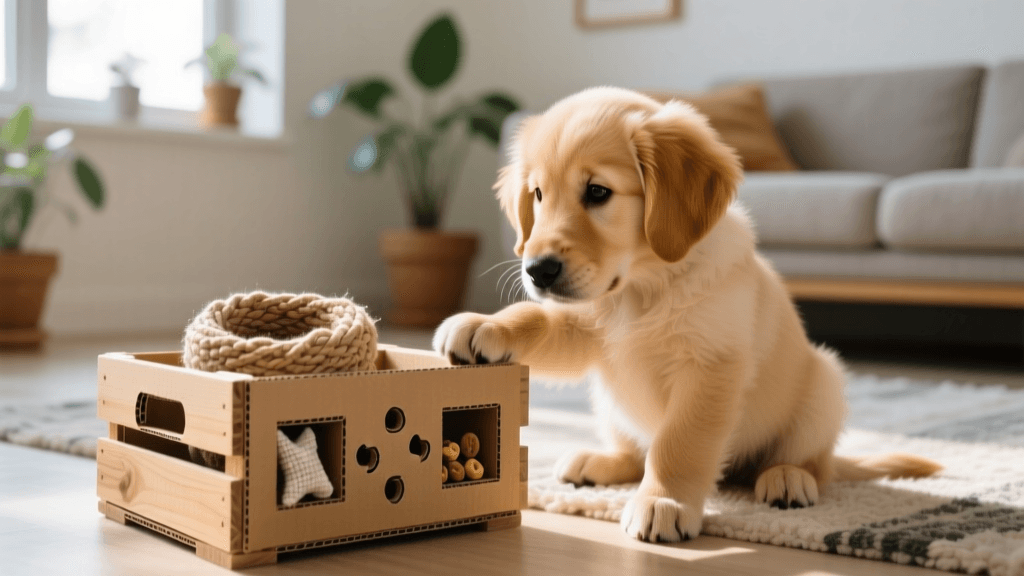
3. The Upcycled Cardboard Foraging Box
Cardboard is a fantastic, free material that satisfies a puppy's urge to chew and tear, provided you supervise them to ensure they are not swallowing large pieces of the box.
What You Need:
- A clean, medium-sized cardboard shipping box
- Clean toilet paper and paper towel cardboard tubes
- Scrunched-up paper (non-glossy)
- Dry kibble or treats
How to Make It:
- Take the cardboard tubes and fold the ends inward to close them, trapping a few treats inside each tube.
- Place the treat-filled tubes into the larger box.
- Fill the empty spaces with scrunched-up paper balls and sprinkle a few loose treats throughout.
- Let your puppy dig, sniff, and tear through the box to find their meal.
Cost & Time: $0 (recycling bin items) | 5 minutes to assemble.
4. The Fleece Snuffle Mat
Snuffle mats mimic the act of foraging for food in tall grass. They are incredibly soothing for hyperactive puppies and can easily take a fast-eating pup 20 minutes to finish their breakfast.
What You Need:
- A rubber sink mat with holes (available at most dollar stores)
- 1 to 2 yards of anti-pill fleece fabric (cut into 8-inch long, 1-inch wide strips)
How to Make It:
- Take a strip of fleece and thread it through two adjacent holes in the rubber mat.
- Tie the strip into a loose knot on the top side of the mat.
- Repeat this process until the entire mat is covered in a thick, shaggy layer of fleece knots.
- Bury dry kibble deep within the fleece strands and let your puppy sniff it out.
Cost & Time: ~$8 for materials | 30 minutes of crafting.
5. The PVC Pipe Treat Roller
This is a more durable DIY option for puppies who are aggressive chewers and tend to destroy cardboard or fabric puzzles quickly.
What You Need:
- A 2-inch diameter PVC pipe (about 8 inches long)
- Two PVC end caps
- A drill with a 1/2-inch drill bit
- Sandpaper
How to Make It:
- Drill 5 to 8 random holes along the length of the PVC pipe.
- Crucial Safety Step: Thoroughly sand the outside of the pipe and the inside of every drilled hole to remove any sharp plastic burrs that could cut your puppy's mouth or paws.
- Remove one end cap, fill the pipe with small training treats, and secure the cap tightly back on.
- As your puppy paws and nudges the roller across the floor, treats will fall out of the holes.
Cost & Time: ~$10 at a hardware store | 15 minutes to build.
Cost Comparison: Store-Bought vs. DIY Enrichment Toys
Is it really worth the effort to make your own puppy toys? The following table breaks down the differences between purchasing commercial puzzle feeders and creating your own homemade solutions.
| Feature | Store-Bought Puzzles | DIY Homemade Puzzles |
|---|---|---|
| Average Cost | $15 - $45 per toy | $0 - $10 per toy |
| Customization | Low (Fixed difficulty) | High (Adjustable to pup's skill) |
| Eco-Friendliness | Moderate (Often hard plastics) | High (Upcycled household waste) |
| Durability | High (Designed for chewing) | Low to Moderate (Consumable) |
| Hygiene | Requires thorough washing | Easy to toss/recycle when dirty |
Safe Stuffing: What to Put Inside Homemade Puzzles
When stuffing your DIY puzzle feeders, it is tempting to use whatever human food you have in the fridge. However, a puppy's digestive system is incredibly sensitive, and many common human foods are highly toxic. Always consult a comprehensive list of toxic human foods before sharing your snacks.
Safe, High-Value Stuffing Ideas:
- Puppy Kibble: The easiest and most balanced option. Use your puppy's daily meal ration to prevent overfeeding.
- Plain Pumpkin Puree: Excellent for digestion (ensure it is 100% pure pumpkin, NOT pie filling).
- Blueberries & Carrots: Great low-calorie, crunchy rewards for foraging boxes.
- Plain Greek Yogurt: A great topping for frozen enrichment blocks.
A Warning on Peanut Butter:
While many dogs love peanut butter, you must read the ingredient label with extreme vigilance. Many commercial peanut butter brands, especially those marketed as 'sugar-free' or 'diet', contain xylitol (sometimes listed as birch sugar). Xylitol causes a rapid, life-threatening drop in blood sugar and liver failure in dogs. Always verify that your peanut butter is 100% free of this ingredient to avoid xylitol poisoning.
Conclusion
Raising a well-behaved, happy puppy does not require an endless budget for pet store gadgets. By utilizing DIY puppy enrichment toys and homemade puzzle feeders, you can provide your furry friend with the mental stimulation they crave while saving money and reducing household waste. Remember that enrichment is not just about feeding; it is about building your puppy's confidence, teaching them how to problem-solve, and giving them a constructive job to do. Start with the simple Muffin Tin Shell Game today, and watch your puppy's natural brilliance shine through!
priya-sutaria
All our authors care for dogs every day — read more of their work on the authors page.