Emergency Guide: Common Household Toxins for Puppies
Learn how to identify common household toxins for puppies, recognize poisoning symptoms, and take immediate life-saving action in a pet emergency.
Why Puppies Are at High Risk for Poisoning
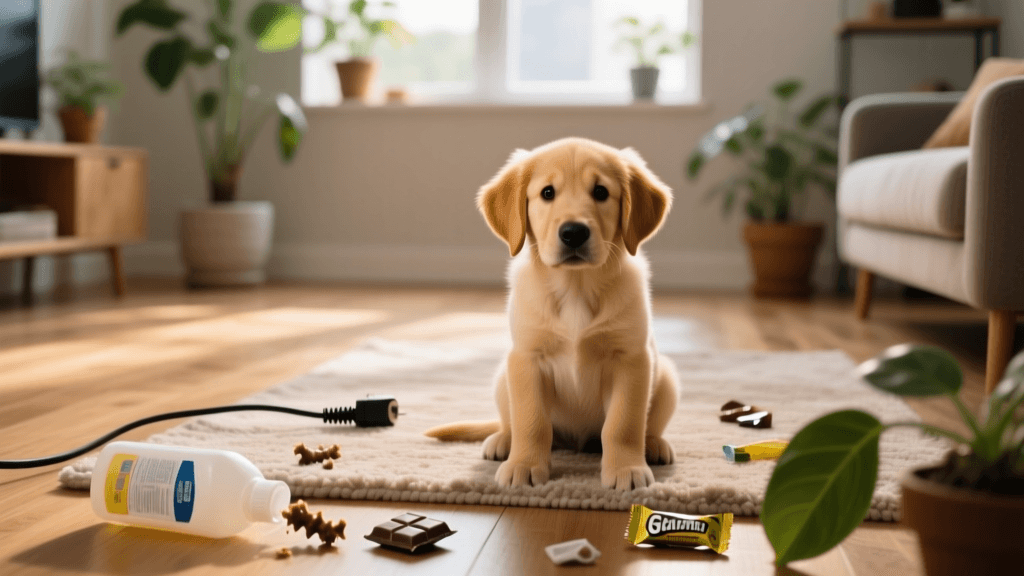
The first year of a puppy’s life is a period of intense exploration. Because puppies rely heavily on their mouths to investigate their environment, they are at a significantly higher risk for accidental poisoning than adult dogs. This behavior, combined with the teething phase—which drives them to chew on virtually anything within reach—creates a perfect storm for toxic ingestion. Furthermore, a puppy's small body weight means that even a microscopic amount of a toxic substance can result in a lethal dose. For example, while a single dropped pill might not severely affect a 70-pound adult Labrador, that exact same pill could cause acute organ failure in a 10-pound French Bulldog puppy. Understanding these risks and knowing how to respond in an emergency is a critical component of responsible puppy care.
Top Household Toxins: A Quick Reference Guide
To help you identify potential hazards in your home, we have compiled a comprehensive data table of the most common and dangerous household toxins for puppies. Keep this information accessible and share it with anyone who cares for your dog.
| Toxin Category | Common Household Sources | Toxicity Level | Primary Clinical Symptoms |
|---|---|---|---|
| Xylitol (Birch Sugar) | Sugar-free gum, diet peanut butter, sugar-free baked goods | Extreme | Rapid hypoglycemia, severe lethargy, liver failure, seizures |
| Grapes and Raisins | Fruit bowls, trail mix, baked goods, cereals | High | Vomiting, diarrhea, acute kidney failure, decreased urination |
| Human NSAIDs | Ibuprofen (Advil), Naproxen (Aleve), Aspirin | High | Gastric ulceration, vomiting blood, acute renal failure |
| Rodenticides | Rat poison, bait stations, neighboring yard treatments | Extreme | Internal bleeding, pale gums, weakness, neurological tremors |
| Chocolate | Baking chocolate, cocoa powder, dark chocolate bars | Moderate to High | Hyperactivity, vomiting, arrhythmias, muscle tremors |
Deep Dive: The Most Dangerous Puppy Toxins
1. Xylitol (Birch Sugar)
Xylitol is a sugar substitute found in many human products, most notably sugar-free gum and certain brands of peanut butter. In puppies, xylitol triggers a massive, inappropriate release of insulin from the pancreas. This leads to a rapid and life-threatening drop in blood sugar (hypoglycemia) within 10 to 60 minutes of ingestion. The toxic dose is remarkably low: roughly 50 mg per pound of body weight. For a 15-pound puppy, consuming just one or two pieces of certain sugar-free gums can trigger a medical crisis. If left untreated, xylitol toxicity progresses to severe hepatic necrosis (liver failure) within 24 to 48 hours.
2. Grapes and Raisins
While the exact mechanism of toxicity was a mystery for decades, recent veterinary research points to tartaric acid as the likely culprit in grapes and raisins. There is no established 'safe' dose; idiosyncratic reactions mean that even a single grape can cause acute anuric kidney failure in a small puppy. Symptoms often begin with vomiting within 24 hours, followed by lethargy and a complete cessation of urine production as the kidneys shut down. Early aggressive IV fluid therapy is the only way to flush the kidneys and potentially save the puppy's life.
3. Human NSAIDs (Non-Steroidal Anti-Inflammatory Drugs)
Well-meaning owners sometimes attempt to treat a teething or limping puppy with over-the-counter human pain relievers like Ibuprofen (Advil, Motrin) or Naproxen (Aleve). Dogs lack the specific liver enzymes required to metabolize these drugs safely. Even a single 200mg ibuprofen tablet can cause severe gastric ulcers and acute kidney injury in a small puppy. Never administer human medication to your dog without explicit veterinary instruction.
Recognizing the Signs of Puppy Poisoning
Puppies cannot tell you when they feel sick, and symptoms of toxicosis can sometimes be delayed by several hours or even days. According to the American Kennel Club (AKC), you must monitor your puppy closely for the following clinical signs:
- Gastrointestinal Distress: Unexplained vomiting, diarrhea (especially with blood), excessive drooling, or loss of appetite.
- Neurological Abnormalities: Muscle tremors, seizures, uncoordinated walking (ataxia), or extreme lethargy.
- Cardiovascular Issues: Pale or white gums, rapid heart rate, or collapse.
- Respiratory Changes: Heavy panting, coughing, or difficulty breathing.
Immediate Steps to Take in a Poisoning Emergency
If you suspect your puppy has ingested a toxic substance, time is your most valuable resource. Follow this strict 4-step emergency action plan:
- Remove the Puppy from the Source: Safely secure your puppy away from the toxin to prevent further ingestion. If the substance is on their coat or paws, prevent them from licking it off.
- Identify and Secure the Toxin: Gather the packaging, remaining pills, or plant clippings. Note the exact ingredients, the milligram strength, and estimate how much was consumed. This data is vital for the toxicologist.
- Call a Poison Control Expert: Do not wait for symptoms to appear. Call the ASPCA Animal Poison Control Center (APCC) at (888) 426-4435 or the Pet Poison Helpline at (855) 764-7661. Note that a consultation fee (typically around $95) usually applies, but this provides you with a definitive, science-backed treatment protocol.
- Transport to an Emergency Veterinarian: Follow the exact instructions provided by the poison control expert. Bring the toxin packaging with you to the clinic. Emergency stabilization, which may include IV fluids, activated charcoal, or lipid emulsion therapy, can cost between $1,500 and $5,000+, making pet insurance a highly recommended safety net for puppy owners.
Crucial Warning: Never attempt to induce vomiting using 3% hydrogen peroxide or salt water unless explicitly instructed to do so by a licensed veterinarian or poison control agent. If your puppy ingested a caustic substance (like bleach or a battery), vomiting will cause severe secondary burns to the esophagus. Furthermore, sharp objects can cause fatal esophageal tearing on the way back up.
Building Your Puppy's Poison Prevention Strategy
The most effective way to handle a poisoning emergency is to ensure it never happens in the first place. Puppy-proofing your home requires a proactive, room-by-room approach. Start by getting down on your hands and knees to view your home from your puppy's perspective.
Securing the Kitchen and Bathrooms
These rooms contain the highest concentration of toxins, from cleaning supplies to human medications. Invest in high-quality baby-proofing products. Magnetic cabinet locks, such as the Safety 1st Magnetic Locking System, are highly effective because they cannot be nudged open by a clever puppy's nose. Ensure all medications, including vitamins and supplements (especially those containing iron or xylitol), are stored in upper cabinets, not on bathroom counters where a jumping puppy could easily reach them.
Managing Trash and Recycling
Puppies are notorious scavengers. A trash can with a simple swing-lid is not a sufficient barrier. Upgrade to a heavy-duty, locking trash can, such as the Simplehuman Locking Trash Can, or keep your bins entirely concealed inside a latched pantry or cabinet. This prevents access to discarded food wrappers, xylitol-containing gum, and toxic food scraps like onions or macadamia nuts.
Yard and Garden Safety
Outdoor environments present their own unique hazards. Avoid using chemical snail baits, cocoa mulch, or traditional rodenticides in areas your puppy can access. If you must use pest control, opt for pet-safe alternatives or secure bait stations that are heavily weighted and locked. Additionally, familiarize yourself with toxic plants common in your region, such as Sago Palms, Oleander, and Azaleas, and remove them from your landscaping immediately.
Conclusion
Navigating the puppy stage requires vigilance, patience, and a well-prepared emergency plan. By understanding the severe risks posed by common household toxins like xylitol, grapes, and human medications, you can create a safer environment for your growing dog. Keep your local emergency vet's number and the ASPCA Poison Control hotline saved in your phone today. In the event of an emergency, your swift, informed actions will be the ultimate key to saving your puppy's life.
priya-sutaria
All our authors care for dogs every day — read more of their work on the authors page.