DIY Dog Enrichment Toys: Cheap Homemade Puzzle Ideas
Discover budget-friendly DIY dog puzzle toys and enrichment ideas. Keep your pup mentally stimulated at home with these easy, homemade solutions.
The Hidden Power of Canine Mental Stimulation
When we think about exercising our dogs, we usually picture long walks, games of fetch, or trips to the dog park. However, physical exercise is only half the equation for a happy, well-adjusted pet. According to the ASPCA, daily mental stimulation is just as critical as physical activity for preventing behavioral issues and maintaining overall canine health. A dog's brain is wired to solve problems, forage for food, and explore their environment. When deprived of these outlets, dogs often turn to destructive behaviors like excessive chewing, digging, or barking out of sheer boredom.
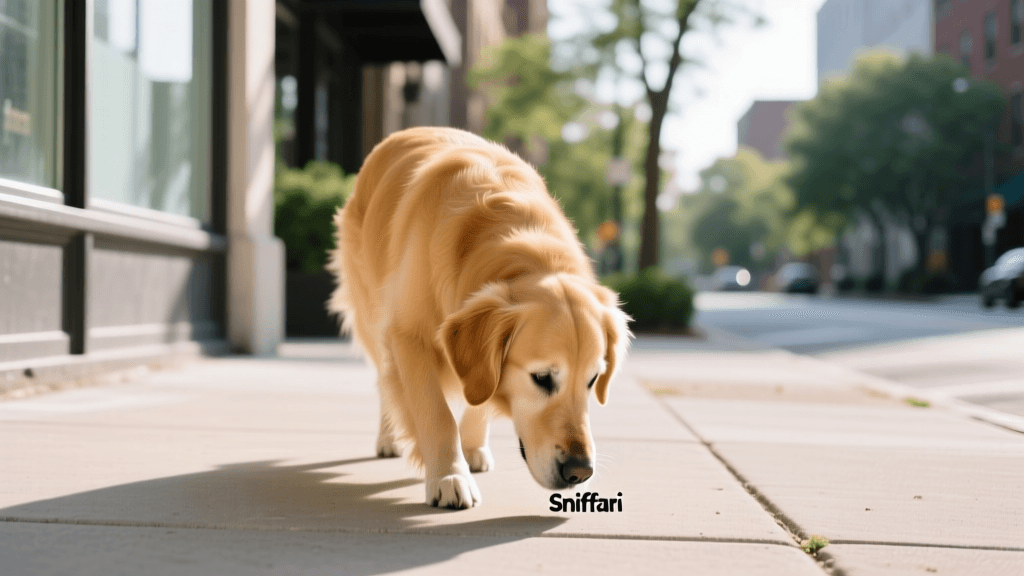
Veterinarians and behaviorists frequently recommend the concept of a 'sniffari'—a walk or play session where the dog is allowed to dictate the pace and spend as much time as they want investigating scents. This olfactory engagement fires up millions of sensory receptors, providing a deep sense of satisfaction that physical running simply cannot match. Behavioral experts often note that fifteen minutes of intense sniffing and mental problem-solving can tire a dog out as much as an hour of physical walking. This is where DIY dog enrichment toys come into play. By creating homemade puzzle feeders and foraging games, you can tap into your dog's natural instincts while saving a significant amount of money.
'Engaging a dog's natural foraging instincts through puzzle toys and scent work not only reduces anxiety but also builds confidence and strengthens the bond between pet and owner.' - Concepts from Fear Free Happy Homes
Store-Bought vs. DIY Dog Puzzle Toys
Before diving into the crafts, it is helpful to understand how homemade solutions compare to commercial products. While store-bought puzzles are excellent for durability, they can be expensive and dogs often learn to solve them quickly, reducing their long-term value.
| Feature | Store-Bought Puzzles | DIY Homemade Puzzles |
|---|---|---|
| Average Cost | $20 - $60+ | $0 - $15 |
| Customization | Limited to manufactured design | Fully adjustable to your dog's skill level |
| Durability | High (hard plastics, wood, rubber) | Low to Medium (often meant to be destroyed or consumed) |
| Replacement Parts | Difficult or impossible to find | Easily sourced from household recycling or hardware stores |
| Engagement Time | Decreases as the dog masters the puzzle | Can be endlessly modified to increase difficulty |
As highlighted by The Humane Society of the United States, rotating toys and introducing novel challenges is key to keeping your pet engaged. DIY toys allow you to constantly rotate and invent new challenges without breaking the bank.
5 Easy DIY Dog Enrichment Toys You Can Make Today
Here are five practical, budget-friendly DIY enrichment toys that cater to different play styles, from sniffers to chewers and problem-solvers.
1. The Classic Fleece Snuffle Mat
A snuffle mat mimics the experience of foraging for food in tall grass. It engages your dog's olfactory senses and slows down fast eaters.
- Materials: 2 yards of anti-pill fleece fabric (2 contrasting colors), 1 rubber sink mat with a grid of holes.
- Estimated Cost: $10 - $15
- Instructions: Cut the fleece into strips measuring 1 inch wide and 8 inches long. Take one strip, push it through a hole in the rubber mat, and tie it in a loose overhand knot. Repeat this process until every hole is filled and the mat is thick and fluffy. Hide your dog's daily kibble ration deep within the fleece strips and let them sniff out their meal.
2. The Muffin Tin Treat Puzzle
This is an excellent beginner puzzle for dogs who are new to enrichment games. It requires zero crafting and uses items you likely already have in your kitchen.
- Materials: 1 standard 12-cup metal muffin tin, 12 tennis balls (or dog-safe balls that fit snugly in the cups), high-value treats.
- Estimated Cost: $0
- Instructions: Place a few smelly, high-value treats or kibble pieces into the bottom of several muffin cups. Cover every cup with a tennis ball. Your dog will have to use their nose and paws to knock the tennis balls out of the way to access the rewards. To increase the difficulty, only put treats in a few cups, forcing the dog to rely entirely on their sense of smell rather than just knocking every ball off.
3. The DIY PVC Pipe Treat Dispenser
For dogs who love to bat things around with their paws and nose, a homemade treat dispenser provides hours of rolling, chasing, and snacking.
- Materials: 12-inch length of 2-inch diameter PVC pipe, 2 PVC end caps, a drill with a 3/4-inch spade bit, sandpaper.
- Estimated Cost: $8 - $12
- Instructions: Drill three or four holes randomly along the length of the PVC pipe. Use sandpaper to smooth out any sharp plastic burrs around the holes to protect your dog's mouth and paws. Glue one end cap permanently in place using PVC cement. Leave the other end cap unglued so you can remove it to refill the pipe with kibble. When your dog rolls the pipe across the floor, kibble will fall out of the drilled holes.
4. Frozen Bone Broth Pupsicles
Enrichment isn't just about dry puzzles; it's also about soothing chews and licking, which releases endorphins in a dog's brain.
- Materials: Silicone ice cube tray or silicone baking mold, low-sodium dog-safe bone broth (strictly no onions or garlic), kibble, dog-safe fruits like blueberries or sliced bananas.
- Estimated Cost: $5
- Instructions: Place a layer of kibble and a few blueberries into each silicone mold cavity. Fill the molds halfway with the bone broth and freeze for one hour. Add another layer of treats and fill to the top with more broth. Freeze completely for at least four hours. These are perfect for hot days or for keeping a dog occupied in their crate.
5. The Cardboard Box Foraging Game
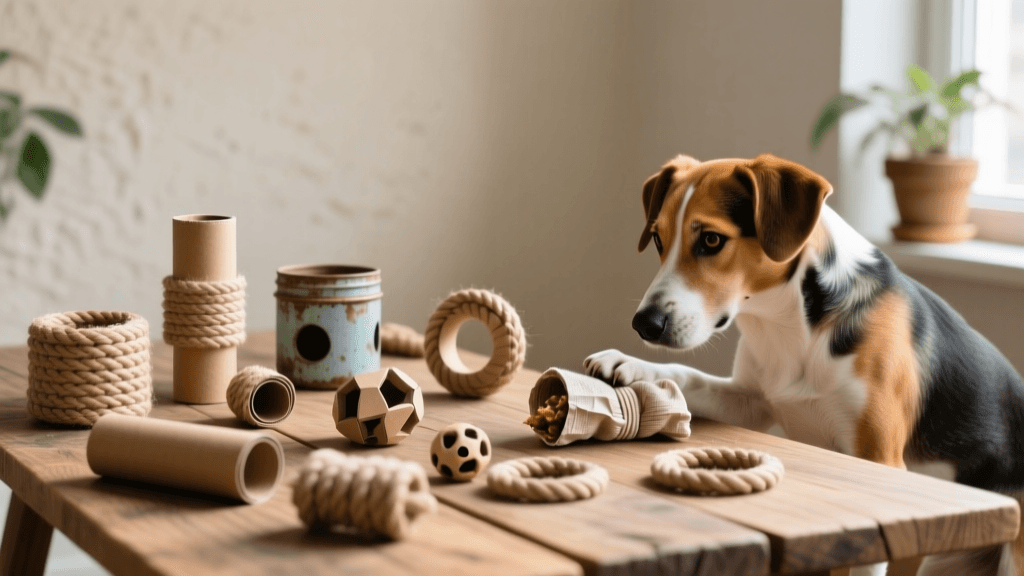
If you have a dog who loves to shred and destroy, lean into that instinct safely with a designated destruction box. This is a fantastic way to recycle your online shopping boxes.
- Materials: A large cardboard shipping box, several empty toilet paper rolls, shredded non-glossy paper, dry treats.
- Estimated Cost: $0
- Instructions: Fold the ends of the toilet paper rolls inward to trap a few treats inside each one. Place these rolls into the large box. Fill the remaining empty space in the box with shredded paper, crumpled paper balls, and a few loose treats scattered throughout. Close the flaps loosely and present it to your dog. They will happily tear through the cardboard and paper to hunt down the hidden treasures.
Safety First: Supervising Homemade Dog Toys
While DIY enrichment toys are incredibly beneficial, they require active supervision. Unlike heavy-duty commercial rubber toys, homemade items often involve materials that can become choking hazards if ingested in large quantities.
- Monitor Ingestion: If you are using cardboard, paper, or fleece, watch your dog closely. A little bit of shredded paper is generally harmless, but eating large amounts of cardboard or swallowing long strips of fleece can cause severe gastrointestinal blockages requiring emergency surgery.
- Avoid Toxic Adhesives: When crafting toys like the PVC dispenser, ensure that any glues or paints used are fully cured and non-toxic. When in doubt, rely on friction-fit caps or pet-safe silicone.
- Check Ingredients: When making frozen treats, always read the labels on broths and peanut butters. Many commercial brands contain xylitol (birch sugar), an artificial sweetener that is highly toxic and potentially fatal to dogs, as well as onion and garlic powders.
- Manage Frustration Levels: Always tailor the difficulty of the puzzle to your dog's current skill level. If a puzzle is too difficult, your dog may become frustrated and give up, or resort to destructive chewing to force the toy open. Start with easy wins, like the muffin tin with loosely placed balls, and gradually increase the complexity as their problem-solving skills improve.
Conclusion
Integrating DIY dog puzzle toys and homemade enrichment solutions into your daily routine is one of the most rewarding aspects of life with your dog. Not only do these activities save you money, but they also provide your canine companion with the mental workout they crave. By turning mealtime into a foraging adventure and utilizing household recycling for play, you are fostering a happier, calmer, and more fulfilled best friend. Grab some fleece, save your cardboard boxes, and start crafting a more enriching life for your dog today.
marcus-aldridge
All our authors care for dogs every day — read more of their work on the authors page.