Flying With Dogs: Google's Most-Asked Questions Answered
Planning to fly with your dog? We answer Google's most-asked questions about cabin rules, cargo safety, carrier sizes, and costs for stress-free pet travel.
Traveling by air with your furry best friend can feel like navigating a maze of confusing airline policies, varying fees, and safety concerns. If you have been typing questions into your search bar at 2 AM, you are not alone. Every month, thousands of pet parents search for the same answers regarding pet travel. To save you time and stress, we have compiled the ultimate guide based on Google's most-asked questions about flying with dogs. Whether you are planning a cross-country move or a weekend getaway, this guide provides actionable advice, exact measurements, and expert-backed tips to ensure a smooth journey for you and your pup.
Can My Dog Fly in the Cabin With Me?
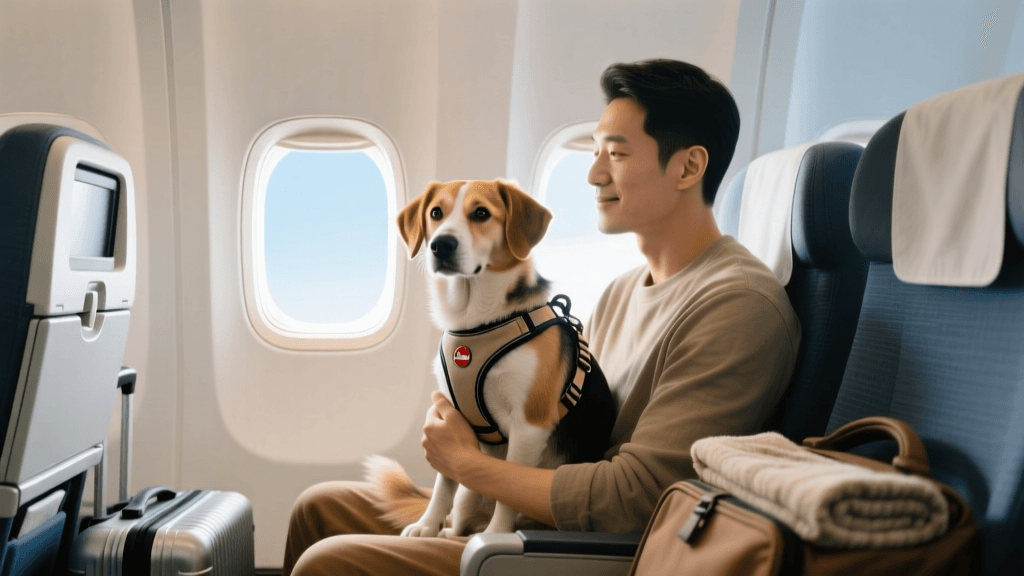
Yes, but with strict limitations. Most major domestic airlines allow small dogs to travel in the cabin, provided they fit comfortably in an airline-approved soft-sided carrier that slides completely under the seat in front of you.
The general rule of thumb is that your dog and their carrier combined must not exceed 20 pounds. However, physical dimensions are often more strictly enforced by gate agents than weight.
Actionable Advice:
- Carrier Dimensions: While policies vary slightly, a safe bet for most major US airlines is a soft-sided carrier measuring no more than 18 inches long, 11 inches wide, and 11 inches high.
- Top Product Picks: The Sherpa Original Deluxe Carrier (Medium) is widely accepted by major airlines and features locking zippers and mesh ventilation. Another excellent option is the Petsmart Top Entry Carrier, which offers great airflow and easy access.
- Booking Tip: Airlines cap the number of pets allowed in the cabin per flight (usually between two and six). Always call the airline to add your pet to your reservation immediately after booking your own ticket. Do not rely on third-party booking sites for this step.
Is It Safe for Dogs to Fly in Cargo?
This is arguably the most common and anxiety-inducing question on Google. The short answer is that while incidents do occasionally occur, flying in cargo is generally safe for healthy, medium-to-large dogs when proper precautions and regulations are followed.
To ensure safety, the International Air Transport Association (IATA) enforces strict Live Animals Regulations (LAR). Airlines require IATA-compliant hard plastic kennels with metal nuts and bolts (no plastic clips), adequate ventilation on at least three sides, and enough room for your dog to stand up, turn around, and lie down without their head touching the top.
Actionable Advice:
- The Crate: Invest in an IATA CR-82 compliant crate, such as the Petmate Sky Kennel, which is specifically designed for air travel.
- Brachycephalic Breeds: Dogs with short snouts (Pugs, French Bulldogs, Boxers) are highly susceptible to respiratory distress in the cargo hold. Most major airlines have permanently banned these breeds from flying in cargo due to health risks.
- Temperature Embargoes: Airlines will not accept pets as cargo if the ground temperature at the departure, arrival, or layover cities falls below 45°F (7°C) or exceeds 85°F (29°C). Plan your travel during spring or autumn if you live in extreme climates.
How Much Does It Cost to Fly With a Dog?
Pet travel fees are rarely included in your standard ticket price and are usually collected at the check-in counter or via the airline's app prior to arrival. Below is a comparison chart of standard one-way pet fees for major US airlines.
| Airline | Cabin Fee (One-Way) | Cargo Option | Max Soft Carrier Dimensions |
|---|---|---|---|
| Delta Air Lines | $125 | Yes (Delta Cargo) | 19in x 10in x 10.5in |
| United Airlines | $125 | Yes (PetSafe) | 17.5in x 12in x 7.5in |
| American Airlines | $125 | Yes (AA Cargo) | 19in x 13in x 9in |
| Southwest Airlines | $125 | No | 18.5in x 8.5in x 13.5in |
Note: Cargo fees are not flat rates; they are calculated based on the combined weight of the dog and the crate, as well as the flight distance. Expect to pay anywhere from $200 to over $1,000 for cargo transport. Additionally, if you have a layover, some airlines charge a pet fee per flight segment.
What Health Documents Do I Need?
Documentation requirements depend heavily on whether you are flying domestically or internationally. For domestic flights within the United States, most airlines require a valid health certificate issued by a licensed veterinarian.
According to the American Veterinary Medical Association (AVMA), a standard domestic health certificate is typically valid for 10 to 30 days, depending on the specific airline and destination state.
Actionable Advice:
- Timing: Schedule your vet visit within 10 days of your departure date to ensure the certificate remains valid for your return trip.
- International Travel: If you are leaving the country, you must consult the USDA Animal and Plant Health Inspection Service (APHIS) website. International health certificates often require an official USDA endorsement stamp, which takes extra processing time and mailing.
- Rabies Certificate: Always carry a physical copy of your dog's up-to-date rabies vaccination certificate, as some states (like Hawaii) and international borders have strict quarantine laws based on rabies titers.
How Should I Feed and Exercise My Dog Before a Flight?
A common mistake pet parents make is feeding their dog a full meal right before heading to the airport. This can lead to an upset stomach, nausea, and inevitable accidents inside the carrier.
Actionable Advice:
- Fasting: Withhold solid food for 4 to 6 hours before the flight. This drastically reduces the risk of motion sickness and the need to eliminate during the journey.
- Hydration: Offer small amounts of water up until the security checkpoint. If flying in cargo, you can freeze a small dish of water the night before and attach it to the inside of the crate; it will slowly melt and provide hydration without spilling during transit.
- Exercise: Exhaust your dog before the flight. A rigorous 45-minute walk or a heavy play session at the airport's designated pet relief area will encourage them to sleep through the noise and turbulence.
- Potty Pads: Line the bottom of the carrier with an absorbent, leak-proof puppy pad (like the Glad for Pets charcoal pads) just in case of nervous accidents.
Are Emotional Support Animals (ESAs) Still Allowed in the Cabin?
No. In early 2021, the US Department of Transportation (DOT) revised the Air Carrier Access Act. Airlines are no longer required to recognize Emotional Support Animals as service animals.
Today, ESAs are treated as standard pets. This means your emotional support dog must adhere to the same size restrictions, carrier requirements, and pet fees as any other companion animal. Only highly trained, task-specific psychiatric service dogs (PSDs) are permitted to fly in the cabin for free and sit on the floor space in front of your seat.
Final Thoughts on Pet Air Travel
Flying with your dog requires meticulous planning, but it is entirely manageable when you follow the rules and prepare in advance. By choosing the right carrier, securing your health documents early, and understanding the specific policies of your chosen airline, you can turn a stressful search engine deep-dive into a smooth, tail-wagging travel experience.
robin-maitland
All our authors care for dogs every day — read more of their work on the authors page.