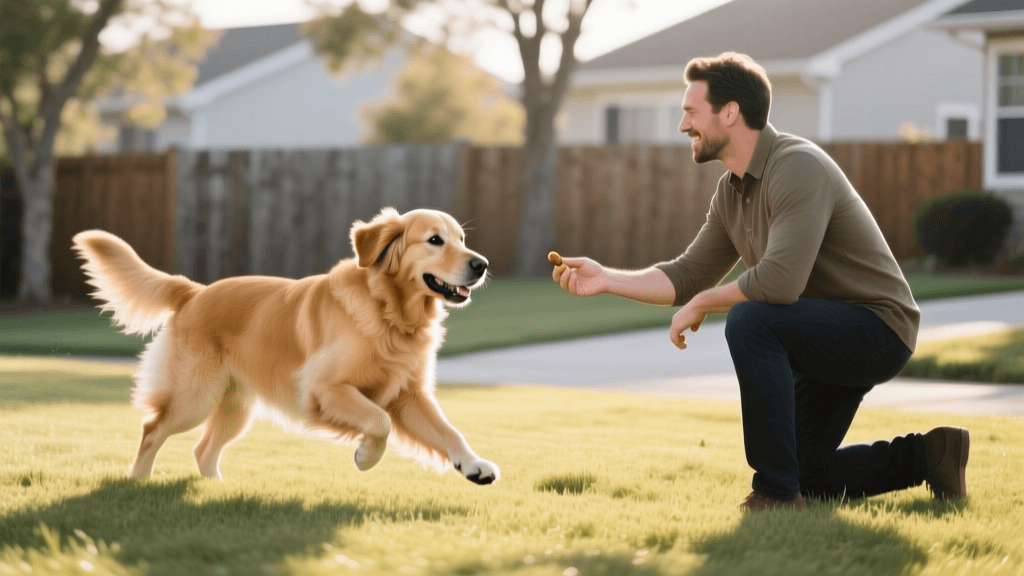
How Diet and Treat Management Fuel Dog Training Success
Discover how diet and treat management impact canine focus. Learn caloric limits, high-value treat alternatives, and meal timing for better training.
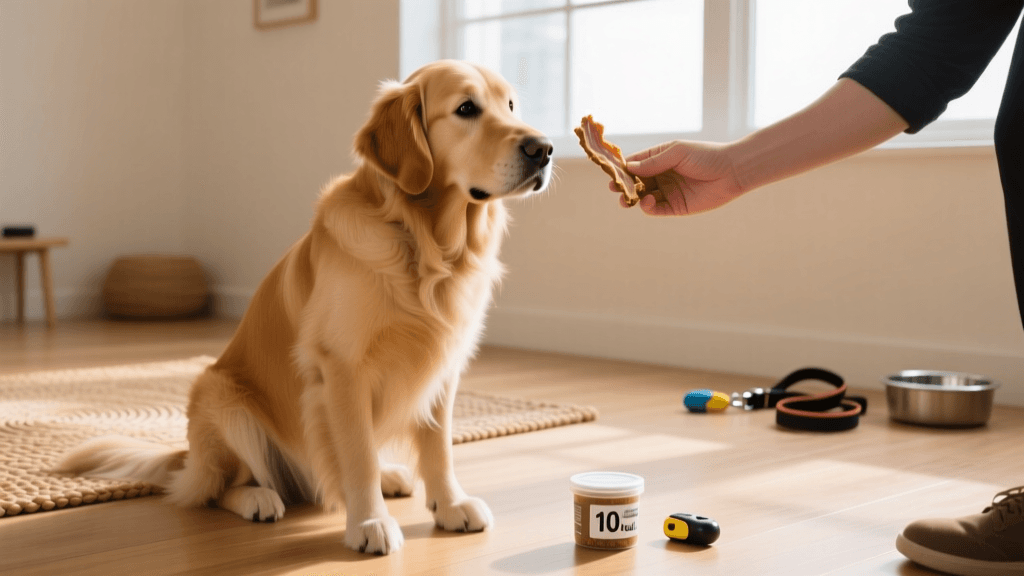
Introduction: The Hidden Link Between Nutrition and Obedience
When most dog owners think about obedience training, they envision leashes, clickers, and endless repetitions of 'sit' and 'stay.' However, as a cornerstone of our Health & Nutrition Deep Dives series, we must address the physiological engine driving your dog's ability to learn: their diet. Behavioral conditioning and trick teaching require immense cognitive stamina. Just like a human athlete preparing for a marathon, a dog's nutritional baseline directly dictates their focus, impulse control, and memory retention during training sessions.
Over-rewarding with calorie-dense treats is a common pitfall that leads to canine obesity and sluggish learning. Conversely, training a dog on an empty stomach with low-value rewards can result in frustration and distraction. In this comprehensive guide, we will explore the science of canine cognitive nutrition, how to properly manage treat intake using the 10% rule, and how to strategically time meals to maximize your dog's training potential.
The Physiology of Canine Learning and Blood Sugar
The canine brain is a glucose-demanding organ. During intense learning phases—such as mastering a new agility sequence or undergoing behavioral modification for leash reactivity—the brain consumes significant energy. However, the source of that energy matters immensely. Feeding your dog high-glycemic, sugar-laden commercial treats can cause rapid spikes and subsequent crashes in blood glucose levels. This crash manifests as a sudden loss of focus, hyperactivity followed by lethargy, and an inability to retain new commands.
To maintain optimal cognitive function, dogs require a steady release of energy. Diets rich in high-quality animal proteins and complex carbohydrates, supplemented with Omega-3 fatty acids (specifically DHA and EPA), support neurological health. According to veterinary nutritionists, incorporating Omega-3s can improve memory and learning speed in puppies and senior dogs alike. Therefore, the treats you use during a 20-minute training session should ideally align with a balanced nutritional profile rather than acting as empty 'junk food' calories.
Mastering the 10% Rule for Training Treats
One of the most critical concepts in balancing health and training is the 10% Rule. The World Small Animal Veterinary Association (WSAVA) Global Nutrition Committee strongly recommends that treats, chews, and table scraps should never exceed 10% of a dog's total daily caloric intake. The remaining 90% must come from a complete and balanced commercial or home-cooked (veterinary-formulated) diet.
Let us break this down with actionable measurements. Consider an average 50-pound (22.5 kg) neutered adult dog with an ideal body condition score. Their resting energy requirement (RER) and maintenance energy requirement (MER) dictate they need approximately 1,000 to 1,100 kilocalories (kcal) per day. Under the 10% rule, this dog can only consume 100 to 110 calories from training treats daily.
If you are using standard commercial training biscuits that contain 15 calories per piece, you will exhaust your dog's daily treat allowance after just seven rewards. For a high-volume trick training session where you need to mark and reward behavior every few seconds, this is entirely impractical and will lead to rapid weight gain. The solution? Micro-treating and utilizing the dog's daily kibble allowance.
Pro Tip: Deduct the exact caloric equivalent of your training treats from your dog's morning or evening meal. If you use 50 calories of freeze-dried liver during a session, remove 50 calories worth of kibble from their dinner bowl.
High-Value vs. Low-Value Treats: A Nutritional Matrix
Effective behavioral conditioning relies on a hierarchy of rewards. 'Low-value' treats are used for basic obedience in low-distraction environments, while 'high-value' treats are reserved for high-stress situations, recall training, or complex trick teaching. Understanding the nutritional density and cost of these rewards is vital for long-term health.
| Treat Category | Brand / Type Example | Calories per Piece | Est. Cost | Best Training Application |
|---|---|---|---|---|
| Low-Value | Dog's Regular Kibble (e.g., Purina Pro Plan) | 3 - 5 kcal | Included in meal budget | Shaping behaviors at home, basic sit/stay, treadmill conditioning. |
| Medium-Value | Zuke's Mini Naturals (Chicken Recipe) | 3 kcal | $6.50 / 6oz bag | Loose leash walking, introductory agility, moderate distractions. |
| High-Value | Stewart Freeze-Dried Beef Liver | 2 kcal (per crumble) | $12.00 / 5oz tub | Recall in the park, counter-conditioning for reactivity, vet visits. |
| Super High-Value | Boiled Chicken Breast (Plain) | 3 kcal (per pea-sized piece) | $0.50 / session | Emergency 'leave it', severe fear desensitization, competitive obedience rings. |
As highlighted by experts at the Tufts University Cummings Veterinary Medical Center, the size of the treat is far more important to the dog than the quantity. A pea-sized morsel of high-value beef liver provides the same olfactory satisfaction and motivational spike as a large biscuit, but at a fraction of the caloric cost.
Meal Timing: Fasted vs. Fed Training Sessions
When should you train your dog relative to their meal times? The American Kennel Club (AKC) and various canine behaviorists note that a slightly hungry dog is generally a more motivated dog. However, 'slightly hungry' does not mean starving or experiencing hypoglycemia.
Training right after a heavy meal often results in a sluggish, unmotivated dog. Digestion requires significant blood flow to the gastrointestinal tract, diverting resources away from the brain and skeletal muscles. Furthermore, engaging in vigorous activity (like agility or fetch) on a full stomach poses a severe health risk for large, deep-chested breeds, potentially leading to Gastric Dilatation-Volvulus (GDV), commonly known as bloat.
The Optimal Training Window
- Morning Sessions: Train before breakfast. Your dog's natural food drive is highest after an overnight fast. Use their entire morning meal allocation as training rewards.
- Evening Sessions: Train 2 to 3 hours after their morning meal, or 30 minutes before their scheduled dinner. This capitalizes on their anticipation of the upcoming meal.
- Sniffaris and Mental Enrichment: If your dog needs to eat for medical reasons (e.g., managing canine diabetes or bilious vomiting syndrome), use their required meal portion in a snuffle mat or scatter it in the grass to combine feeding with foraging and mental conditioning.
Hydration: The Overlooked Training Variable
While calories and macronutrients dominate the nutrition conversation, hydration is a critical factor in canine cognitive performance. Dogs primarily cool themselves through panting, which leads to rapid moisture loss during active training sessions like agility, flyball, or even intense recall practice in warm weather. Even mild dehydration (as little as 2% of body weight in water loss) can lead to significant cognitive fatigue, delayed reaction times, and a diminished ability to process new commands.
Always bring a portable, collapsible silicone water bowl and fresh water to your training sessions. Offer water breaks every 10 to 15 minutes. Avoid letting your dog gulp massive amounts of water at once, as this can cause gastrointestinal upset or contribute to bloat; instead, offer small, frequent sips. For dogs that are reluctant to drink plain water in high-distraction environments, you can add a splash of low-sodium, onion-free chicken bone broth to their water bottle to encourage hydration.
Your Daily Nutrition-Training Action Plan
To seamlessly integrate health and nutrition into your training regimen, follow this daily blueprint:
- Calculate the Baseline: Determine your dog's exact daily caloric needs using a WSAVA-approved calculator or consult your veterinarian. Multiply that number by 0.10 to find your 'Treat Budget.'
- Prep the Treat Hierarchy: Portion out 70% of your treat budget into low-value kibble, 20% into medium-value soft chews (like Zuke's Minis), and 10% into high-value freeze-dried meats. Store them in separate, easily accessible training pouches.
- Subtract from Meals: Weigh your dog's breakfast and dinner using a digital kitchen scale. Remove the exact caloric equivalent of the treats you plan to use that day from their bowl.
- Track the Data: Keep a simple journal or use a pet health app to log training sessions, treat types used, and your dog's focus level. You will quickly identify which nutritional rewards yield the best behavioral conditioning results without compromising their waistline.
Conclusion
Obedience training and behavioral conditioning are not just mental exercises; they are deeply physiological processes fueled by the nutrients your dog consumes. By respecting the 10% rule, understanding the caloric density of various rewards, and strategically timing meals, you can dramatically enhance your dog's focus and learning capacity. A well-nourished, properly hydrated dog is an attentive dog, ready to tackle everything from basic manners to advanced trick teaching with vigor and enthusiasm. Prioritize their health, and the training results will naturally follow.
jonas-cole
All our authors care for dogs every day — read more of their work on the authors page.