The First-Time Owner Guide to Puppy Crate and Potty Training
Master puppy crate and potty training with our first-time owner guide. Learn schedules, crate sizes, and actionable tips for an accident-free home.
Welcome to Dog Ownership: The Foundation of House Training
Bringing a new puppy home is an exhilarating milestone, but for first-time dog owners, the reality of housebreaking can quickly turn excitement into exhaustion. Puddles on the rug, chewed baseboards, and sleepless nights are common rite-of-passage complaints. However, with a structured approach rooted in behavioral conditioning, you can establish lifelong good habits. This comprehensive guide focuses on the symbiotic relationship between crate training and potty training, providing first-time owners with actionable schedules, product recommendations, and expert-backed methodologies to set you and your new companion up for success.
Why Crate Training is the Cornerstone of Potty Success
Many first-time owners mistakenly view crates as canine prisons. In reality, when introduced correctly, a crate taps into a dog's natural den instinct. Dogs are inherently reluctant to soil the areas where they sleep and eat. By utilizing a crate, you are managing your puppy's environment to prevent accidents before they happen, which is the core tenet of modern behavioral conditioning. According to the American Society for the Prevention of Cruelty to Animals (ASPCA), confining a puppy to a small, safe space when you cannot actively supervise them is one of the most effective ways to prevent house-soiling habits from forming.
Selecting the Perfect Crate: Types, Sizes, and Costs
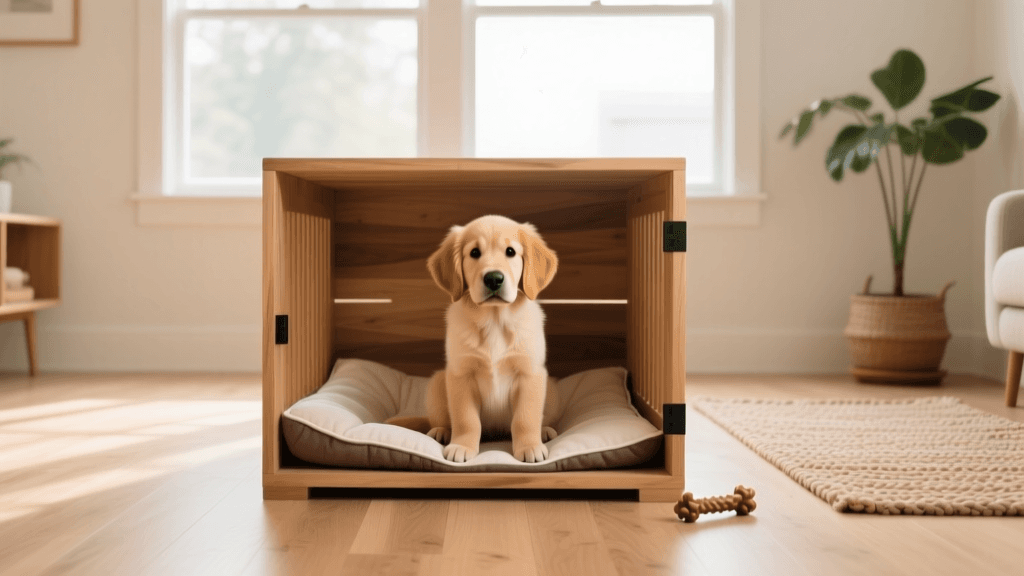
Choosing the right hardware is your first actionable step. For growing puppies, you need a crate that will fit their adult size but includes an adjustable divider panel. If a crate is too large, the puppy will designate one corner for sleeping and another for eliminating, completely defeating the den instinct.
Wire vs. Plastic Crates
Wire crates, such as the MidWest Homes for Pets iCrate ($40–$70), offer excellent visibility and ventilation, making them ideal for anxious puppies who need to see their owners. Plastic crates, like the Petmate Ultra Traditional Vari Kennel ($30–$60), provide a more enclosed, den-like feel, which is often preferred for travel and deep sleep.
Strategic Crate Placement
Where you place the crate in your home is just as important as the crate itself. For the first few weeks, keep the crate in a high-traffic family area during the day, such as the living room or kitchen, so the puppy does not feel isolated. At night, moving the crate into your bedroom can significantly reduce nighttime whining and separation anxiety. Hearing your breathing and smelling your scent reassures the puppy that they are safe within their den, promoting deeper sleep and reducing the urge to vocalize.
Crate Sizing Guide by Estimated Adult Weight
| Estimated Adult Weight | Recommended Crate Length | Example Breeds |
|---|---|---|
| Up to 25 lbs | 24 inches | Chihuahua, Pomeranian, Yorkshire Terrier |
| 26 - 40 lbs | 30 inches | Beagle, French Bulldog, Cocker Spaniel |
| 41 - 70 lbs | 36 inches | Border Collie, Bulldog, Standard Poodle |
| 71 - 90 lbs | 42 inches | Labrador Retriever, Golden Retriever, Boxer |
| 90+ lbs | 48 inches | German Shepherd, Great Dane, Mastiff |
Step-by-Step Crate Conditioning for Beginners
Never force your puppy into the crate; this creates negative associations and separation anxiety. Instead, use high-value rewards to build positive conditioning.
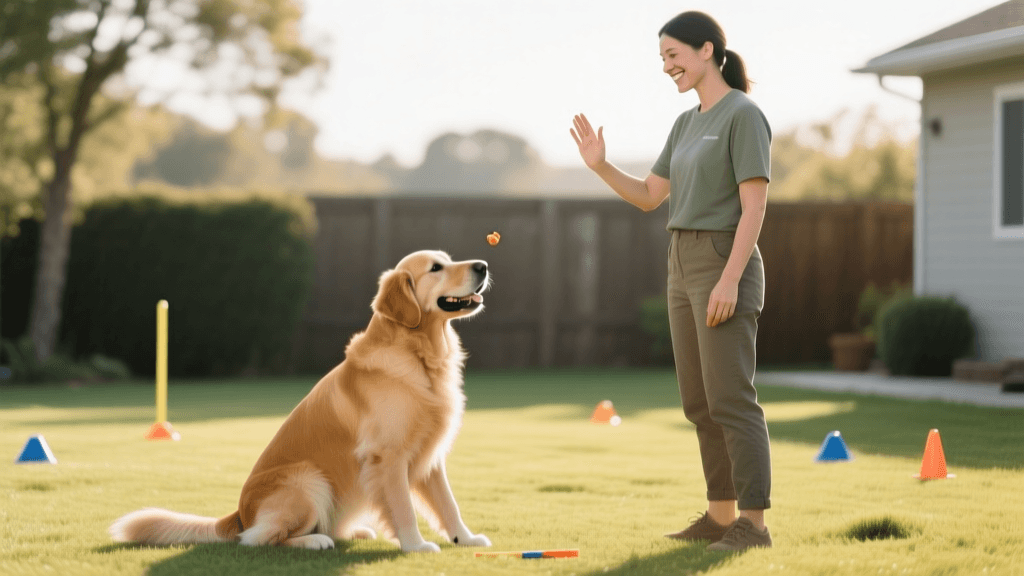
- Days 1-3 (Positive Association): Leave the door open. Toss high-value treats like Zuke's Mini Naturals into the back of the crate. Feed all meals inside the crate with the door open to build a strong positive correlation.
- Days 4-7 (Duration Building): Introduce a KONG Classic stuffed with dog-safe peanut butter and frozen. Give this only when the puppy enters the crate. Close the door for 5-minute intervals while you sit nearby, gradually increasing the time and your distance from the crate.
- Week 2 (Absence Training): Begin leaving the room for short periods (10-15 minutes). Do not make a big fuss when leaving or returning to normalize the crate as a standard, unemotional part of the daily routine.
The First-Time Owner’s Potty Training Schedule
Puppies thrive on routine. The general rule of thumb for bladder control is that a puppy can hold their bladder for one hour per month of age, plus one. Therefore, a two-month-old puppy can hold it for roughly three hours. However, during active play or immediately after eating, this window shrinks dramatically. The American Kennel Club (AKC) emphasizes that taking your puppy out on a strict schedule prevents accidents and accelerates the learning curve.
Essential Potty Break Triggers
- Immediately upon waking up in the morning or from a daytime nap.
- Within 15 to 30 minutes after eating a meal or drinking a large amount of water.
- Immediately after a vigorous play session or training exercise.
- Right before you go to bed for the night.
Using a Command Word and Leash
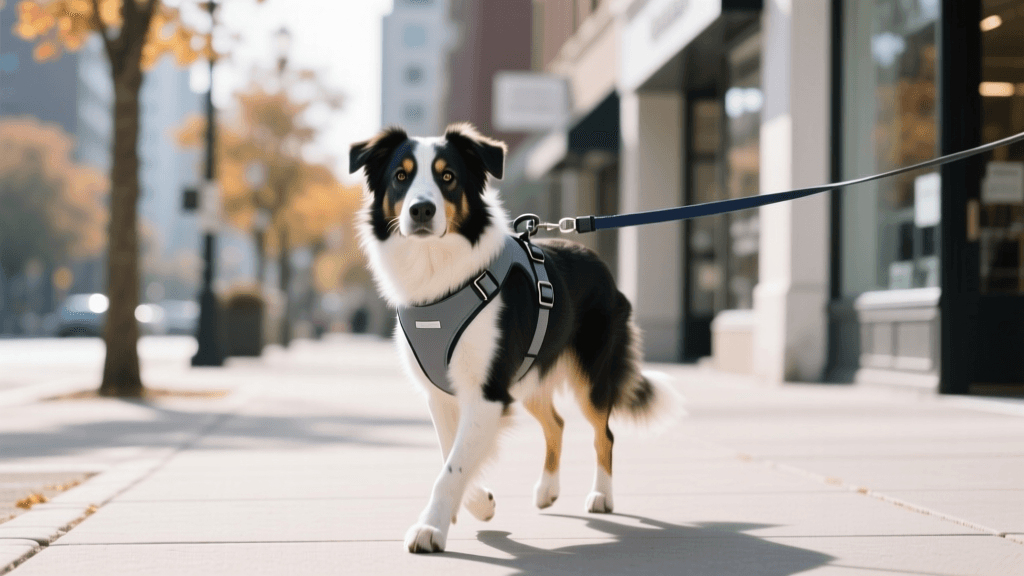
When you take your puppy outside, always use a leash, even if you have a fenced yard. This prevents the puppy from wandering off to play and keeps them focused on the task at hand. Choose a specific verbal cue, such as "Go Potty" or "Do Your Business," and say it in a calm, encouraging tone right as the puppy begins to eliminate. Once they finish, immediately provide a high-value reward and enthusiastic praise. This classical conditioning links the verbal cue to the physical action, eventually allowing you to prompt your dog to eliminate on command—a lifesaver during travel or inclement weather.
Nighttime Potty Breaks and Sleep Management
First-time owners often underestimate the disruption of nighttime potty breaks. For the first few months, you must set an alarm. If your puppy is 10 weeks old, set an alarm for 3 to 4 hours after they go to sleep. Keep the nighttime break strictly business: no playing, no talking, and minimal lighting. Carry the puppy outside to prevent them from having an accident on the way to the door, use your designated command word, reward with a small treat, and immediately return them to the crate.
Managing Accidents and the Importance of Enzymatic Cleaners
Even with a perfect schedule, accidents will happen. How you handle them dictates your long-term success. Never rub a puppy's nose in their mess or yell at them; dogs do not associate delayed punishment with the act of eliminating, and this will only teach them to hide from you when they need to go. Instead, interrupt the act with a sharp "Ah-ah!" if you catch them in the act, and immediately carry them outside to finish.
The Chemistry of Cleanup
Standard household cleaners do not break down uric acid crystals, meaning your puppy can still smell the biological markers of their accident, inviting them to soil the same spot again. You must use an enzymatic cleaner like Nature's Miracle Advanced Stain and Odor Eliminator (approximately $12). These cleaners utilize bio-enzymatic bacteria to literally consume the organic matter and uric acid, completely erasing the scent profile from your dog's highly sensitive olfactory system.
Patience and the Path to Independence
The Humane Society of the United States reminds owners that house training is a process of months, not days. Consistency, supervision, and positive reinforcement are your greatest tools. By utilizing a properly sized crate, adhering to a strict elimination schedule, and managing accidents with the right enzymatic products, first-time owners can bypass the frustration and build a confident, well-adjusted, and house-trained companion. Remember, every successful outdoor elimination celebrated with praise and treats is a deposit into your dog's behavioral bank account, paving the way for a lifetime of trust and obedience.
robin-maitland
All our authors care for dogs every day — read more of their work on the authors page.