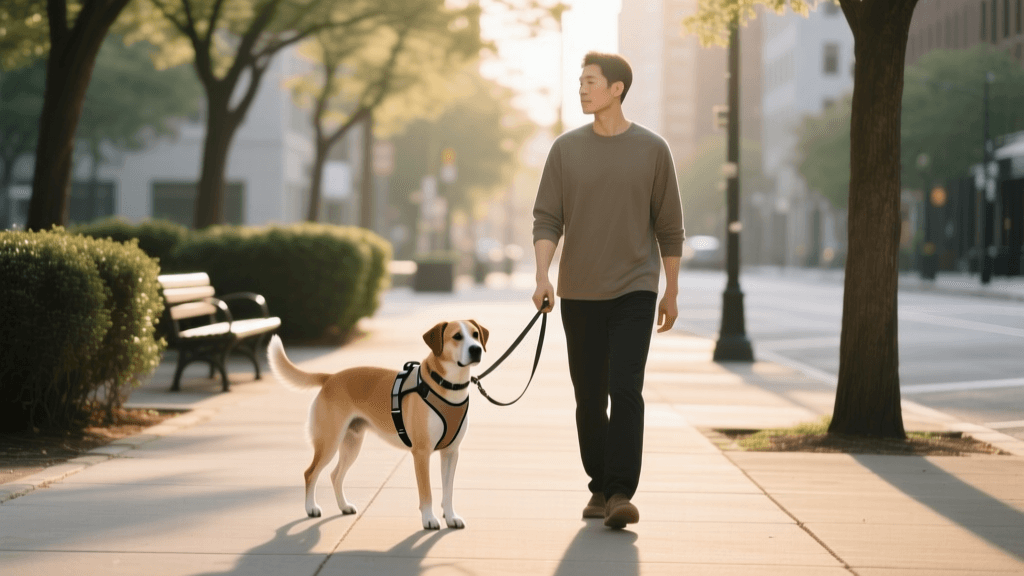
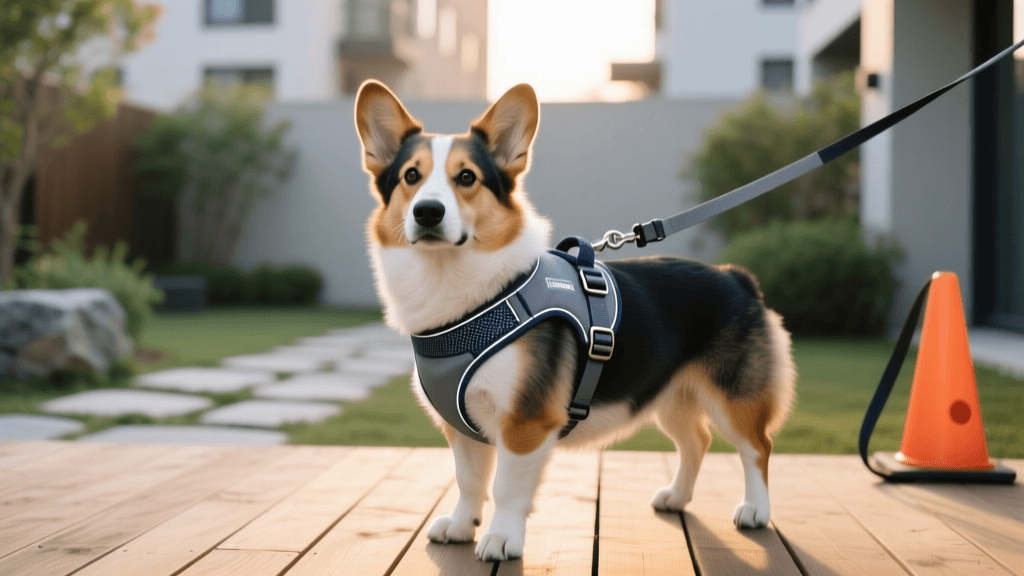
The Best Front-Clip Harnesses for Dog Leash Training
Discover the best front-clip harnesses for dog leash training. Compare top brands, learn proper fitting, and stop pulling with our expert buyer's guide.
Why Choose a Front-Clip Harness for Leash Training?
When it comes to obedience training and behavioral conditioning, leash pulling is one of the most common frustrations for dog owners. Whether you have a newly adopted rescue, an energetic adolescent pup, or a powerful working breed, teaching loose-leash walking is a foundational skill. However, the right training methodology must be paired with the correct equipment to see real, lasting results. According to the American Kennel Club (AKC), using the right walking equipment is the critical first step in curbing pulling behaviors without causing harm to your dog's trachea, neck, or spine.
Traditional back-clip harnesses, while great for hiking or sledding, actually encourage a dog's natural opposition reflex. When a dog feels pressure on their back, their instinct is to lean into it and pull harder. Front-clip harnesses solve this biomechanical issue, making them an indispensable tool in any positive reinforcement trainer's toolkit.
The Biomechanics: How Front-Clip Harnesses Stop Pulling
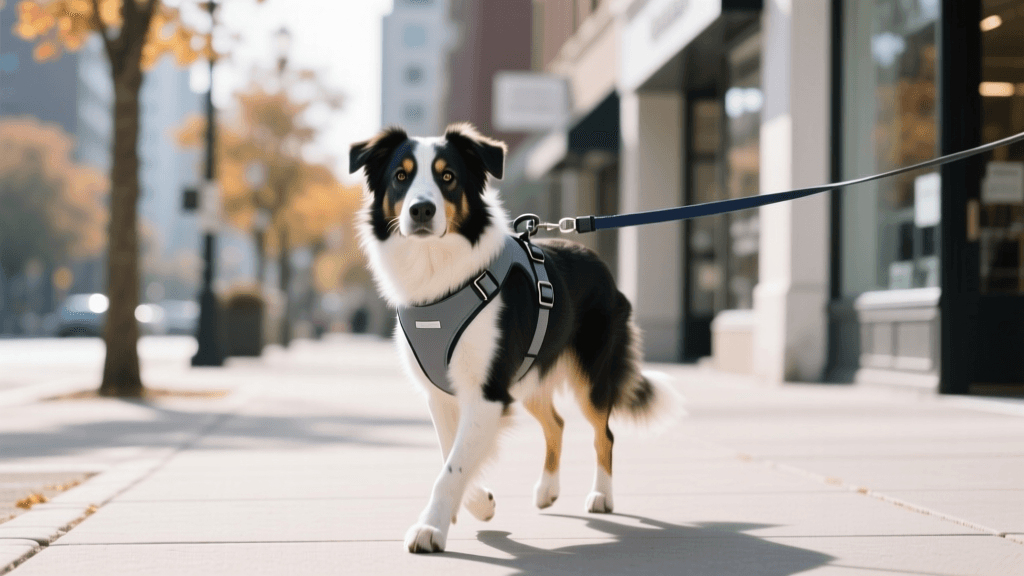
A front-clip harness features a D-ring located on the chest strap, right over the dog's sternum. When the dog pulls forward and hits the end of the leash, the tension on the front ring gently pivots the dog's chest and shoulders toward the handler. This redirection of momentum naturally breaks the dog's forward drive and turns them back to face you, making it physically difficult for them to continue pulling.
It is important to note that a front-clip harness is a management tool, not a magic cure. As highlighted by the experts at Preventive Vet, the harness prevents the dog from practicing the unwanted pulling behavior while you actively use treats and praise to reward them for staying by your side. Over time, the dog learns that a loose leash results in forward movement, while a tight leash results in a turn back to the handler.
Top 5 Front-Clip Harnesses for Dog Training (Buyer's Guide)
1. 2 Hounds Design Freedom No-Pull Harness (Best Overall)
The 2 Hounds Design Freedom Harness is widely considered the gold standard by professional dog trainers and veterinary behaviorists. It features a patented martingale loop on the back and a sturdy front D-ring, allowing for dual-clip leash attachment. The chest strap is lined with soft Swiss velvet to prevent chafing, a common issue with cheaper harnesses. Priced around $40, it offers four points of adjustment, ensuring a custom fit for deep-chested breeds like Greyhounds or barrel-chested breeds like Bulldogs.
2. Ruffwear Front Range Harness (Best for Active Dogs)
If your training sessions involve hiking, trail running, or extensive outdoor socialization, the Ruffwear Front Range (approx. $45) is a top-tier choice. It features a foam-padded chest and belly for all-day comfort, and the front webbing loop is reinforced with aluminum for durability. While it only has two points of adjustment (neck and girth), its anatomical design fits the vast majority of athletic dogs perfectly. The inclusion of reflective trim also makes it ideal for early morning or late evening training walks.
3. Blue-9 Balance Harness (Best for Custom Fit)
Recommended heavily by fear-free certified trainers, the Blue-9 Balance Harness (approx. $65) boasts six independent points of adjustment. This allows the harness to be custom-fitted over or under the dog's shoulders without restricting their natural gait or stride. The Y-shaped chest design ensures no pressure is placed on the dog's delicate shoulder joints. It is available in a buckle-neck version, making it an excellent choice for reactive dogs who are fearful of having equipment pulled over their heads.
4. Rabbitgoo No-Pull Dog Harness (Best Budget Option)
For owners on a strict budget or those fostering dogs that quickly outgrow their gear, the Rabbitgoo No-Pull Harness (approx. $25) is a highly capable entry-level option. It features a sturdy front metal ring and a back handle for quick grab-and-hold control during high-distraction socialization outings. While the nylon material is slightly less durable than premium brands and the padding is minimal, it provides the essential front-clip redirection needed for basic obedience training at a fraction of the cost.
5. Petsafe 3-in-1 Harness (Best Multi-Use)
The Petsafe 3-in-1 Harness (approx. $30) is a versatile workhorse. It features a front no-pull ring, a back ring for casual walks, and includes a two-point control strap for securing your dog in the car via a seatbelt. The martingale loop on the back provides gentle, even pressure if the dog pulls, while the front clip handles the heavy lifting during dedicated leash-training sessions. It is lightweight, easy to clean, and features bright, reflective stitching for visibility.
Comparison Chart: Top Training Harnesses
| Harness Brand | Best For | Adjustment Points | Approx. Cost |
|---|---|---|---|
| 2 Hounds Design Freedom | Overall Control & Anti-Chafe | 4 | $40 |
| Ruffwear Front Range | Active & Outdoor Dogs | 2 | $45 |
| Blue-9 Balance Harness | Custom Fit & Gait Freedom | 6 | $65 |
| Rabbitgoo No-Pull | Budget & Foster Dogs | 4 | $25 |
| Petsafe 3-in-1 | Multi-Use & Car Travel | 4 | $30 |
How to Measure and Fit a Training Harness
An ill-fitting harness can cause chafing, restrict breathing, or allow the dog to escape, which is incredibly dangerous near busy roads. To ensure a proper fit, follow these measurement steps before purchasing:
- Measure the Girth: Use a soft fabric measuring tape to measure the widest part of your dog's ribcage, usually just behind the front legs and elbows. This is the most critical measurement for any harness.
- Measure the Neck: Measure the base of the neck where a collar would naturally sit. This is necessary for harnesses that must be slipped over the head.
- The Two-Finger Rule: Once the harness is on, you should be able to comfortably slide two fingers between the straps and your dog's body at any point. If you can fit your whole hand, it is too loose and poses an escape risk. If you cannot fit two fingers, it is too tight and will restrict movement or breathing.
- Check Shoulder Mobility: Have your dog walk and trot while wearing the harness. Watch their front legs closely. The straps should not rub against the back of their armpits or restrict their natural stride length.
Training Protocol: Pairing the Harness with Positive Reinforcement
As noted in comprehensive reviews by Whole Dog Journal, simply snapping on a front-clip harness will not teach your dog obedience; it merely gives you the mechanical advantage needed to train them effectively. Here is a simple, actionable training protocol to use with your new harness:
- High-Value Rewards: Load your treat pouch with high-value, soft treats (like boiled chicken or freeze-dried liver). You need rewards that are more interesting than the environment.
- The 'Stop and Reset' Method: Begin walking in a low-distraction area like your living room or a quiet driveway. The exact second your dog pulls and the leash goes tight, stop walking completely. Do not yank the leash; simply become a tree.
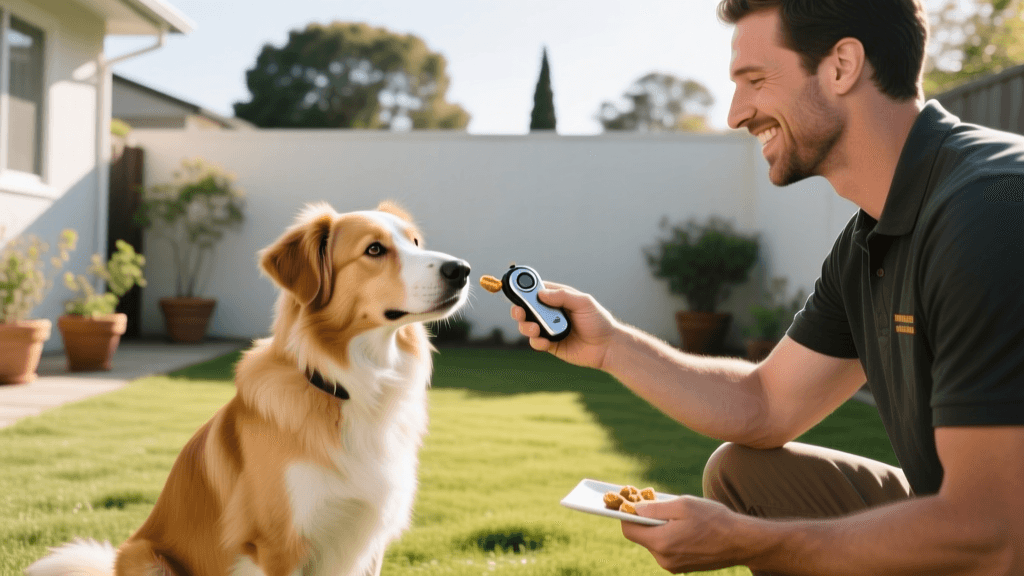
- Redirect and Reward: Wait for your dog to look back at you or take a step back toward you to release the tension on the front clip. The moment the leash is loose, mark the behavior with a clicker or a verbal 'Yes!', and deliver a treat right at the seam of your pants to reinforce the heel position.
- Change Direction: If your dog is hyper-fixated on a distraction ahead, cheerfully say 'Let's go!' and turn 180 degrees in the opposite direction. The front-clip will gently guide their shoulders around. When they catch up to your side, reward heavily.
Pro Training Tip: Keep your initial training sessions short—no more than 10 to 15 minutes. Leash training requires intense mental focus from your dog. Ending on a positive note before they become frustrated will build a lifelong love for walking by your side.
Common Mistakes When Using Front-Clip Harnesses
Even the best equipment can fail if used incorrectly. Here are a few common pitfalls to avoid during your leash training sessions:
- Leaving the Harness On 24/7: Harnesses are designed for active walking and training sessions. Leaving them on unsupervised can lead to skin irritation, fur matting, or the dog getting caught on furniture or fencing.
- Using a Retractable Leash: Pairing a front-clip harness with a retractable leash defeats the entire purpose of the tool. Retractable leashes maintain constant, light tension on the harness, which inadvertently teaches the dog that pulling is required to move forward. Always use a standard 4-to-6-foot flat leash or a hands-free training leash.
- Jerking the Leash: The front-clip is designed to gently redirect the dog's momentum using continuous, smooth pressure. Jerking, popping, or snapping the leash can cause shoulder strain, joint issues, or tracheal damage. Use smooth, steady guidance to steer your dog back to your side.
Final Thoughts on Leash Training Equipment
Investing in a high-quality front-clip harness is one of the most effective upgrades you can make to your dog training toolkit. By combining the biomechanical advantage of a chest-led harness with consistent, reward-based obedience training, you can transform chaotic, frustrating walks into enjoyable bonding experiences. Remember that patience, proper equipment fit, and impeccable timing with your treats are the true keys to achieving a perfect loose-leash walk.
tom-renshaw
All our authors care for dogs every day — read more of their work on the authors page.