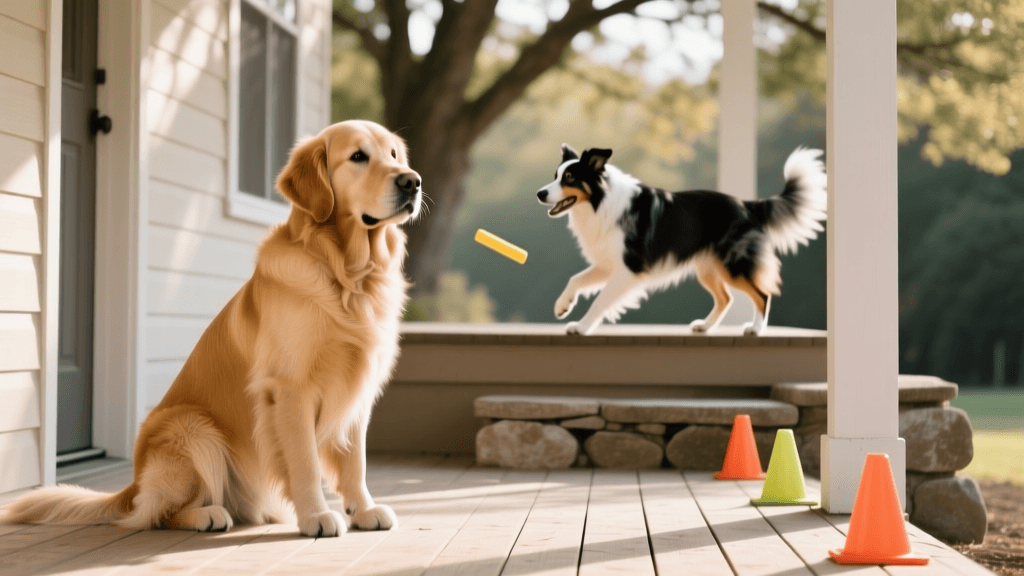
Fueling Focus: How Diet and Meal Timing Impact Dog Training
Discover how meal timing, treat selection, and canine nutrition impact your dog's focus and cognitive function during obedience training sessions.
The Intersection of Canine Nutrition and Cognitive Training
When we think of dog training, we often focus on the mechanics: the timing of the clicker, the clarity of our hand signals, and the consistency of our verbal cues. However, one of the most critical yet frequently overlooked components of successful behavioral conditioning and obedience training is canine nutrition. Just as a human athlete requires precise fueling for peak physical and mental performance, your dog relies on specific nutrients and strategic meal timing to maintain focus, retain new commands, and stave off mental fatigue during training sessions. In this health and nutrition deep dive, we will explore the biochemical relationship between your dog’s diet and their cognitive function, providing you with actionable, science-backed strategies to optimize your training routine.
The Neuroscience of Canine Learning and Nutrition
A dog’s brain is an energy-dense organ. Despite making up a small fraction of their total body weight, the brain consumes a significant portion of the body's resting glucose and metabolic energy. During intensive cognitive tasks—such as learning a new agility course, mastering a complex trick, or engaging in scent work—the brain's demand for glucose and essential fatty acids spikes. If your dog’s diet is lacking in critical neuro-supporting nutrients, you may notice a phenomenon known as 'cognitive fatigue.' This manifests as a sudden inability to focus, increased distractibility, or a regression in previously learned behaviors.
One of the most vital nutrients for canine brain health is Docosahexaenoic Acid (DHA), an omega-3 fatty acid. According to the American Kennel Club (AKC), DHA is crucial for proper brain and eye development in puppies, but its benefits extend well into adulthood. DHA supports synaptic plasticity, which is the brain's ability to strengthen or weaken synapses over time—the very mechanism by which learning and memory occur. Incorporating a high-quality fish oil supplement or a diet rich in marine-based omega-3s can significantly enhance your dog's ability to retain new obedience commands.
Additionally, Medium-Chain Triglycerides (MCTs) have been shown to provide an alternative energy source for the aging canine brain. MCTs bypass normal fat digestion and are rapidly converted into ketones, which cross the blood-brain barrier to fuel neurons directly. For senior dogs struggling with cognitive dysfunction or slower learning curves, adding a veterinarian-approved MCT oil to their diet can result in noticeably sharper focus during training sessions.
Strategic Meal Timing and the Hunger Drive
Beyond the actual composition of the food, when you feed your dog plays a pivotal role in training success. Dogs, like their wolf ancestors, are biologically wired to work for their food. In the wild, caloric intake is preceded by high-energy expenditure (hunting and foraging). We can leverage this evolutionary trait by utilizing the 'hunger drive' to our advantage during training.
A common mistake among amateur handlers is training a dog immediately after a large meal. When a dog is satiated, their parasympathetic nervous system (the 'rest and digest' network) takes over, leading to lethargy and a decreased motivation to work for food rewards. To maximize focus, schedule your most demanding training sessions 1 to 2 hours before your dog’s regular mealtime. This ensures their blood sugar is stable but their biological drive to acquire calories is high.
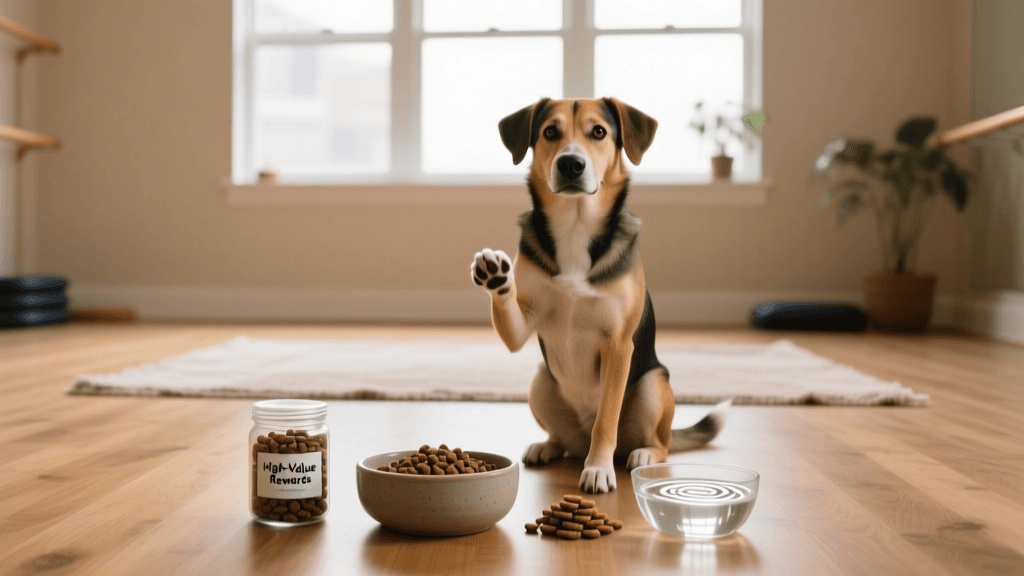
Furthermore, you do not always need to rely on extra treats. You can use your dog’s daily kibble allowance as training rewards. This practice, often referred to as 'working for a living,' transforms mealtime into an interactive training game. For basic obedience drills in low-distraction environments, such as 'sit,' 'down,' and 'stay' in your living room, standard kibble is highly effective and prevents unnecessary caloric surplus.
Selecting the Right Training Treats: A Nutritional Breakdown
Not all training scenarios are created equal. When introducing a new, complex behavior or working in a high-distraction environment (like a busy park), standard kibble will not suffice. You need 'high-value' treats that trigger a massive dopamine release, overriding environmental distractions. However, high-value treats are often calorie-dense, which requires careful management to prevent obesity.
Below is a comparison chart of popular training treats, detailing their caloric content, protein sources, and ideal use cases to help you make informed nutritional decisions:
| Treat Brand & Type | Calories per Treat | Protein Source | Best Use Case | Approx. Cost per oz |
|---|---|---|---|---|
| Zuke's Mini Naturals (Salmon) | 3.5 kcal | Salmon, Rice | Basic obedience, repetition | $0.60 |
| Stewart Freeze-Dried Beef Liver | 5.0 kcal | 100% Beef Liver | Recall, high-distraction environments | $1.20 |
| Charlie Bear Crunchies | 3.0 kcal | Wheat, Cheddar | Clicker training, shaping behaviors | $0.45 |
| Vital Essentials Freeze-Dried Minnows | 2.0 kcal | Whole Minnow | Dogs with poultry/beef allergies | $1.85 |
The 10% Rule: Managing Weight During Intensive Training
When utilizing food-based positive reinforcement, it is alarmingly easy to accidentally overfeed your dog. A dog consuming 50 treats a day during a heavy training weekend could easily ingest hundreds of empty calories, leading to rapid weight gain. Obesity in dogs is linked to joint issues, cardiovascular disease, and a shortened lifespan, which will ultimately hinder their physical ability to perform obedience and agility tasks.
Veterinary nutritionists universally recommend the '10% Rule.' According to the Tufts University Cummings Veterinary Medical Center, treats and table scraps should never account for more than 10% of your dog’s total daily caloric intake. The remaining 90% should come from a complete and balanced commercial diet or a veterinary-approved homemade recipe.
To implement this, calculate your dog’s daily caloric requirement based on their resting energy requirement (RER) and activity level. If your dog requires 500 calories a day, no more than 50 calories should come from training treats. If you are doing a high-volume clicker training session, deduct the calories of the treats used from their evening meal. Measure their kibble precisely using a digital kitchen scale rather than a standard measuring cup, as kibble density varies wildly between brands.
Navigating Food Sensitivities and Allergies
A dog cannot focus on a 'stay' command if their gastrointestinal tract is inflamed or their skin is itching due to a food allergy. Food sensitivities can manifest as chronic ear infections, paw licking, soft stools, or excessive flatulence. If you notice these symptoms, the underlying inflammation will cause systemic discomfort, drastically reducing your dog's cognitive bandwidth for training.
If your dog has known allergies to common proteins like chicken or beef, you must source novel protein treats. Novel proteins are ingredients your dog has never been exposed to, minimizing the risk of an immune response. Brands like Vital Essentials offer single-ingredient freeze-dried treats featuring novel proteins such as whole minnows, rabbit, or duck. While these treats are more expensive (often exceeding $1.50 per ounce), their high palatability means you can use smaller pieces, and the avoidance of veterinary bills for allergy flare-ups makes them a cost-effective choice in the long run. Always consult the World Small Animal Veterinary Association (WSAVA) guidelines when selecting specialized diets to ensure they meet rigorous nutritional standards.
Sample Daily Training and Feeding Schedule
To put these nutritional and timing strategies into practice, here is a sample daily schedule optimized for a dog undergoing intensive obedience training:
- 7:00 AM - Morning Walk & Potty: Light exercise to wake up the body and empty the bowels. No food yet.
- 7:30 AM - High-Focus Training Session (15 mins): Leverage the morning hunger drive. Use high-value treats (e.g., freeze-dried liver) to teach new, complex commands.
- 7:45 AM - Breakfast: Feed 70% of the daily kibble allowance. The remaining 30% is reserved for later training.
- 12:00 PM - Mental Enrichment: Feed 15% of the daily kibble allowance via a snuffle mat or puzzle toy to encourage natural foraging behaviors.
- 5:00 PM - Maintenance Training (20 mins): Practice previously learned commands in a distracting environment. Use the remaining 15% of the kibble allowance as rewards.
- 6:30 PM - Dinner: No formal dinner if the daily caloric limit has been met through training and enrichment. Adjust portions accordingly to maintain the 10% treat rule.
Conclusion
Mastering dog training requires more than just patience and repetition; it demands a holistic approach that includes a deep understanding of canine nutrition and biology. By strategically timing your meals to leverage the hunger drive, selecting brain-boosting nutrients like DHA and MCTs, and rigorously managing caloric intake through the 10% rule, you can dramatically enhance your dog’s cognitive function and learning speed. Remember that a well-nourished dog is a focused dog. Treat their diet with the same level of precision and dedication as you treat your training mechanics, and you will unlock a higher tier of obedience, focus, and behavioral success.
beth-carrasco
All our authors care for dogs every day — read more of their work on the authors page.