Choosing the Right Dog Breed for Your Training Goals
Discover how to choose the right dog breed for your training goals. Compare high-drive and low-drive breeds, costs, and actionable obedience tips.
The Intersection of Genetics and Obedience
Choosing a dog based purely on aesthetics or puppy-stage cuteness is a common pitfall that leads to mismatched expectations and, ultimately, training failures. When selecting a canine companion, it is crucial to align your lifestyle, patience levels, and training ambitions with the genetic predispositions of the breed in question. A dog's breed group heavily influences its biddability (willingness to please), prey drive, energy levels, and problem-solving capabilities. Understanding these traits is the first step toward successful behavioral conditioning and obedience training.
According to the American Kennel Club, breeds were historically developed for specific jobs, ranging from herding livestock to tracking game. These ingrained instincts do not vanish simply because a dog now lives in a suburban home. Therefore, selecting a breed that matches your training goals—whether you want a competitive agility champion, a reliable off-leash hiking partner, or a low-key couch companion—will dictate the methods, tools, and timelines you will need to employ.
Decoding Breed Groups and Their Training Needs
The Herding Group: High Biddability and Drive
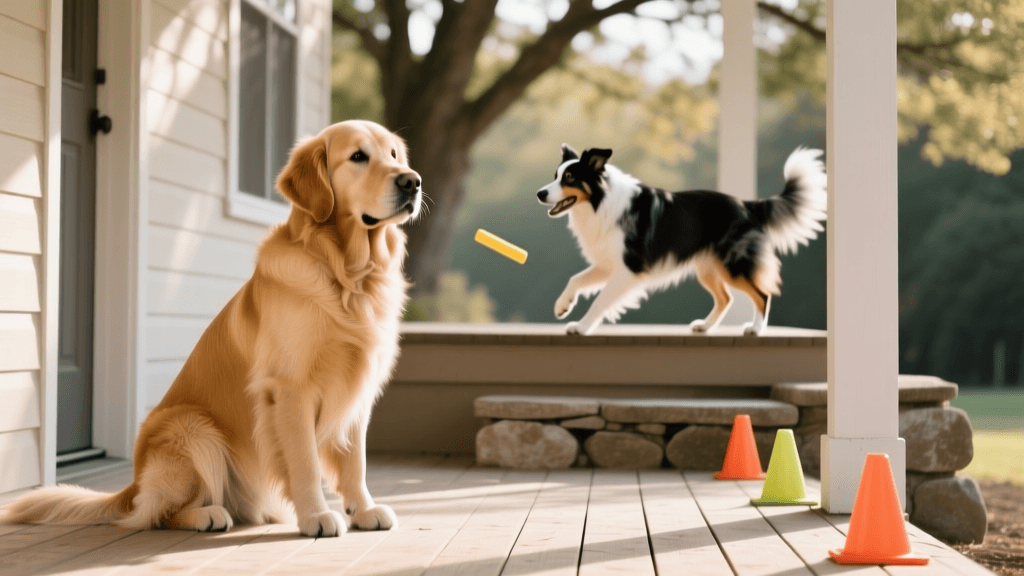
Herding breeds, such as the Border Collie, Australian Shepherd, and Belgian Malinois, are renowned for their intelligence and intense focus. These dogs are highly biddable, meaning they actively look to their handlers for direction. However, their high physical and mental drive means they require rigorous, structured training. Without an outlet, their herding instincts can manifest as nipping at children's heels or chasing cars. Training a herding breed requires incorporating impulse control exercises, advanced trick teaching, and dog sports like agility or rally obedience. Expect to dedicate at least 60 to 90 minutes daily to focused training and physical exertion.
The Sporting Group: Endurance and Retrieval Instincts
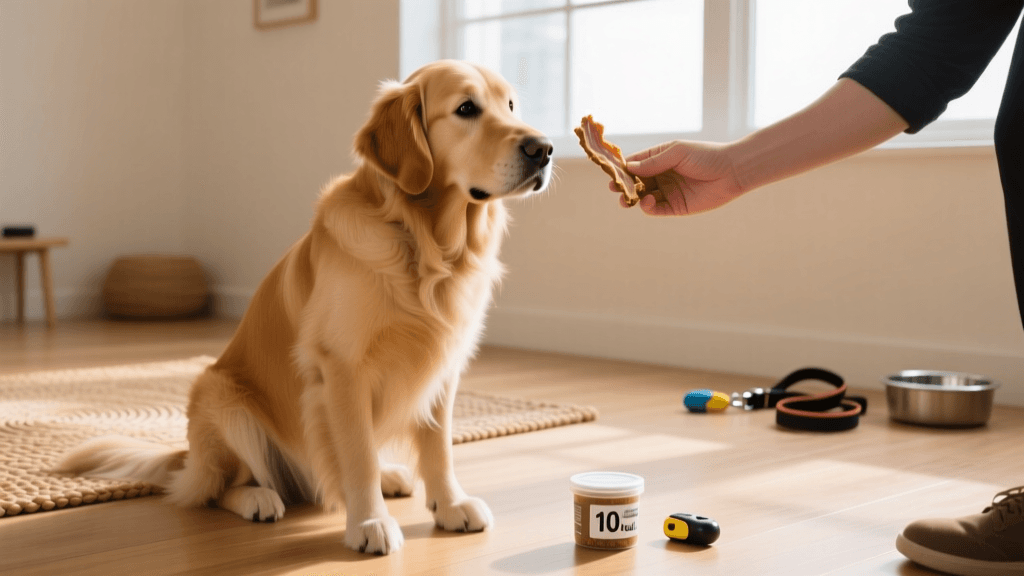
Sporting breeds, including Labrador Retrievers, Golden Retrievers, and German Shorthaired Pointers, are eager to please and highly food-motivated. They excel in basic obedience and retriever training. Their primary challenge is their exuberance and susceptibility to environmental distractions, particularly birds and wildlife. Training these dogs requires mastering the recall command and implementing structured fetch games to burn off energy. Using high-value rewards like Stewart Freeze-Dried Beef Liver treats can keep their attention locked on you during outdoor sessions.
Hounds and Terriers: Independence and Prey Drive
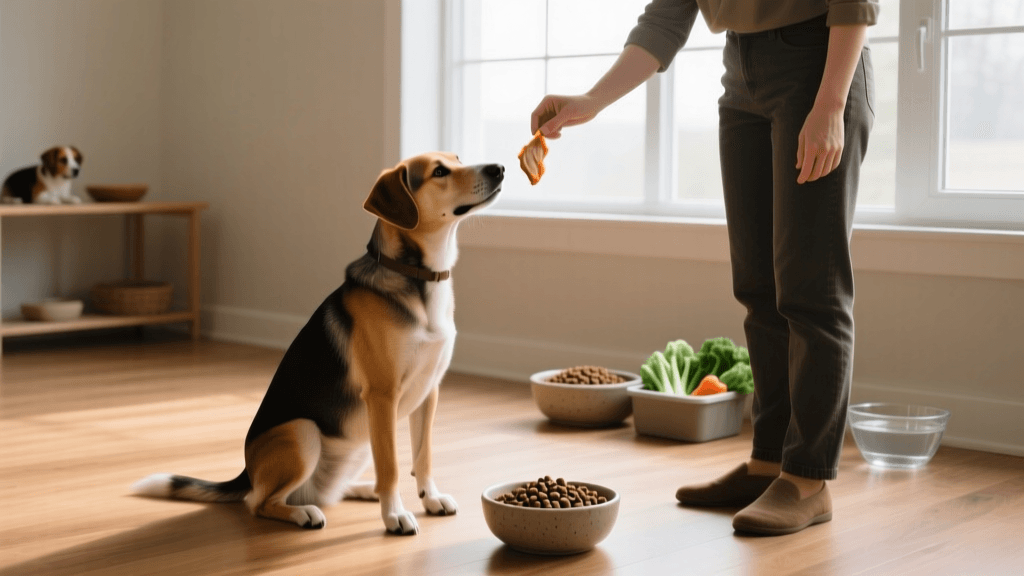
If your training goal is a dog that obeys instantly off-leash in an unfenced area, hounds and terriers may frustrate you. Breeds like the Beagle, Bloodhound, and Jack Russell Terrier are governed by their noses and their prey drive. They are independent thinkers, meaning they will often weigh whether following your command is more rewarding than chasing a squirrel. Training these breeds relies heavily on management, long-line leash work, and making yourself the most interesting thing in their environment. The ASPCA Dog Training Guidelines emphasize that positive reinforcement and patience are critical when working with independent breeds, as harsh corrections will only cause them to shut down.
Comprehensive Breed Training Comparison Table
The following table outlines the general training expectations, ideal environments, and estimated first-year costs associated with different breed profiles.
| Breed Profile | Example Breeds | Biddability | Daily Training Time | Best Training Method | Est. First-Year Cost |
|---|---|---|---|---|---|
| High-Drive Herding | Border Collie, Malinois | Very High | 60 - 90 mins | Shaping, Dog Sports, Clicker | $800 - $1,500 |
| Sporting / Retrieving | Labrador, Golden Retriever | High | 45 - 60 mins | Luring, Fetch-based Rewards | $500 - $900 |
| Scent Hounds | Beagle, Coonhound | Low to Moderate | 30 - 45 mins | Scent Work, Long-line Recall | $400 - $800 |
| Independent Terriers | Jack Russell, Cairn Terrier | Moderate | 30 - 45 mins | High-Value Treats, Impulse Control | $400 - $700 |
| Low-Drive / Toy | Pug, Basset Hound, Greyhound | Low | 15 - 20 mins | Short Sessions, Food Motivation | $300 - $600 |
Actionable Gear Recommendations by Breed Profile
Gear for High-Drive and Heavy Pullers
For powerful, high-drive breeds that tend to pull on the leash or require advanced field training, standard nylon collars are insufficient and can cause tracheal damage. Invest in a front-clip harness like the Ruffwear Front Range Harness (approx. $40), which gently redirects the dog's momentum toward you when they pull. For advanced off-leash training with sporting or herding breeds in open fields, an e-collar can be a valuable communication tool when used correctly by a professional. The Garmin Delta Sport XC (approx. $250) offers precise stimulation levels, tone, and vibration, but should only be introduced after a solid foundation of positive reinforcement is established.
Gear for Sensitive and Low-Drive Breeds
Independent or sensitive breeds, such as Greyhounds or Shiba Inus, often respond poorly to physical pressure and require a more nuanced approach. A lightweight, well-fitted back-clip harness like the Julius-K9 IDC Powerharness (approx. $90) provides comfort without restricting their natural gait. For mental stimulation, which is vital for keeping independent thinkers engaged without overwhelming them physically, use puzzle feeders. The Starmark Bob-A-Lot (approx. $25) is an excellent adjustable treat-dispensing toy that forces hounds and terriers to use their problem-solving skills to earn their kibble, turning mealtime into a training session.
Structuring Your First-Year Training Budget and Timeline
Timeline Milestones
Regardless of the breed, the first year of a dog's life is critical for behavioral conditioning. From 8 to 16 weeks, your primary focus must be socialization and basic house training. Expose your puppy to various surfaces, sounds, and people to prevent fear-based reactivity. Between 4 and 6 months, begin formal basic obedience (sit, stay, down, recall). This is also when teething and adolescent regression occur, requiring immense consistency. From 6 to 12 months, you will focus on "proofing" these commands in highly distracting environments, such as busy parks or outdoor cafes.
Financial Investment
Budgeting for training is just as important as budgeting for veterinary care. For high-drive breeds, anticipate spending between $150 and $300 on a 6-week group obedience class, followed by specialized sport classes (agility, scent work) costing $20 to $40 per session. If you opt for a board-and-train program to establish foundational obedience, expect to pay anywhere from $1,500 to $3,000 for a two-to-three-week immersion. Additionally, factor in the ongoing cost of high-value training treats (e.g., Zuke's Mini Naturals, $12 per bag) and gear replacements as your dog grows.
Authoritative Resources and Further Reading
Understanding the deep-seated genetic traits of your chosen breed is the cornerstone of successful dog ownership. To dive deeper into breed-specific temperaments, the C-BARQ database maintained by the University of Pennsylvania provides extensive, scientifically backed behavioral data on hundreds of breeds, helping prospective owners understand typical aggression, fear, and trainability scores. Furthermore, the American Kennel Club offers detailed breed histories and standard temperament expectations that should guide your selection process before you ever bring a puppy home.
robin-maitland
All our authors care for dogs every day — read more of their work on the authors page.