Diagnosing and Solving Dog Resource Guarding Issues
Learn to diagnose dog resource guarding early. Discover actionable, step-by-step solutions, trade-up games, and management tips for a safer home.
Understanding Canine Resource Guarding
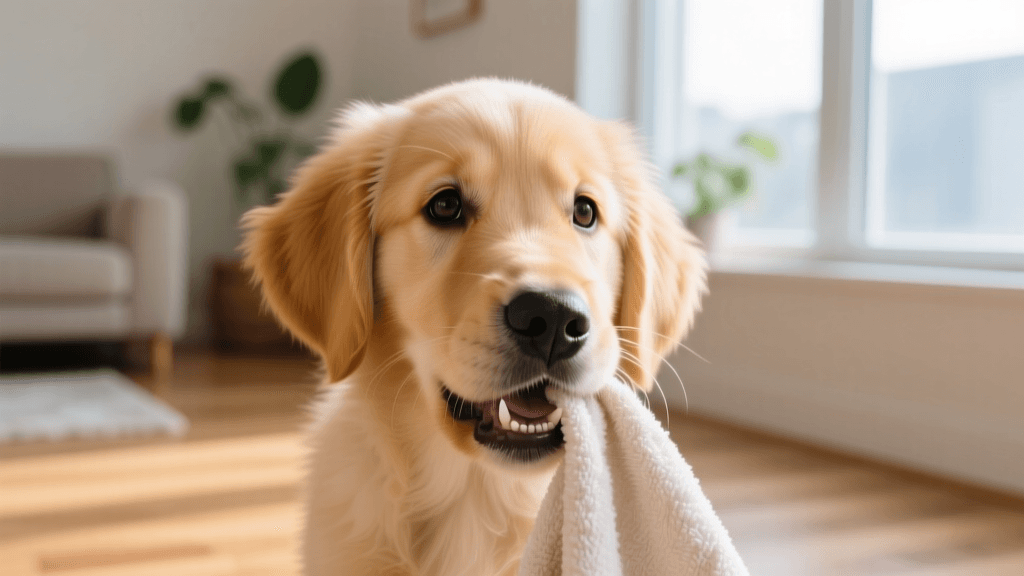
Resource guarding is one of the most misunderstood behavioral issues in canine psychology. At its core, it is a natural survival instinct where a dog exhibits defensive behaviors to protect valuable items—such as food, toys, beds, or even their favorite humans—from perceived thieves. While this behavior is entirely normal from an evolutionary standpoint, it becomes a significant problem when it poses a safety risk to families, children, or other pets. Diagnosing the root cause and implementing structured, positive reinforcement-based solutions is critical for restoring harmony in your household.
Diagnosing the Problem: Early Warning Signs
Many dog owners fail to recognize resource guarding until the dog escalates to growling or biting. However, dogs communicate their discomfort through a ladder of subtle body language signals long before an aggressive outburst occurs. Early diagnosis requires a keen eye for these micro-expressions. According to the Fear Free Pets initiative, understanding these subtle stress signals is the first step in preventing a bite.
Below is a diagnostic comparison chart to help you identify whether your dog is exhibiting early-stage stress or late-stage defensive aggression.
| Subtle Signs (Early Stage) | Overt Signs (Late Stage) |
|---|---|
| Freezing or stiffening over the item | Low, rumbling growl |
| Whale eye (showing the whites of the eyes) | Curling lips or baring teeth |
| Rapid eating or gulping when approached | Snap or lunge toward the person |
| Lip licking, yawning, or turning head away | Biting or making physical contact |
| Hovering or blocking access to the item | Chasing the perceived threat away |
If you notice any of the subtle signs, it is time to intervene with management and training before the behavior escalates to the overt stage.
Why Do Dogs Guard Resources?
Resource guarding is rarely about 'dominance' or a dog trying to be the 'alpha.' Instead, it is rooted in anxiety, insecurity, or a learned history of scarcity. Puppies raised in large litters where food was limited often learn to eat quickly and guard their bowls. Similarly, rescue dogs who have experienced neglect or starvation may develop intense guarding behaviors as a trauma response. Genetics also play a role; certain herding and terrier breeds may be more predisposed to possessiveness over toys or moving objects. Furthermore, a dog's perception of 'value' is subjective. While you might see a dirty sock as trash, your dog might view it as a high-value item that smells intensely of their favorite human, making it worth defending.
Step-by-Step Solutions to Stop Resource Guarding
Solving resource guarding requires a two-pronged approach: immediate environmental management to ensure safety, and long-term behavioral modification to change the dog's emotional response. Here is a comprehensive, actionable guide to fixing this issue.
1. Immediate Environmental Management
Management prevents rehearsal of the unwanted behavior. Every time your dog successfully guards an item, the behavior is reinforced. To stop this cycle, you must control the environment.
- Physical Separation: Invest in sturdy baby gates or exercise pens. A standard 30-inch tall metal pet gate (Cost: $35–$50) is ideal for separating dogs during meal times or when high-value chews are distributed.
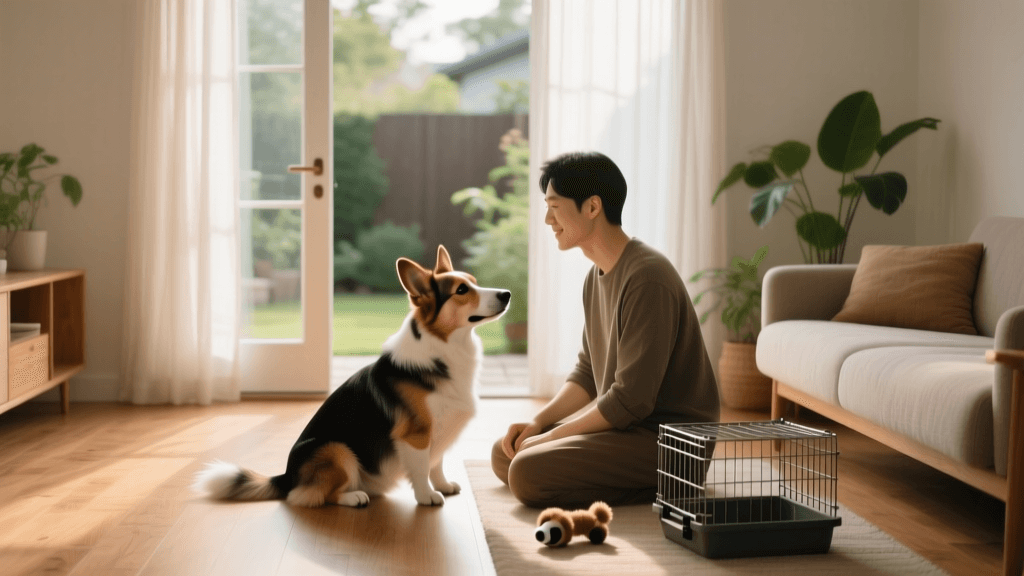
- Crate Feeding: Feed your dog inside their crate with the door closed. This provides a secure, predictable environment where they feel no need to defend their food.
- Item Pick-Up Protocol: Keep the house 'clean' of high-value triggers. Do not leave rawhides, bully sticks, or favorite squeaky toys on the floor. Only offer these items when the dog is confined to a crate or a separate room.
2. The 'Trade-Up' Game
The Trade-Up game teaches your dog that giving up an item results in something even better. This completely changes the emotional paradigm from 'they are stealing my stuff' to 'they are bringing me upgrades.'
How to execute the Trade-Up Game:
- Start Low-Value: Give your dog a low-value toy (e.g., a basic plush toy or a rope).
- Prepare the Upgrade: Have a high-value treat ready in your pouch. Freeze-dried liver, boiled chicken breast, or string cheese are excellent choices. The treat must be significantly more valuable than the toy.
- Initiate the Trade: Approach calmly, toss the high-value treat on the floor a few feet away from the dog. As the dog drops the toy to eat the treat, calmly pick up the toy.
- The Return (Crucial Step): Once the dog finishes the treat, give the toy back. If you always take the toy away forever, the dog will learn that trades are a scam. Returning the item builds immense trust.
Timing & Frequency: Practice this for 5 minutes, twice a day. Over the course of 2 to 3 weeks, gradually work up to trading higher-value items like KONG toys stuffed with peanut butter.
3. Desensitization and Counter-Conditioning (Food Bowl)
If your dog guards their food bowl, you must change their association with humans approaching their eating area. Never simply reach in and take the bowl away to 'show them who is boss.' This will only increase their anxiety and aggression.
The Protocol:
- Find the Threshold: Determine the distance at which your dog notices you but does not freeze or growl. This might be 10 feet away.
- Toss High-Value Treats: While the dog is eating their regular kibble, stand at the 10-foot threshold and toss a piece of boiled chicken into their bowl. Do not make eye contact; just toss and walk away.
- Decrease Distance: After 5 to 7 successful sessions where the dog wags their tail and looks forward to your approach, decrease the distance by 2 feet.
- Work Up to the Bowl: Over several weeks, work your way up to standing directly next to the bowl, eventually adding treats directly from your hand while they eat.
Common Mistakes Owners Make During Training
When dealing with a resource guarding dog, human error can inadvertently reinforce the very behavior you are trying to eliminate. Avoid these common pitfalls:
- Reaching into the bowl: Many old-school training guides suggest randomly putting your hands into a puppy's food bowl to 'get them used to it.' If the puppy is not entirely comfortable, this triggers a defensive response and teaches them that hands near food equal theft.
- Forcing the drop: Prying a dog's jaws open to retrieve a stolen item is incredibly dangerous. It not only risks a severe bite to your face or hands but also confirms the dog's fear that you are a resource thief. Always use the Trade-Up game instead.
- Inconsistency among family members: If one parent enforces the crate-feeding rule while another allows the dog to roam the living room with a bully stick, the dog will remain confused and anxious. All household members must adhere strictly to the management protocol.
What to Avoid: The Danger of Punishment
It is a common misconception that you must punish a dog for growling to establish authority. The American Veterinary Society of Animal Behavior (AVSAB) strongly advises against using punishment, dominance theory, or 'alpha rolls' to treat behavioral issues. Punishing a growl does not eliminate the dog's underlying fear or anxiety; it merely suppresses the warning signal. This results in a dog that no longer gives you a heads-up and escalates directly to a bite. Positive reinforcement and desensitization are the only scientifically backed methods for resolving resource guarding safely.
When to Hire a Professional
While mild guarding over toys can often be managed with the Trade-Up game, severe guarding that involves snapping, biting, or guarding multiple resources simultaneously requires professional intervention. If your dog has broken skin, or if you have children in the home, do not attempt to rehabilitate the dog alone.
Seek out a certified professional dog trainer (CPDT-KA) or a veterinary behaviorist (DACVB). The Kennel Club and other major canine organizations recommend working with accredited behaviorists who utilize force-free, science-based methodologies. Expect to invest between $150 and $250 per session for private in-home behavioral consultations, which typically span 6 to 8 weeks for significant improvement.
Final Thoughts
Resource guarding is a manageable condition when approached with empathy, patience, and structured training. By diagnosing the early warning signs, implementing strict environmental management, and utilizing counter-conditioning protocols, you can help your dog feel secure enough to share their world without fear. Remember, the goal is not to prove who is in charge, but to teach your dog that human hands only bring good things.
robin-maitland
All our authors care for dogs every day — read more of their work on the authors page.