How Your Dog's Diet Influences Anxiety and Behavior
Discover how the gut-brain axis impacts canine behavior. Learn which nutrients reduce dog anxiety and improve focus with our nutrition deep-dive guide.
The Hidden Link Between Your Dog's Bowl and Their Brain
When a dog exhibits behavioral issues such as leash reactivity, separation anxiety, hyperactivity, or an inability to focus during training, owners and trainers often look exclusively at environmental triggers, socialization gaps, or obedience protocols. While these are critical components of canine psychology, there is a profound, often overlooked factor at play: nutrition. The phrase "you are what you eat" applies just as heavily to your dog's mental state as it does to their physical health.
In the field of canine behavioral science, a paradigm shift is occurring. Experts are increasingly recognizing that a dog's gastrointestinal tract and their brain are in constant, bidirectional communication. If your dog's diet is lacking in essential neuro-supporting nutrients, or if their gut microbiome is compromised by poor-quality fillers, no amount of positive reinforcement training will fully resolve their underlying anxiety or hyperactivity. Understanding the biological roots of your dog's behavior is the first step toward holistic rehabilitation.
Understanding the Canine Gut-Brain Axis
The gut-brain axis is a complex communication network that links the enteric nervous system (the network of neurons lining the gut) to the central nervous system. In dogs, this connection is primarily facilitated by the vagus nerve, the immune system, and microbial metabolites. The bacteria residing in your dog's digestive tract ferment dietary fibers to produce Short-Chain Fatty Acids (SCFAs), such as butyrate, propionate, and acetate. These SCFAs can cross the blood-brain barrier and directly influence neuroinflammation, stress responses, and the production of neurotransmitters like serotonin and dopamine.
In fact, an estimated 90% of the body's serotonin—the primary neurotransmitter responsible for regulating mood, sleep, and feelings of well-being—is produced in the gut, not the brain. When a dog consumes a diet high in ultra-processed carbohydrates and low in bioavailable proteins and fibers, the gut microbiome becomes dysbiotic. This dysbiosis triggers systemic inflammation, which can manifest behaviorally as heightened reactivity, poor impulse control, and chronic anxiety. According to the Tufts Veterinary Clinical Nutrition Service, while diet alone is not a replacement for behavioral modification or veterinary-prescribed anxiety medications, targeted nutritional support plays a vital role in managing canine cognitive and emotional health.
Nutrients That Calm the Canine Mind
To support a resilient nervous system, your dog requires specific building blocks. Below is a breakdown of the most critical nutrients for canine behavioral health, their psychological benefits, and how to incorporate them into your dog's routine.
| Nutrient | Behavioral Benefit | Best Natural Sources | Actionable Advice & Dosage Notes |
|---|---|---|---|
| Omega-3 Fatty Acids (EPA/DHA) | Reduces neuroinflammation, improves focus, and lowers aggression linked to anxiety. | Wild-caught sardines, mackerel, salmon oil, green-lipped mussel. | Target 50-100mg of combined EPA/DHA per kg of body weight daily. Products like Nordic Naturals Omega-3 Pet offer reliable, heavy-metal-tested dosing. |
| Tryptophan | Precursor to serotonin; promotes relaxation and regulates sleep-wake cycles. | Turkey, chicken, pumpkin seeds, spirulina, cottage cheese. | Feed as part of a balanced, fresh-food topper. Avoid high-protein meals that compete for blood-brain barrier transport; pair with a small complex carb. |
| B-Complex Vitamins | Supports nervous system function; deficiency leads to irritability and cognitive decline. | Organ meats (liver, kidney), nutritional yeast, eggs. | Adding 1/2 teaspoon of nutritional yeast to meals provides a natural, bioavailable B-vitamin boost for small to medium dogs. |
| Probiotics (Specific Strains) | Modulates the vagus nerve to reduce cortisol (stress hormone) spikes. | Fermented goat's milk, kefir, high-quality canine-specific supplements. | Look for Bifidobacterium longum (found in Purina Calming Care) or Lactobacillus rhamnosus. Administer away from antibiotic schedules. |
| Magnesium | Acts as a natural relaxant; calms the central nervous system and eases muscle tension. | Spinach, pumpkin seeds, bone broth, kelp. | Consider a chelated magnesium supplement if your dog exhibits physical signs of stress (panting, pacing) post-exercise. |
The American Kennel Club (AKC) highlights that introducing canine-specific probiotics can significantly aid dogs suffering from stress-induced gastrointestinal upset, which is a common symptom of separation anxiety and travel phobias. By stabilizing the gut flora, you indirectly stabilize the dog's emotional baseline.
Behavioral Signs of Nutritional Deficiencies
How do you know if your dog's behavior is rooted in a nutritional gap? Canine psychology often expresses physical deficiencies through abnormal behaviors. Watch for the following signs:
- Pica and Coprophagia: Eating dirt, rocks, or feces is often a behavioral compulsion driven by an instinctual craving for missing minerals, enzymes, or gut microbes.
- Post-Meal Hyperactivity: If your dog eats a kibble high in high-glycemic index carbohydrates (like corn, wheat, or white rice), their blood sugar will spike and rapidly crash. This crash triggers an adrenaline release, resulting in the "zoomies", irritability, and an inability to settle.
- Poor Stress Recovery: A dog that takes an unusually long time to return to a resting heart rate after a mild stressor (like the doorbell ringing) may lack the magnesium and Omega-3s required to down-regulate their sympathetic nervous system.
- Obsessive Licking or Chewing: Often misdiagnosed solely as boredom, acral lick dermatitis can be linked to systemic inflammation and poor gut health triggering endorphin-seeking behaviors.
The Psychology of Foraging: Why *How* They Eat Matters
Understanding your dog's behavior requires looking through the lens of their evolutionary history. Dogs are not naturally bowl-fed animals; they are opportunistic scavengers and foragers. In the wild, canines spend up to 80% of their waking hours searching for, capturing, and processing food.
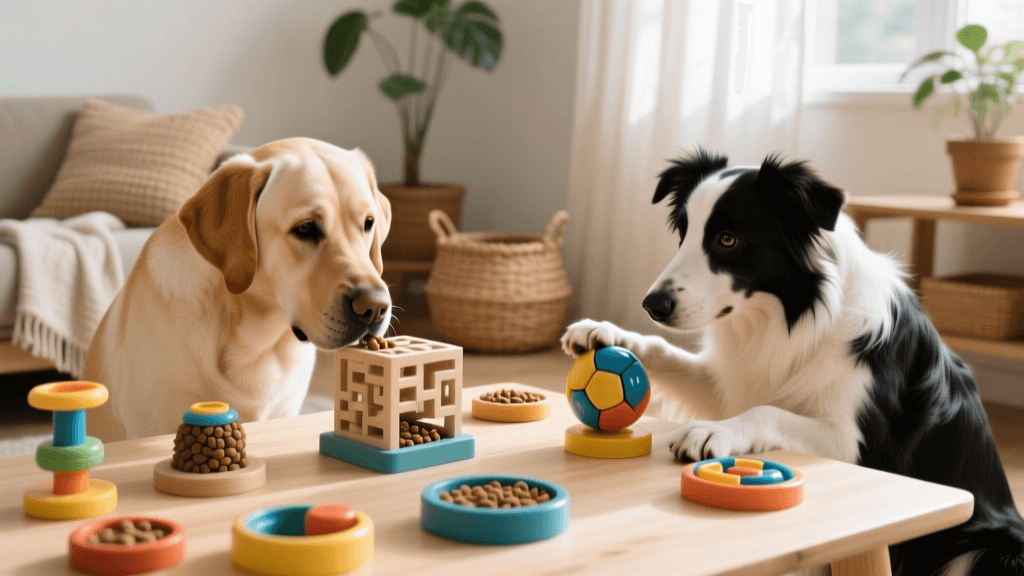
When we place a bowl of highly palatable, easily consumed kibble in front of a modern dog, they finish it in under two minutes. This leaves them with a massive caloric surplus and hours of unfulfilled instinctual drive. In canine psychology, this phenomenon relates to contrafreeloading—the proven behavioral trait where animals prefer to work for their food rather than consume it for free. When a dog's foraging instinct is suppressed by bowl-feeding, the resulting frustration and boredom frequently manifest as destructive chewing, excessive barking, and hyper-vigilance.
"Mental enrichment through foraging burns more cognitive energy than a 30-minute walk. Fulfilling the scavenging instinct is a non-negotiable pillar of canine behavioral health."
Actionable Steps: Upgrading Your Dog's Diet for Better Behavior
To align your dog's nutrition with their psychological needs, implement the following actionable steps:
1. Ditch the Bowl and Embrace Enrichment
Replace standard food bowls with foraging tools. Use an Outward Hound Snuffle Mat to scatter their daily kibble or freeze-dried raw toppers, forcing them to use their olfactory senses (which account for up to 40% of their brain's processing power). Alternatively, use a KONG Classic stuffed with plain, unsweetened pumpkin puree, a dash of kefir, and frozen bone broth. This provides 20-30 minutes of licking and chewing, which releases endorphins and naturally lowers heart rate.
2. Audit the Ingredient Panel for Neuro-Disruptors
Consult the World Small Animal Veterinary Association (WSAVA) guidelines to ensure your dog's base diet meets rigorous nutritional standards. Avoid foods where the primary ingredients are refined starches. Look for diets that incorporate functional fibers (like chicory root or beet pulp) to feed the gut microbiome, and ensure the protein source is highly digestible to prevent gut inflammation.
3. Implement a Targeted Calming Protocol
For dogs with known anxiety triggers (e.g., thunderstorms, fireworks, vet visits), proactively use nutrition. Administer a high-quality L-theanine supplement (an amino acid found in green tea that promotes alpha-brain waves associated with relaxed alertness) 45 minutes before the triggering event. Pair this with a long-lasting chew, such as a yak milk chew or a bully stick, as the mechanical act of chewing is inherently self-soothing for the canine brain.
Conclusion
Understanding your dog's behavior goes far beyond reading their body language or mastering leash mechanics. It requires a deep appreciation for the biological machinery that drives their emotions, impulses, and cognitive function. By respecting the gut-brain axis, providing neuro-supportive nutrients, and honoring their innate foraging instincts, you can dramatically shift your dog's emotional baseline. Nutrition is not just fuel for the body; it is the foundation of a calm, focused, and resilient mind.
robin-maitland
All our authors care for dogs every day — read more of their work on the authors page.