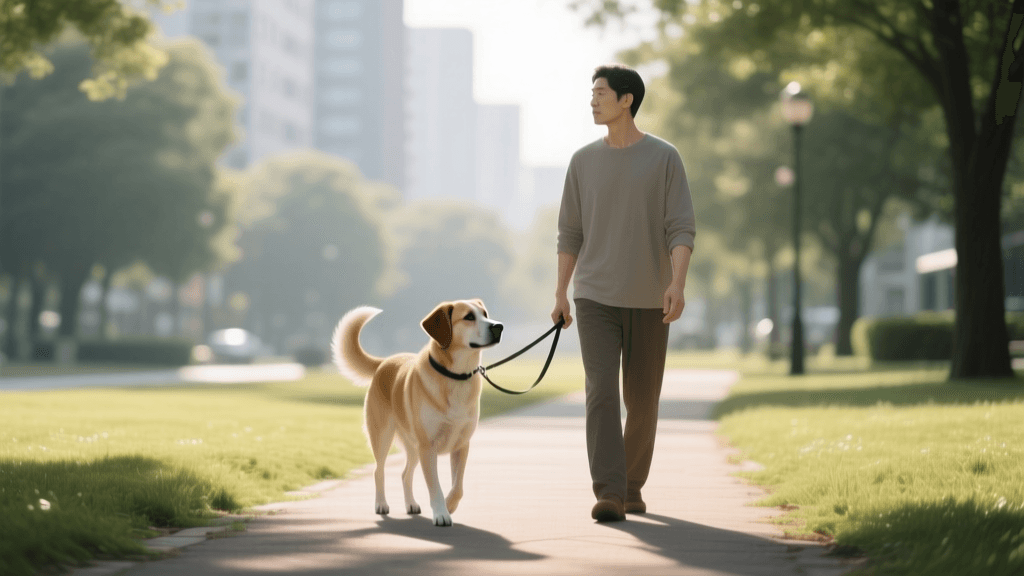
Understanding Leash Reactivity: Thresholds and BAT Training
Discover the root causes of leash reactivity in dogs. Learn expert behavior analysis, threshold management, and BAT training techniques for calmer walks.
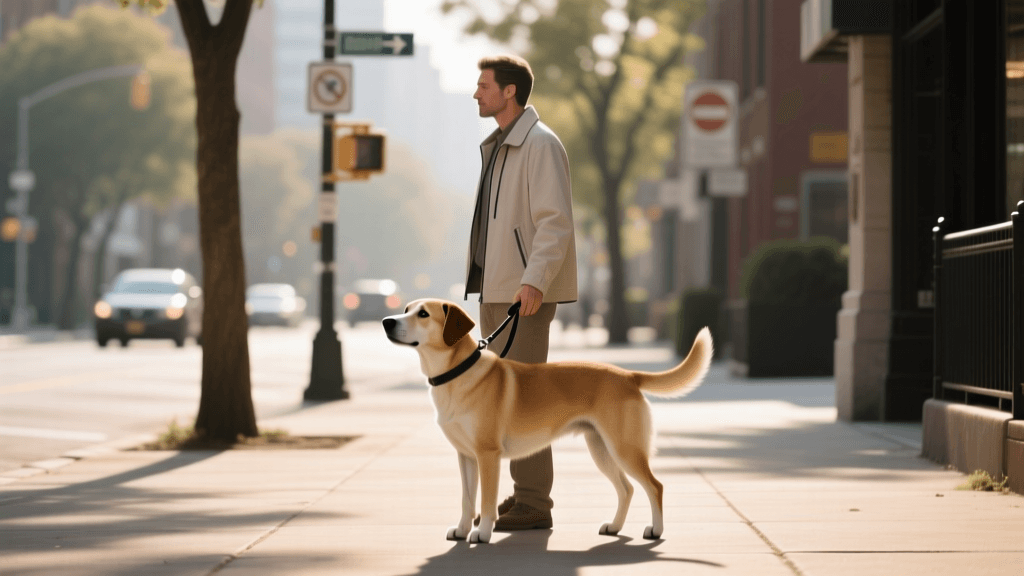
The Ethology of the Leash: Why Restraint Triggers Reactivity
As an expert in canine behavior analysis, one of the most common and misunderstood issues I encounter is leash reactivity. To the untrained eye, a dog lunging, barking, and snarling at the end of a leash appears purely aggressive. However, true aggression and leash reactivity are fundamentally different behavioral phenomena. According to the ASPCA, much of what owners perceive as aggression on a leash is actually rooted in fear, anxiety, or barrier frustration.
In natural, off-leash environments, dogs greet one another using a complex series of calming signals and curved approaches. A polite canine greeting involves an arc-shaped approach, averted eyes, and mutual sniffing of the rear end. This curved body language communicates peaceful intentions and prevents direct confrontation. When we attach a standard six-foot leash to a dog, we strip them of their ability to perform these natural, tension-diffusing rituals. Instead, the leash forces a linear, head-on approach directly into the face of an oncoming dog. In canine ethology, a direct, stiff, head-on approach is inherently confrontational and threatening.
Furthermore, the physical restraint of the leash triggers barrier frustration. The dog sees a trigger (another dog, a skateboard, a stranger) and experiences a surge of arousal. Their natural instinct is to either flee or investigate, but the leash restricts both options. This restriction causes a rapid escalation of emotional arousal, culminating in the explosive barking and lunging that owners find so embarrassing and stressful.
The Neurochemistry of Reactivity: The Amygdala Hijack
When a reactive dog spots a trigger, their brain processes the stimulus through the amygdala, the emotional center responsible for threat detection. If the dog perceives the trigger as a threat or becomes overwhelmingly frustrated, the amygdala essentially 'hijacks' the brain, bypassing the prefrontal cortex, which is responsible for logical thinking and learned behaviors. This is known as an amygdala hijack.
During this state, the sympathetic nervous system floods the dog's body with adrenaline and cortisol. The dog enters a fight-or-flight survival mode. From a behavior modification standpoint, this is a critical concept: learning is neurologically impossible when a dog is over threshold. No amount of high-value treats, verbal commands, or physical corrections will penetrate the neurological blockade. The American Kennel Club (AKC) emphasizes that attempting to train a dog while they are actively reacting only serves to increase their stress and reinforce the negative emotional association with the trigger.
Expert Insight: Cortisol, the primary stress hormone, has a surprisingly long half-life in the canine bloodstream. After a severe reactive episode, it can take up to 72 hours for a dog's cortisol levels to return to baseline. This means that if your dog has a massive meltdown on a walk on Monday, their nervous system is likely still compromised and hyper-vigilant on Tuesday and Wednesday. Managing their environment to prevent 'trigger stacking' is paramount to successful behavior modification.
Mapping the Threshold: The Canine Traffic Light System
To effectively modify reactive behavior, owners must become masters of distance management. We use a concept called 'Threshold Mapping' to categorize the dog's proximity to a trigger. Understanding these zones allows handlers to make split-second decisions that keep the dog in a cognitive state where learning can occur.
| Zone | Distance to Trigger | Canine Body Language | Cognitive State & Handler Action |
|---|---|---|---|
| Green Zone | 50+ feet | Loose, wiggly body, soft eyes, open mouth, willing to take treats, sniffing the ground. | Below Threshold. The prefrontal cortex is engaged. The dog is capable of operant conditioning, counter-conditioning, and learning new coping skills. |
| Yellow Zone | 20 to 50 feet | Stiffening posture, fixed gaze (hard stare), closed mouth, ear flicks, slow tail wags, refusing high-value treats. | Approaching Threshold. Arousal is spiking. The amygdala is waking up. Action: Implement immediate evasive maneuvers, increase distance, and use Behavior Adjustment Training (BAT) retreats. |
| Red Zone | Under 20 feet | Lunging, barking, growling, whale eye (showing whites of eyes), piloerection (raised hackles), snapping. | Over Threshold. Amygdala hijack complete. Sympathetic nervous system is in full fight-or-flight mode. Action: Learning is impossible. Safely and calmly retreat to a Green Zone immediately. Do not punish. |
Essential Equipment for Behavior Modification
You cannot fix a behavioral issue with the wrong tools. Standard neck collars and retractable leashes are actively detrimental to reactive dogs.
- The Harness: Ditch the prong, choke, or standard flat collars. Reactive dogs often pull with immense force, which can cause severe tracheal damage and thyroid trauma. Invest in a high-quality front-clip harness, such as the Ruffwear Front Range Harness (approx. $39.95). The front chest attachment point gently redirects the dog's center of gravity back toward the handler when they pull, providing physical control without pain or fear.
- The Long Line: Retractables (like Flexi leashes) maintain constant, light tension on the dog's body. In canine body language, tension equals arousal. Furthermore, the thin cord can cause severe rope burns. Replace it with a 15-foot Biothane Long Line ($25 to $40). Biothane is waterproof, easy to clean, and doesn't tangle easily. The 15-foot length provides the dog with enough slack to decompress and sniff, while giving you enough leverage to safely manage sudden movements.
Behavior Adjustment Training (BAT 2.0) in Practice
Developed by certified dog behavior consultant Grisha Stewart, Behavior Adjustment Training (BAT 2.0) is a cornerstone of modern reactive dog rehabilitation. Unlike traditional counter-conditioning, which relies heavily on flooding the dog with food to change their emotional response, BAT focuses on empowerment and functional rewards.
For a fearful or reactive dog, the ultimate functional reward is not a piece of chicken; it is distance from the trigger. BAT teaches the dog that they have the power to make the scary thing go away by offering calm, alternative behaviors.
Step-by-Step BAT Setup:
- Set the Stage: Work with a trained decoy dog and handler in a controlled, open environment. Start well within the Green Zone (e.g., 60 feet away).
- Observe and Wait: Walk slowly toward the trigger on a loose 15-foot line. Stop and give your dog a moment to process the environment. Do not lure them with treats; let them use their eyes and nose.
- Mark the Cut-Off Signal: Watch for a natural 'cut-off signal'—a behavior that indicates the dog is choosing to disengage from the trigger. This could be sniffing the ground, turning their head away, a full-body shake-off, or a soft sigh.
- The Functional Reward: The exact second your dog offers that disengagement behavior, mark it with a gentle verbal 'yes' and immediately turn and walk briskly in the opposite direction. You are rewarding their calm choice by giving them exactly what they want: increased distance from the trigger.
The International Association of Animal Behavior Consultants (IAABC) frequently highlights empowerment-based protocols like BAT because they build the dog's confidence and reduce learned helplessness. By allowing the dog to make choices and see that those choices result in relief from stress, we rewire their neurological response to triggers over time.
Decompression Walks: Regulating the Nervous System
Finally, a reactive dog cannot live solely on structured training walks. Their nervous system requires regular periods of deep relaxation to process stress hormones. Enter the 'Sniffari' or decompression walk.
Studies in canine cognition have shown that the physical act of sniffing lowers a dog's heart rate and engages the parasympathetic nervous system (the 'rest and digest' state). Dedicate at least 20 minutes a day to a decompression walk in a quiet, low-traffic area using your 15-foot biothane long line. Allow the dog to wander, sniff a single bush for five minutes, and dig if they wish. This unstructured, proprioceptive input is vital for mental health and ensures that your dog's cortisol 'cup' is emptied regularly, making them far less likely to react explosively the next time they encounter a trigger on a standard neighborhood walk.
Understanding leash reactivity requires shifting our perspective from frustration to empathy. By managing thresholds, utilizing proper equipment, and applying expert behavior analysis techniques like BAT, we can help our dogs navigate a chaotic world with confidence and calm.
jonas-cole
All our authors care for dogs every day — read more of their work on the authors page.