Diagnosing Puppy-Proofing Blind Spots Before Adoption
Discover common puppy-proofing blind spots before bringing your new dog home. Learn room-by-room safety audits and essential gear to prevent accidents.
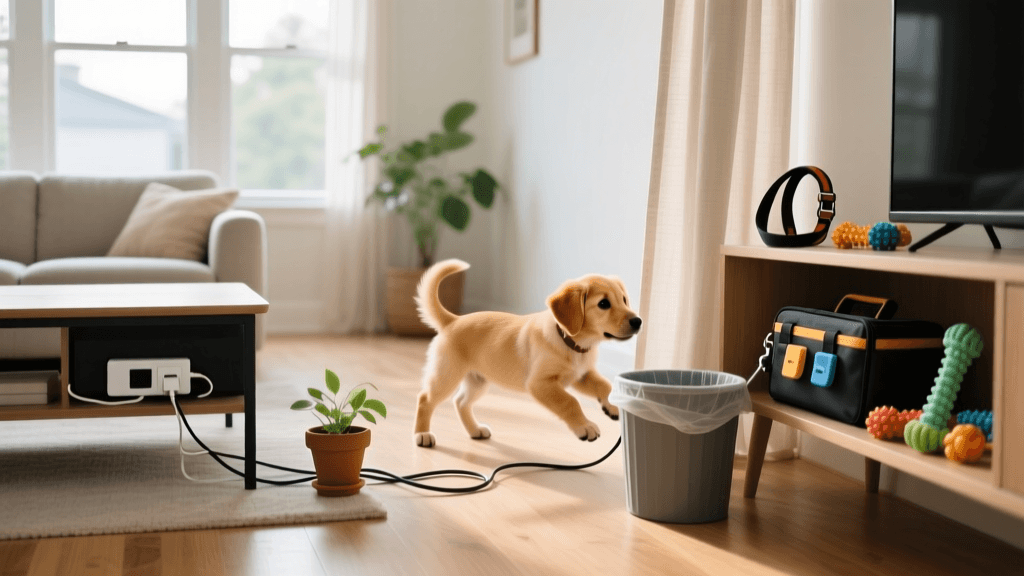
Bringing a new dog home is an exciting milestone, but the transition is rarely as seamless as social media suggests. A significant percentage of new owners experience what behaviorists call 'puppy panic' or 'first-week regret' within days of adoption. The root cause of this stress is rarely the dog itself; rather, it is a fundamental mismatch between the owner's prepared environment and the dog's biological imperatives. When a new puppy destroys a favorite pair of shoes, ingests a toxic houseplant, or escapes through a poorly secured gate, owners often blame the dog's 'bad behavior.' In reality, this is a failure of environmental diagnosis and preparation.
The Core Problem: Underestimating Canine Curiosity
Most generic pet care guides offer a superficial checklist for preparing your home: put away shoes, hide electrical cords, and secure the trash. While these are good starting points, they fail to address the three-dimensional reality of canine exploration. Puppies and newly adopted adult dogs do not just walk through a room; they investigate it with their mouths, paws, and noses. They can jump onto kitchen counters, squeeze through stair banisters, and chew through baseboards.
According to data from the ASPCA Animal Poison Control Center, tens of thousands of pets are exposed to household toxins annually, with a massive spike occurring during the first month of a new pet's arrival in the home. Human medications, cleaning supplies, and certain foods remain the top culprits. To solve this, new owners must shift their mindset from 'cleaning up' to 'canine spatial auditing.'
Diagnosing Room-by-Room Blind Spots
To properly puppy-proof your home, you must physically get down on your hands and knees. This 'puppy perspective' reveals hazards that are completely invisible from a standing human height.
The Kitchen: Toxins, Trash, and Toe-Stubbers
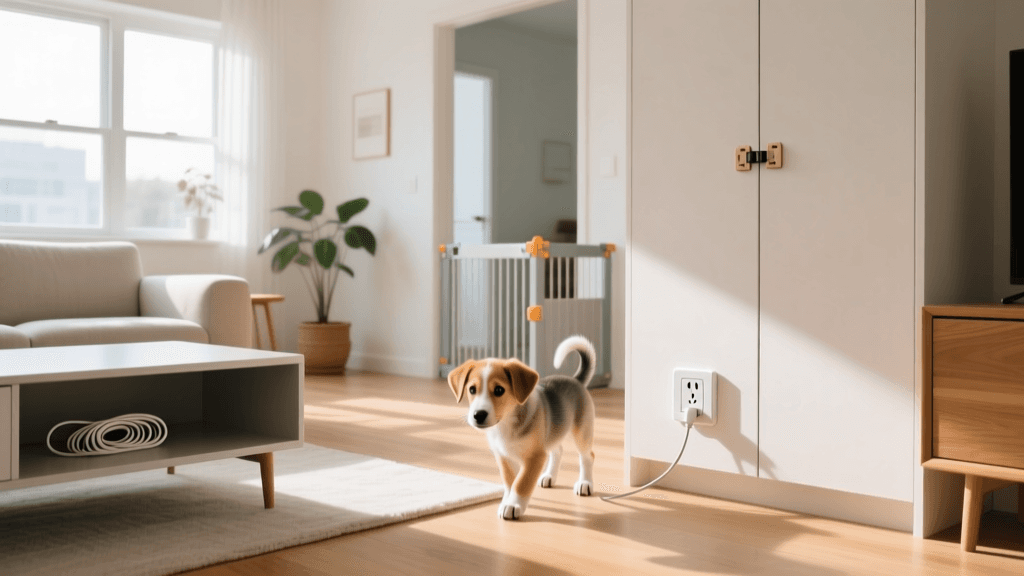
The kitchen is the highest-risk zone in any home. Lower cabinets often house bleach, dishwasher pods, and floor cleaners. A common blind spot is the assumption that a closed cabinet door is sufficient. Puppies, especially breeds with high prey drive or terrier lineage, can easily paw open standard magnetic or friction latches.
- The Solution: Install hardware-mounted or heavy-duty adhesive magnetic childproof locks. Budget approximately $20 to $30 for a 12-pack.
- The Trash Hazard: Open or swing-top trash cans are an invitation for dietary indiscretion, which can lead to fatal intestinal blockages or pancreatitis from fatty scraps. Upgrade to a step-on trash can with a locking lid mechanism, such as the simplehuman 13-Gallon Locking Lid Can (approximately $100).
- The Xylitol Threat: Sugar-free gums and peanut butters containing xylitol are highly toxic to dogs, causing rapid hypoglycemia and liver failure. All sugar-free products must be moved to upper cabinets at least 5 feet off the ground.
The Living Room: Electrical Hazards and Choking Risks
Living rooms are filled with low-hanging hazards. Electrical cords behind entertainment centers are a primary target for teething puppies seeking relief for their sore gums. Furthermore, small decorative items like potpourri, remote control batteries, and children's toys pose severe choking and chemical burn risks.
- The Solution: Do not rely on bitter sprays alone to protect cords. Use 1/2-inch diameter split-loom tubing or braided cable sleeves to encase wires. This physical barrier prevents teeth from reaching the copper wiring, mitigating the risk of electrocution and expensive home repairs.
- Furniture Anchoring: Flat-screen TVs and tall bookshelves must be anchored to the wall studs using anti-tip straps. A jumping 50-pound adolescent dog can easily topple an unsecured media console.
The Bathroom and Laundry: Chemical Burns and Drowning
Bathrooms present unique, often overlooked dangers. Toilet bowls can be a drowning hazard for toy breeds and small puppies, while the water itself may contain residual blue cleaning tablets that cause severe gastrointestinal ulcerations.
- The Solution: Install a simple plastic toilet lid lock ($5 to $10) and discontinue the use of drop-in tank cleaners. Store all laundry detergents, especially concentrated pods, in locked upper cabinets. The U.S. Food and Drug Administration (FDA) frequently warns pet owners about the severe risks of human medications and concentrated household chemicals left within reach of curious animals.
The Solutions: Essential Gear and Measurements
Investing in the right equipment before your dog arrives is crucial. Below is a structured comparison of essential puppy-proofing gear, including specific measurements and estimated costs to help you budget effectively.
| Product Category | Specific Recommendation | Estimated Cost | Crucial Measurement / Spec |
|---|---|---|---|
| Hardware-Mounted Gate | Regalo Easy Step Walk Thru | $45 - $65 | Minimum 30 inches tall; must be hardware-mounted for top of stairs |
| Cord Protector | JOTO Cable Management Sleeve | $15 - $25 | 1/2 inch diameter split-loom tubing or braided sleeve |
| Trash Containment | simplehuman Locking Lid Can | $80 - $130 | Minimum 13-gallon capacity; lockable lid mechanism |
| Cabinet Locks | Safety 1st Magnetic Locks | $20 - $30 | Adhesive mount capable of holding 50 lbs of pull force |
| Taste Deterrent | Grannick's Bitter Apple Spray | $10 - $15 | Reapply every 24 hours for the first two weeks |
Pro Tip: Pressure-mounted baby gates are entirely insufficient for the top of staircases or for containing determined medium-to-large breeds. Always use hardware-mounted gates that screw directly into wall studs or door frames.
Behavioral Diagnosis: Why Dogs Chew and How to Redirect
When a new dog chews a baseboard or a table leg, owners often diagnose the problem as 'spite' or 'bad manners.' From a veterinary behaviorist's perspective, chewing is a biological imperative. For puppies aged 12 to 16 weeks, chewing relieves the intense pain of adult teeth erupting through the gums. For adult rescue dogs, chewing is a primary coping mechanism for the stress and overstimulation of a new environment.
If your dog is destroying your furniture, the diagnosis is a lack of appropriate, texturally similar alternatives. You cannot simply tell a dog 'no'; you must provide a 'yes.'
- For Teething Puppies: Provide a classic red rubber KONG toy ($15) stuffed with canned pumpkin and frozen overnight. The cold rubber soothes inflamed gums, and the freezing process extends the chewing session to 30-45 minutes.
- For Power Chewers: Offer a Nylabone Power Chew ($12 to $18) in a flavor like bacon or peanut butter. Ensure the chew toy is sized appropriately—always err on the side of too large to prevent choking hazards.
- The Redirection Protocol: When you catch the dog chewing an inappropriate item, do not yell. Calmly interrupt the behavior, offer the approved chew toy, and praise them enthusiastically when they engage with it. This builds a positive association with their own belongings.
The 48-Hour Post-Adoption Safety Audit
Even with meticulous preparation, the first 48 hours in a new home require active management. Do not give a new dog free roam of the house immediately; this is a recipe for overwhelming anxiety and destructive mistakes.
Day 1: The Tethering Method
Keep your new dog on a 6-foot leash attached to your belt or a heavy piece of furniture in the same room as you. This 'umbilical cord' method prevents the dog from sneaking off to chew a rug or ingest a dropped pill. It also allows you to observe their natural inclinations. Do they gravitate toward the trash can? Do they try to dig at the carpet near the door? This real-time data allows you to adjust your environmental setup immediately.
Day 2: The Independent Confinement Test
Begin introducing your dog to their crate or designated 'safe room' (like a gated kitchen or laundry room) for short, 15-minute intervals while you are still home. Provide a long-lasting treat, such as a bully stick or a frozen chew, to create a positive association with the space. This diagnoses their ability to self-soothe and settle without direct human interaction, which is critical for preventing future separation anxiety.
Conclusion: Proactive Prevention Over Reactive Correction
The transition period of getting a new dog is a critical window for establishing trust and safety. By diagnosing environmental blind spots before adoption and implementing robust, physical barriers rather than relying on the dog's 'good behavior,' you set the stage for a harmonious relationship. Budgeting $150 to $300 for high-quality puppy-proofing gear is a minor investment compared to the thousands of dollars in emergency veterinary bills or home repairs. Remember, a well-managed environment creates a well-mannered dog. Take the time to audit your space, secure your hazards, and prepare for the beautiful, chaotic reality of welcoming a new canine companion into your life.
hannah-wickes
All our authors care for dogs every day — read more of their work on the authors page.