How to Stop Leash Pulling: Diagnosis and Proven Solutions
Discover why your dog pulls on the leash and learn proven, step-by-step training solutions to stop leash pulling and reactivity for good.
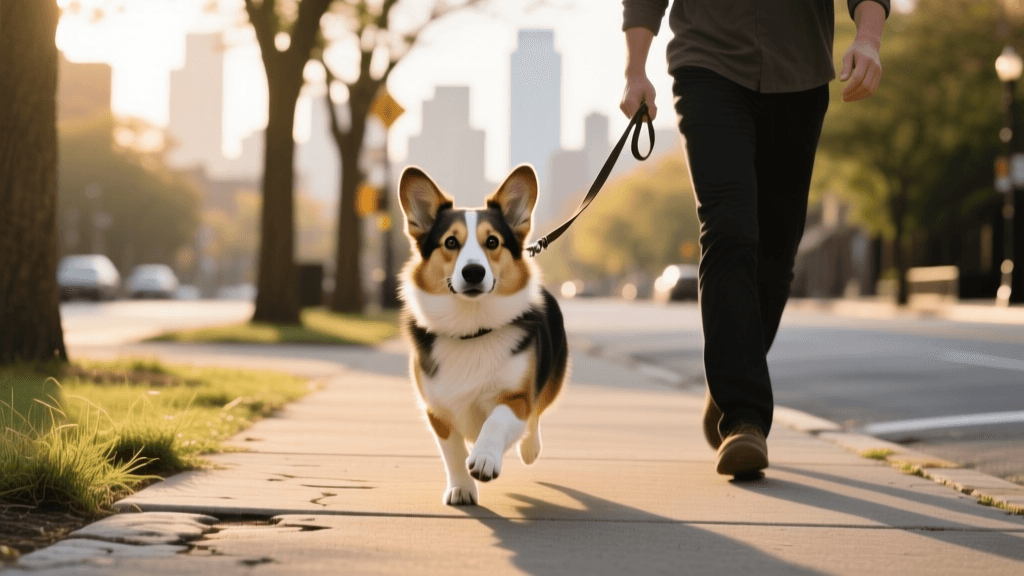
Every dog owner dreams of peaceful, enjoyable walks with their canine companion. However, the reality often looks more like a frustrating game of tug-of-war. Leash pulling is one of the most common behavioral issues reported by dog owners, and it is a leading cause of exercise deprivation, which can lead to secondary behavioral problems like destructive chewing and excessive barking. According to the American Society for the Prevention of Cruelty to Animals (ASPCA), regular, stress-free walks are fundamental to a dog's physical and mental well-being. When pulling makes walks aversive for the owner, the dog ultimately suffers from a lack of necessary enrichment.
To effectively stop leash pulling, we must move beyond quick fixes and adopt a 'Problem Diagnosis and Solutions' framework. By understanding the biomechanics and psychology behind why your dog pulls, you can implement targeted, force-free training protocols that yield long-term results. This comprehensive guide will walk you through diagnosing the root cause, selecting the proper gear, and executing step-by-step training techniques to achieve a loose leash.
Diagnosing the Root Cause of Leash Pulling
Before applying any training solution, it is critical to diagnose why the pulling is occurring. Dogs do not pull out of spite or a desire to dominate their owners; they pull due to biological instincts, environmental triggers, and learned reinforcement histories. Understanding the specific driver of your dog's pulling will dictate which training protocol will be most effective.
1. The Opposition Reflex
Dogs possess a natural physiological response known as the opposition reflex (or thigmotaxis). When pressure is applied to their chest or neck, their instinctual reaction is to push against that pressure. If you pull back on a taut leash, your dog's biology tells them to pull harder in the opposite direction. This is why physical corrections often escalate pulling behavior rather than cure it.
2. Speed Mismatch and Reinforcement History
A dog's natural trotting speed is significantly faster than a human's walking pace. When a dog walks ahead, hits the end of the leash, and continues to move forward (even slightly), they are being reinforced. The environment—sniffing a bush, greeting another dog, or reaching the park—is the reward. If pulling successfully gets the dog to the reward, the behavior is reinforced and will be repeated. As noted by the Humane Society of the United States (HSUS), consistency in not allowing the dog to reach their goal while the leash is tight is the first step in breaking this reinforcement cycle.
3. Fear, Anxiety, and Reactivity
Sometimes, pulling is actually an attempt to escape or create distance from a perceived threat. If your dog is pulling while barking, lunging, or showing a stiff body posture toward other dogs, people, or loud noises, you are dealing with leash reactivity, not just simple excitement pulling.
Essential Gear for Leash Training
Using the right equipment is crucial for managing the opposition reflex and keeping your dog safe. Aversive tools like prong collars, slip leads, and electronic shock collars can cause physical damage to the trachea and increase fear-based reactivity. Instead, modern behavioral science recommends the following force-free alternatives.
| Gear Type | Mechanism of Action | Pros | Cons | Estimated Cost |
|---|---|---|---|---|
| Front-Clip Harness (e.g., Freedom No-Pull) | Redirects the dog's momentum back toward the handler when they pull. | Highly effective for strong pullers; prevents choking. | Can cause chafing behind the armpits if not fitted properly. | $25 - $40 |
| Head Halter (e.g., Gentle Leader) | Controls the head, which naturally directs the body. | Excellent for giant breeds or extreme pullers. | Requires acclimation; dogs may paw at it initially. | $15 - $25 |
| Standard 6-Foot Leather/Biothane Leash | Provides consistent feedback without the springiness of retractable leashes. | Durable; prevents tangling; offers precise communication. | Can cause leash burn if the dog suddenly lunges. | $20 - $50 |
Pro Tip: Avoid retractable leashes entirely during training. They teach the dog that pulling extends the leash, directly reinforcing the exact behavior you are trying to eliminate. Stick to a standard 4-foot to 6-foot leash to maintain clear communication and proximity.
Step-by-Step Solutions to Stop Pulling
Once you have diagnosed the cause and equipped yourself with a front-clip harness and a standard leash, it is time to implement behavioral conditioning. Have a treat pouch filled with high-value, pea-sized rewards (such as Zuke's Mini Naturals, boiled chicken breast, or string cheese) and a clicker (like the Karen Pryor i-Click) ready.
Technique 1: The Engage-Disengage Game
This technique builds a default behavior of looking at you when the leash becomes taut. Begin in a low-distraction environment like your living room or backyard.
- Step 1: Take one step forward. If your dog moves with you on a loose leash, click and treat immediately.
- Step 2: If your dog surges ahead and the leash tightens, stop immediately. Do not yank the leash; simply become an anchor.
- Step 3: Wait for your dog to disengage from the environment and look back at you, or take a step back toward you to create slack.
- Step 4: The exact second the leash forms a 'J' shape (slack), click and deliver a treat right at the seam of your pant leg (the reward zone).
Technique 2: The 180-Degree Turn
If the 'Be a Tree' method (stopping completely) is not working because your dog is too highly aroused, use the 180-degree turn. When the leash goes tight, cheerfully say 'Let's go!', turn 180 degrees, and walk in the opposite direction. Do not jerk the leash; let the tension gently guide the dog to turn with you. When they catch up to your side, mark and reward. This teaches the dog that pulling results in moving further away from their goal, while walking at your side results in forward progress and treats.
Technique 3: The 'U-Turn' to the Reward Zone
To build strong heel positioning, randomly reward your dog at your left knee (or right, depending on your preference). If they pull ahead, perform a U-turn away from them. When they catch up and their shoulder aligns with your leg, deliver a high-value treat directly into their mouth while they are in position. Over time, the dog learns that the 'Reward Zone' is exclusively located right next to your leg.
Managing Leash Reactivity: Barking and Lunging
If your dog's pulling is accompanied by barking, growling, or lunging at triggers (other dogs, skateboards, strangers), standard loose-leash walking techniques will not work until the emotional response is addressed. According to Fear Free Pets, reactivity is rooted in fear, frustration, or anxiety, and requires counter-conditioning and desensitization.
You must identify your dog's 'threshold distance'—the distance at which they notice a trigger but remain under their stress threshold and can still eat treats. If your dog reacts at 20 feet, start training at 30 feet.
- Look at That (LAT): When your dog looks at the trigger from below threshold, click the exact moment they look, then feed a treat. This changes the emotional response from 'threat' to 'predictor of chicken'.
- Engage-Disengage: Once the dog is comfortable with LAT, wait for them to look at the trigger, and then voluntarily turn their head back to you before clicking and treating.
- Advocacy: Never force a reactive dog into a greeting. Cross the street or step behind a visual barrier (like a parked car) to relieve pressure.
Structuring Your Training Sessions
Leash training requires immense mental focus from your dog. A common mistake owners make is expecting a dog to perform perfectly on a 45-minute walk through a busy neighborhood before the behavior is fully conditioned.
Training is not about the distance covered; it is about the quality of the decisions your dog makes. Five minutes of focused, successful loose-leash walking is infinitely more valuable than forty-five minutes of practicing pulling.
Weekly Progression Plan:
- Week 1: 5-minute sessions indoors or in a fenced yard. Focus entirely on the reward zone and following the treat lure.
- Week 2: 10-minute sessions on your quiet residential street during low-traffic hours (early morning or late evening).
- Week 3: 15-minute sessions introducing mild distractions (e.g., a family member standing 20 feet away, distant traffic noise).
- Week 4: 20-minute 'Sniffaris'. Allow the dog to pull gently toward a bush on a long line (15-foot training lead) as a reward for previous loose-leash walking, clearly distinguishing between 'working mode' and 'sniff mode'.
When to Seek Professional Help
While excitement pulling can almost always be resolved with patience and the protocols outlined above, severe leash reactivity, aggression, or extreme fear responses require the guidance of a certified professional. If your dog is breaking skin, injuring themselves on the leash, or exhibiting signs of chronic stress (panting, whale eye, refusal to eat high-value treats outdoors), consult a Certified Applied Animal Behaviorist (CAAB) or a veterinary behaviorist immediately.
Conclusion
Stopping leash pulling is not an overnight fix; it is a process of rewiring your dog's reinforcement history and overriding their natural opposition reflex. By diagnosing the root cause, utilizing a front-clip harness, and consistently rewarding your dog for choosing to stay in the reward zone, you can transform your daily walks from a stressful chore into a bonding experience. Remember that every time the leash goes tight, it is an opportunity to practice, not a reason to get frustrated. Stay consistent, keep your treat pouch full, and celebrate the small victories along the way.
priya-sutaria
All our authors care for dogs every day — read more of their work on the authors page.