Top Trainable Dog Breeds: A Selection & Training Guide
Discover the best trainable dog breeds. Compare Border Collies, Labs, and GSDs to find the perfect match for your training lifestyle and experience level.
Selecting the Right Breed for Your Training Lifestyle
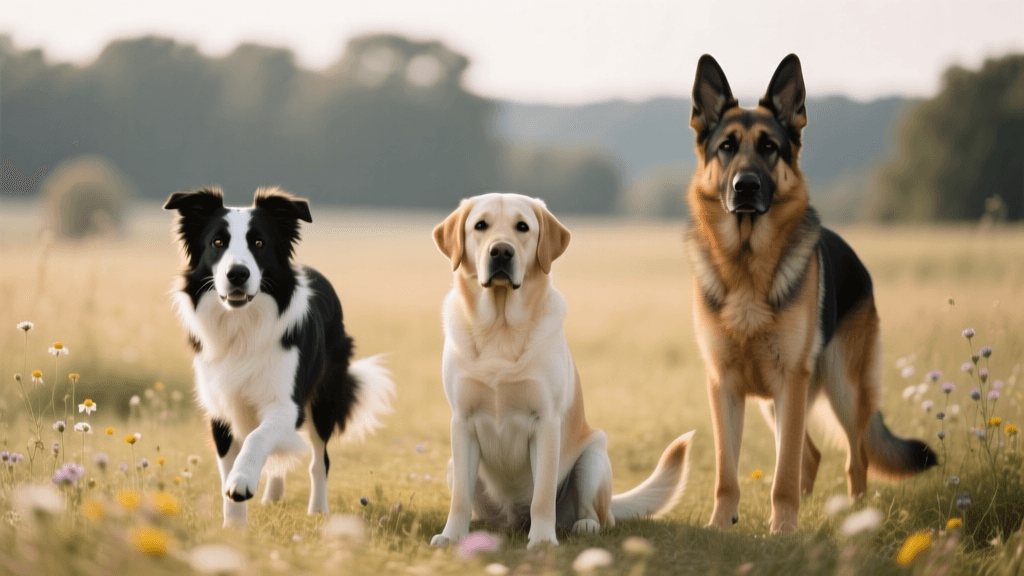
Selecting a dog breed based on trainability is one of the most critical decisions a prospective owner can make. While all dogs are capable of learning, their genetic predispositions, historical jobs, and inherent drives drastically alter the training experience. A recent comprehensive genomic study published in Science by Morrill et al. (2022) challenges popular breed stereotypes, revealing that while breed can influence certain behavioral traits like biddability and focus, individual variation and early environmental conditioning play massive roles. However, understanding the baseline training requirements of different breed groups remains essential for a harmonious human-canine relationship.
At Paws-Tales, we emphasize that trainability does not simply mean intelligence. A breed might be brilliant at problem-solving (like a Husky) but possess low biddability (the desire to please the handler). Conversely, a Golden Retriever might not figure out a complex puzzle toy as quickly as a Border Collie, but their eagerness to work with a human makes them highly trainable for obedience. Before bringing a puppy home, you must evaluate your daily schedule, budget, and training experience against the specific needs of your chosen breed.
Breed Comparison Chart: Training Needs & Traits
The following table provides a structured comparison of popular breed groups, highlighting their biddability, daily training requirements, ideal training outlets, and estimated first-year financial commitments for professional guidance and equipment.
| Breed Group | Example Breeds | Biddability | Daily Training Time | Best Training Focus | Est. First-Year Cost |
|---|---|---|---|---|---|
| Herding | Border Collie, Australian Shepherd | Very High | 60-120 mins | Agility, Advanced Obedience, Herding | $800 - $1,500 |
| Sporting | Labrador Retriever, Golden Retriever | High | 45-60 mins | Retrieving, Scent Work, Therapy Work | $500 - $900 |
| Working | German Shepherd, Rottweiler | Moderate-High | 45-90 mins | Protection, Tracking, Structured Obedience | $1,000 - $2,000+ |
| Terrier | Jack Russell, Airedale Terrier | Low-Moderate | 30-45 mins | Earthdog, Lure Coursing, Trick Training | $400 - $800 |
Herding Breeds: The Workaholics
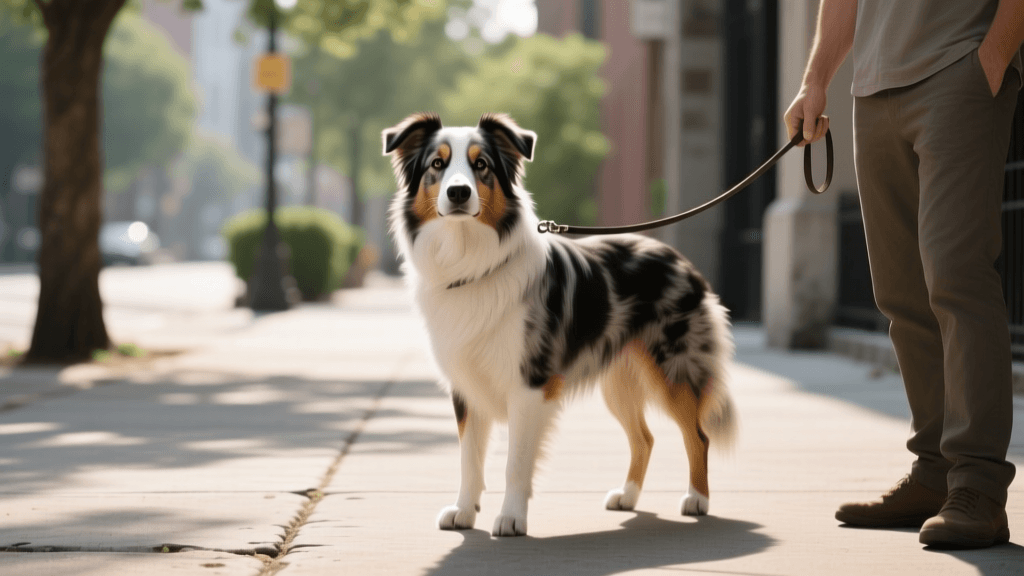
Herding breeds, such as the Border Collie and Australian Shepherd, are frequently labeled as the 'smartest' dogs. Bred to control the movement of livestock over vast distances using complex commands and whistles, these dogs possess intense focus, high energy, and an innate need for a 'job.' If you do not provide a structured job, they will invent one—often resulting in destructive behaviors like herding children, chasing cars, or obsessive shadow-chasing.
Actionable Training Advice for Herding Breeds
- Timing & Duration: Avoid marathon training sessions that lead to frustration. Instead, utilize 15-minute high-intensity operant conditioning sessions, three times a day.
- Essential Equipment: Invest in the Outward Hound Dog Brick Puzzle Toy ($29.99) for mental fatigue, and a Flirt Pole ($25.00) to safely satisfy their predatory chase instincts in a controlled environment.
- Classes & Costs: Basic obedience is rarely enough. Budget for Agility or Fast CAT (Coursing Ability Test) classes. Expect to pay $150 to $250 per six-week agility course at a local training facility.
Pro Tip: Teach a definitive 'off-switch' cue. Train your herding dog to go to a raised cot (like a Kuranda bed, $130) and settle on command, rewarding calm behavior with low-value treats to prevent over-arousal.
Sporting & Retrieving Breeds: The Eager Pleasers
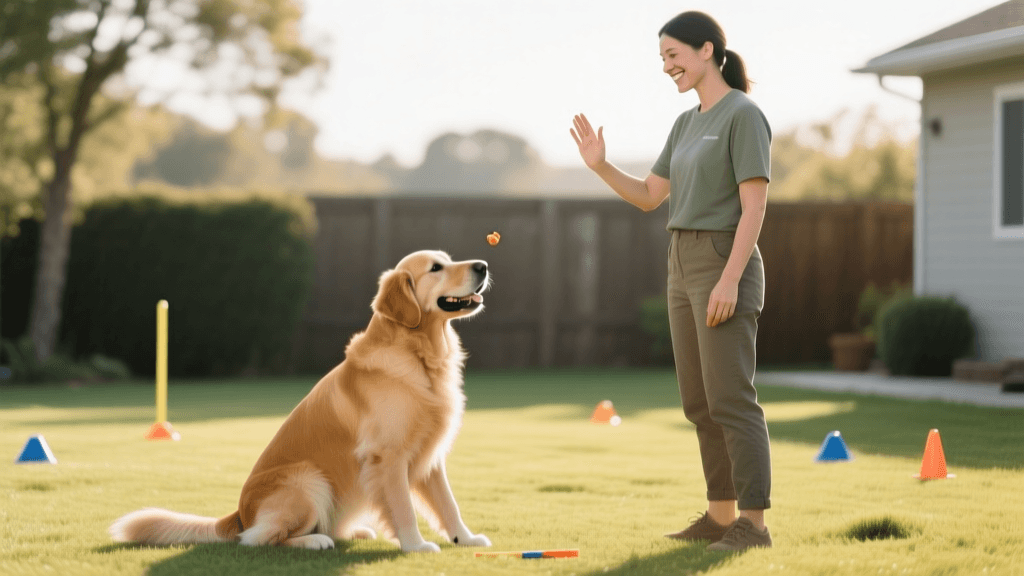
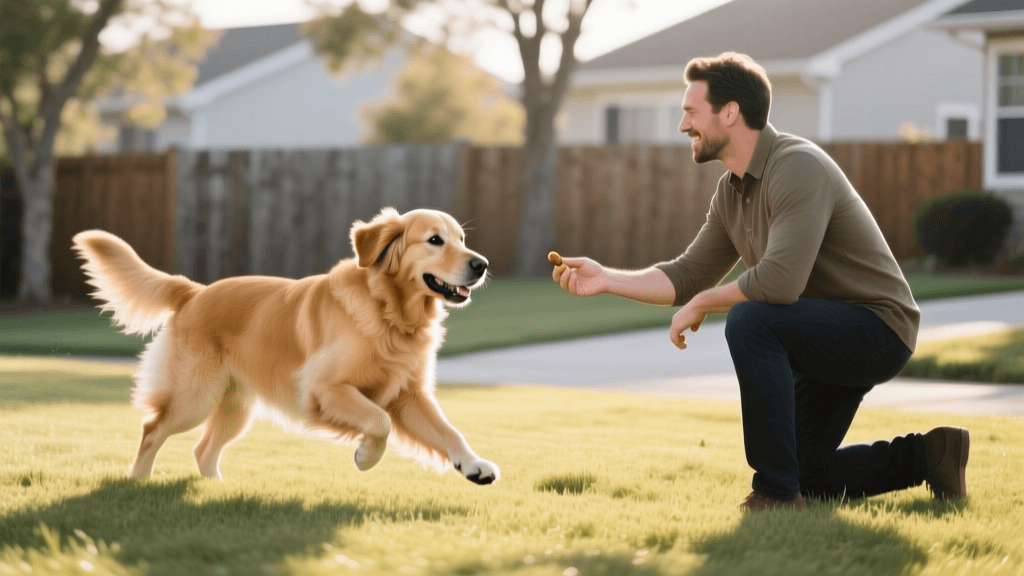
Labrador and Golden Retrievers dominate the family dog market for a reason: their biddability is off the charts. Bred to work closely with hunters and retrieve downed waterfowl, these dogs are highly attuned to human body language and are notoriously food-motivated. They are the ideal choice for first-time owners willing to commit to consistent, positive reinforcement training.
Actionable Training Advice for Sporting Breeds
- Timing & Duration: 30 to 45 minutes of combined physical and mental exercise daily. They excel in scent work and retrieving games.
- Essential Equipment: Because they are highly food-driven, a high-capacity treat pouch like the Ruffwear Treat Trader ($34.95) is essential. Use high-value, low-calorie treats like Zuke's Mini Naturals ($6.00/bag) to prevent obesity, a common issue in the breed.
- Classes & Costs: Focus on Canine Good Citizen (CGC) certification and Therapy Dog prep. Group classes typically cost $150 for a six-week session.
According to the American Kennel Club (AKC), early socialization is paramount for sporting breeds to ensure their natural friendliness does not turn into over-exuberant jumping. Enroll in puppy kindergarten between 8 and 12 weeks of age to build foundational impulse control.
Working & Guardian Breeds: The Independent Thinkers
Breeds like the German Shepherd, Belgian Malinois, and Rottweiler were developed for guarding, protection, and complex police work. They are highly intelligent but possess a strong independent streak. They evaluate commands based on utility and respect for the handler. Heavy-handed, aversive training methods will destroy their trust and trigger defensive aggression. They require firm, fair, and incredibly consistent leadership.
Actionable Training Advice for Working Breeds
- Timing & Duration: 60 minutes of structured obedience and socialization daily. Unstructured dog park visits are highly discouraged due to their potential for same-sex aggression or reactivity.
- Essential Equipment: A sturdy, front-clip harness like the PetSafe Easy Walk Harness ($25.00) is crucial for leash manners during their powerful adolescent phase (6-18 months). A long line (15-30 feet) is mandatory for safe recall practice in open areas.
- Classes & Costs: Working breeds often benefit from private behavioral consultations to address resource guarding or leash reactivity early. According to the Association of Professional Dog Trainers (APDT), hiring a certified professional (CPDT-KA) for private sessions generally costs between $120 and $200 per hour.
Budgeting Time and Money for Breed-Specific Training
When selecting a breed, you must audit your finances and your calendar. The initial purchase or adoption fee of a dog is merely the entry cost. The training budget is where the real investment lies. Below is a realistic first-year training budget breakdown for a high-drive working or herding breed:
- Puppy Socialization Classes (8-16 weeks): $150 - $200
- Basic Obedience & Manners (4-8 months): $200 - $300
- Intermediate/Sport Classes (Agility/Scent): $250 - $400
- Private Behavioral Consult (if needed): $150 - $300
- Training Gear (Clickers, Long Lines, Puzzles): $100 - $200
- Total Estimated First-Year Training Budget: $850 - $1,400
If your lifestyle only permits a 20-minute daily walk and a $200 annual training budget, a high-drive herding or working breed will become a liability. Instead, look toward lower-energy companion breeds or senior rescues whose foundational training is already established.
The Critical Socialization Window
Regardless of the breed you select, the biological window for primary socialization closes between 12 and 14 weeks of age. During this brief period, a puppy's brain is primed to accept novel stimuli (strange hats, loud noises, different surfaces, other animals) without fear. Missing this window means you will spend years doing behavioral modification (desensitization and counter-conditioning) rather than simple obedience training.
Before bringing a new dog home, map out your local resources. Identify a reputable, force-free trainer who utilizes LIMA (Least Intrusive, Minimally Aversive) methodologies. Have your Karen Pryor i-Click ($4.99) and treat pouch ready on day one. By matching your personal capacity for training with the genetic reality of your chosen breed, you set the stage for a lifetime of clear communication and mutual respect.
jonas-cole
All our authors care for dogs every day — read more of their work on the authors page.