Diabetic Alert Dog Body Language: Scent Alerts vs Stress in 2026
Understand diabetic alert dog body language in 2026. Differentiate between life-saving scent alerts and subtle stress signals to protect your service dog.
The Evolution of the Diabetic Alert Dog in 2026
In the landscape of modern medical assistance, the Diabetic Alert Dog (DAD) occupies a unique and vital space. As we navigate 2026, continuous glucose monitors (CGMs) like the latest iterations of the Dexcom and FreeStyle Libre systems have become incredibly advanced, offering real-time interstitial fluid readings directly to smartphones and smartwatches. Given this technological leap, a common question arises: why do we still rely on canine olfaction? The answer lies not just in the dog's ability to detect volatile organic compounds (VOCs) before a CGM registers a shift in blood sugar, but in the profound psychological grounding and Deep Pressure Therapy (DPT) these working dogs provide during a medical crisis.
However, the reliance on these extraordinary animals comes with a significant responsibility for the handler. Understanding your dog's body language is no longer just about basic obedience; it is a critical welfare requirement. Handlers must be able to instantly differentiate between a genuine, life-saving scent alert and the subtle, often overlooked micro-expressions of canine stress, fatigue, or burnout. Misinterpreting these signals can lead to missed medical events or, worse, the psychological deterioration of the working dog.
The Olfactory Marvel: Isoprene and the Scent Alert
To understand the body language of an alert, we must first understand the psychology and biology driving it. When a human experiences hypoglycemia (low blood sugar) or rapid hyperglycemia (high blood sugar), the body's metabolic processes shift, releasing specific VOCs through the breath and sweat. The primary biomarker for hypoglycemia is isoprene. According to extensive research conducted by the University of Pennsylvania's Working Dog Center, dogs possess up to 300 million olfactory receptors, allowing them to detect these minute chemical changes at concentrations as low as parts per trillion.
Psychologically, a well-trained DAD does not view this detection as a medical chore; they view it as a highly rewarding game. The scent of isoprene becomes a conditioned stimulus that predicts a high-value reward, usually a specific toy or a food treat. This drive-based training methodology ensures that the dog is eager to work, but it also means the dog's body language during an alert is characterized by intense focus, anticipation, and purposeful movement.
Decoding the True Alert: Micro-Expressions and Macro-Movements
A genuine scent alert is a sequence of behaviors, not just a single action. In 2026, most professional training programs utilize a "bringsel"—a leather or silicone tube attached to the dog's collar that the dog retrieves and holds in their mouth to signal an alert, especially useful when the handler is sleeping or visually impaired.
When a DAD catches the scent cone of isoprene, you will observe the following macro-movements:
- The Scent Cone Lock: The dog will suddenly freeze, and their head will snap toward the source (the handler). You will often see rapid, shallow sniffing as they pinpoint the exact origin of the scent.
- The Approach: The dog moves with purposeful, direct energy. There is no hesitation or wandering.
- The Physical Cue: If not using a bringsel, the dog will execute their trained tactile alert. This is usually a firm, deliberate paw to the handler's leg, a persistent nose nudge to the hand, or a specific bark pattern.
- The Check-In: After delivering the alert, the dog will maintain intense, direct eye contact, waiting for the handler to acknowledge the cue, check their blood sugar, and deliver the reward.
Alert vs. Anxiety: The Critical Body Language Differences
The most dangerous pitfall for a handler is confusing a stress response with a working alert. Because both states involve heightened arousal, an untrained eye might see a panting, pacing dog and assume an alert is happening, when in reality, the dog is experiencing environmental overload or cognitive fatigue. According to the welfare guidelines established by Assistance Dogs International (ADI), monitoring a service dog for signs of stress is a mandatory component of responsible handling.
Below is a critical comparison chart to help handlers differentiate between a working scent alert and a stress response in 2026.
| Behavioral Cue | True Scent Alert (Working) | Stress or Burnout (Welfare Risk) |
|---|---|---|
| Ear Position | Pricked forward, highly mobile, tracking the scent cone. | Pinned flat back or twitching nervously. |
| Tail Carriage | Level with spine or slightly elevated, steady wagging. | Tucked tightly between legs or stiff, high, and vibrating. |
| Eye Contact | Direct, focused, "checking in" after retrieving the bringsel. | Avoiding eye contact, "whale eye" (showing whites of eyes). |
| Mouth and Panting | Closed or slightly open, normal breathing rhythm. | Lip licking, yawning, or sudden, shallow, heavy panting. |
| Response to Handler | Persistent; will escalate nudging if initially ignored. | Withdrawal, hiding, or freezing when approached. |
If you observe the stress column behaviors, your dog is not alerting to your blood sugar. They are communicating that the environment is too loud, the working duration has been too long, or they are experiencing physical discomfort. Ignoring these signals and demanding a scent check can severely damage the dog's confidence and willingness to work.
The 2026 Welfare Standard: Biometric Tracking for Service Dogs
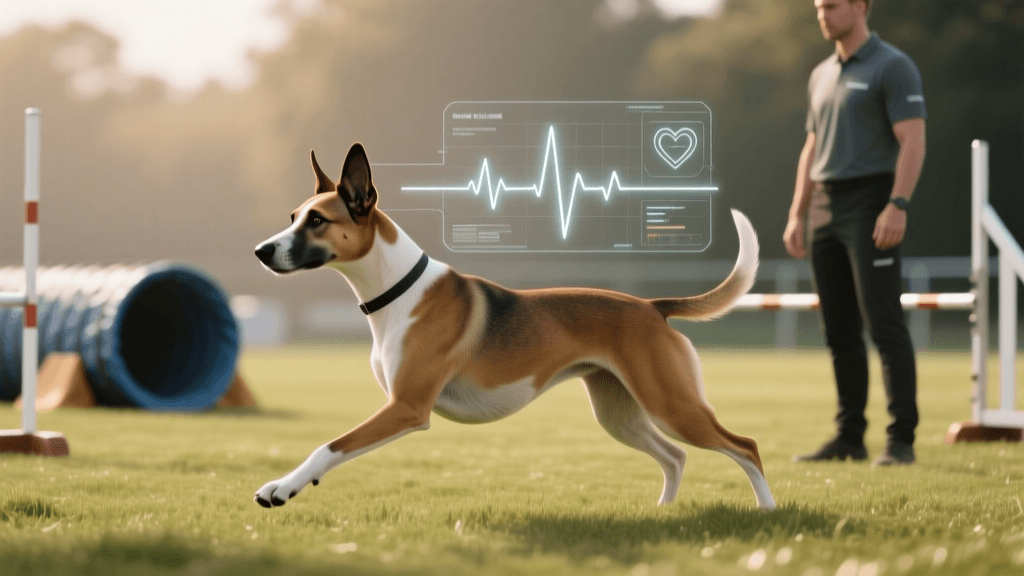
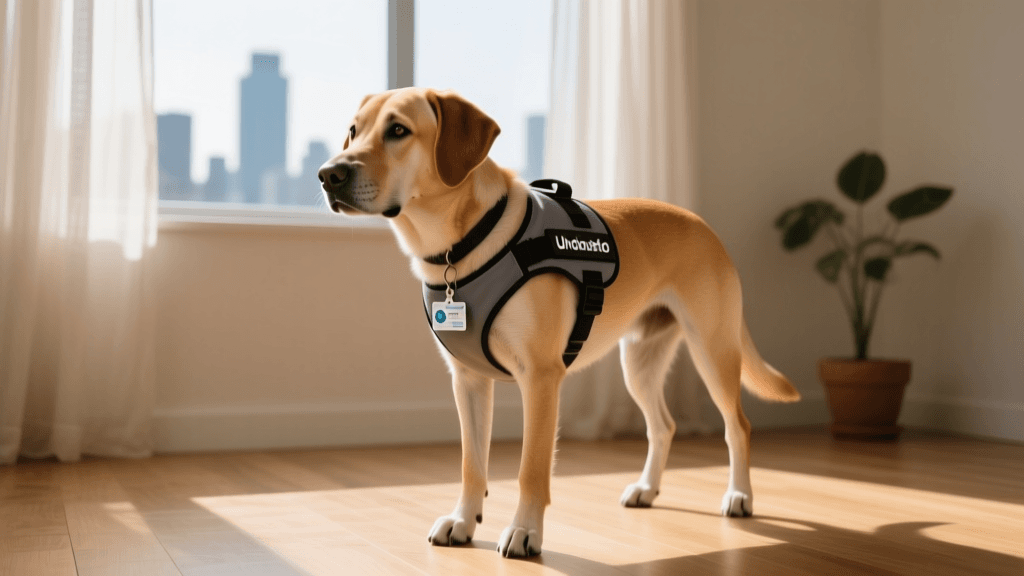
One of the most significant advancements in working dog psychology and welfare in 2026 is the integration of canine biometric wearables. Modern service dog vests now frequently feature integrated pockets for veterinary-approved Heart Rate Variability (HRV) monitors. HRV is a primary indicator of a dog's autonomic nervous system balance. A high HRV indicates a relaxed, resilient state, while a sudden, sustained drop in HRV indicates cognitive overload and sympathetic nervous system arousal (fight or flight).
By pairing these biometric trackers with a smartphone app, handlers can receive a "fatigue notification" before the dog even exhibits physical stress signals like lip licking or whale eye. This allows the handler to proactively remove the dog's service vest, initiate a break, and prevent burnout. Understanding your dog's internal state through technology bridges the gap between human observation and canine physiology, ensuring the dog's psychological well-being is prioritized alongside the handler's medical safety.
Decompression and the "Off-Duty" Psychology
Understanding your working dog also means understanding how they transition out of working mode. The psychological toll of remaining hyper-vigilant to a handler's scent requires immense cognitive energy. When a DAD is taken "off-duty," they must be allowed to fully decompress.
You will often observe a vigorous "shake-off" immediately after the vest is removed. This is not just a physical action to dry off; it is a well-documented psychological mechanism where the dog literally shakes off the accumulated adrenaline and cortisol of the working environment. As highlighted in behavioral resources from the American Kennel Club (AKC), allowing a working dog to engage in unstructured, natural behaviors is vital for their long-term mental health.
Handlers in 2026 are encouraged to utilize "sniffaris"—long, unstructured walks in nature where the dog is allowed to pull on a long line, sniff every tree, and make their own choices. This engages the parasympathetic nervous system, lowering the heart rate and allowing the dog's brain to process and recover from the intense focus required during their shift. A dog that is not allowed to decompress properly will eventually exhibit chronic stress signals, leading to a phenomenon known as "alert fatigue," where the dog simply stops responding to the isoprene scent altogether.
Conclusion
The Diabetic Alert Dog is a partner, a medical device, and a sentient being with complex emotional needs. As we move through 2026, the mark of an exceptional handler is not just how well their dog performs in public, but how astutely the handler can read the subtle shifts in their dog's body language. By mastering the distinction between the focused, purposeful movements of a scent alert and the quiet, desperate signals of canine stress, you ensure that your life-saving companion remains healthy, happy, and eager to work for years to come. Always remember: the dog takes care of your blood sugar, but you must take care of the dog.
jonas-cole
All our authors care for dogs every day — read more of their work on the authors page.