Dog Osteoarthritis: Behavior Signs & 2026 Treatments
Discover how canine osteoarthritis alters dog behavior in 2026. Learn to spot hidden pain signals and explore the latest Librela and Galliprant treatments.
The Hidden Link Between Joint Pain and Bad Behavior
When a previously docile Golden Retriever suddenly snaps when brushed, or a house-trained Border Collie begins urinating indoors, owners often assume behavioral regression, stubbornness, or age-related cognitive decline. However, veterinary behaviorists in 2026 increasingly point to a singular, underlying culprit: canine osteoarthritis (OA). Chronic pain fundamentally alters canine psychology. A dog living with persistent joint inflammation experiences a lowered threshold for stress and aggression. The psychological burden of anticipating pain makes dogs hyper-vigilant and easily overwhelmed.
According to the American Kennel Club, osteoarthritis affects up to 25% of all dogs, yet the behavioral manifestations are frequently misdiagnosed as bad behavior. Understanding that sudden aggression, house soiling, or extreme lethargy is often a cry for help is the first step in effective canine pain management and behavioral rehabilitation.
Decoding the Body Language of Osteoarthritis
Dogs are stoic creatures, hardwired by evolutionary instincts to mask weakness from predators and pack members. By the time a dog exhibits an obvious limp, the osteoarthritis is usually advanced. To truly understand your dog, you must learn to read the micro-expressions and subtle body language shifts associated with chronic joint pain.
- Weight Shifting and Postural Changes: A dog with hip or knee OA will often stand with their weight shifted forward, unloading their hindquarters. You may notice a swaying gait or a 'bunny hop' when running.
- Panting at Rest: While panting is normal after exercise, heavy panting while lying down or resting is a primary physiological indicator of chronic pain and stress.
- Changes in Sleep Architecture: Arthritic dogs struggle to get comfortable. Frequent repositioning, pacing at night, or an inability to settle into a deep sleep cycle leads to chronic fatigue, which directly causes daytime irritability.
- Reluctance to Perform Learned Behaviors: If your dog suddenly refuses to sit on command or hesitates to jump into the car, they are not being disobedient. The mechanical action of folding their joints causes sharp pain spikes.
- Micro-Expressions: Watch for pinned ears, excessive lip licking, yawning when not tired, and 'whale eye' (showing the whites of the eyes) when you approach their resting area. These are classic canine calming signals indicating discomfort and anxiety.
Breakthrough 2026 Osteoarthritis Treatments
The veterinary landscape for OA management has evolved dramatically. In 2026, the focus has shifted from merely masking pain to interrupting the pain signaling pathways and preserving joint cartilage, which in turn resolves the secondary behavioral issues caused by discomfort.
Monoclonal Antibodies (Librela)
Bedinvetmab, marketed as Librela, has revolutionized canine OA treatment. Unlike traditional NSAIDs, Librela is a monthly injectable monoclonal antibody that targets and neutralizes Nerve Growth Factor (NGF). NGF is a protein that becomes elevated in osteoarthritic joints, amplifying pain signals to the brain. By neutralizing NGF, Librela stops the pain signal at its source without taxing the liver or kidneys. Owners frequently report a profound psychological shift in their dogs within weeks of starting Librela; dogs that were withdrawn, anxious, or reactive return to their playful, confident baselines once the constant noise of pain is silenced.
Next-Generation NSAIDs (Galliprant)
For dogs that require daily oral medication, grapiprant (Galliprant) remains a cornerstone of 2026 OA protocols. Galliprant is an EP4 receptor antagonist. Instead of broadly suppressing COX enzymes—which can lead to gastrointestinal and renal side effects—Galliprant specifically blocks the EP4 prostaglandin receptor responsible for OA pain and inflammation. This targeted approach allows for long-term pain management, keeping the dog comfortable and behaviorally stable without the systemic risks associated with older NSAIDs.
Regenerative Therapies and DMOADs
Adequan (polysulfated glycosaminoglycan) continues to be a vital disease-modifying osteoarthritis drug (DMOAD). It inhibits the enzymes that degrade cartilage while stimulating the synthesis of new joint matrix components. Additionally, regenerative therapies such as Platelet-Rich Plasma (PRP) and mesenchymal stem cell therapy are increasingly accessible at specialized veterinary orthopedic centers, offering biological solutions to reduce joint inflammation and promote tissue healing.
2026 Treatment Comparison Chart
| Treatment Category | Active Ingredient / Method | Primary Mechanism | Behavioral Impact | Avg. 2026 Monthly Cost |
|---|---|---|---|---|
| Monoclonal Antibody | Bedinvetmab (Librela) | Neutralizes Nerve Growth Factor (NGF) | Reduces anxiety, restores playfulness, eliminates touch-aversion | $80 - $150 |
| Targeted NSAID | Grapiprant (Galliprant) | Blocks EP4 prostaglandin receptors | Improves mobility, reduces nighttime pacing and irritability | $60 - $120 |
| DMOAD | Polysulfated Glycosaminoglycan (Adequan) | Inhibits cartilage-degrading enzymes | Slows disease progression, maintains long-term joint confidence | $40 - $90 |
| Regenerative Therapy | Platelet-Rich Plasma (PRP) | Delivers concentrated growth factors to joints | Reduces acute flare-ups, restores willingness to exercise | $500 - $800 (per session) |
Psychological Enrichment for Mobility-Restricted Dogs
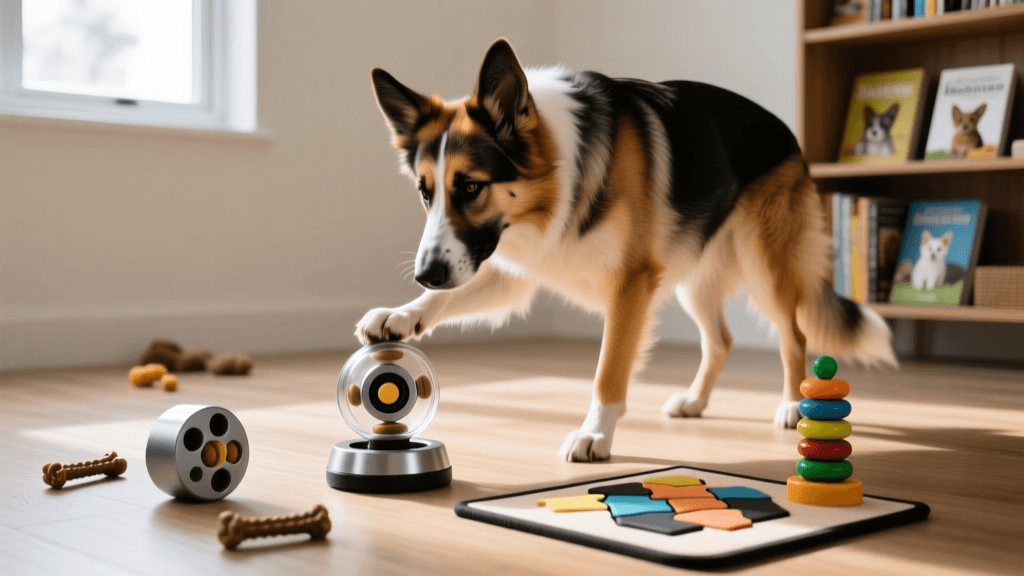
Treating the physical pain of OA is only half the battle. When a dog's physical mobility is restricted, their psychological need for enrichment remains entirely intact. A lack of mental stimulation in an arthritic dog can lead to destructive behaviors, excessive vocalization, and depression. In 2026, certified canine behavior consultants emphasize the importance of cognitive enrichment to replace physical exhaustion.
- Scent Work and Nose Games: A dog's olfactory system requires immense brain power. Hiding treats around the house or using snuffle mats allows your dog to 'hunt' and forage without putting mechanical stress on their joints.
- Lick Mats and Food Puzzles: Licking is a naturally soothing behavior for dogs that releases endorphins. Spreading dog-safe peanut butter or yogurt on a textured lick mat provides mental engagement and lowers cortisol levels.
- Seated Trick Training: You can teach your dog new cues like 'spin', 'paw', or 'speak' while they are in a comfortable seated or lying position. This reinforces the human-animal bond and provides vital mental fatigue.
Creating a Pain-Free Environment
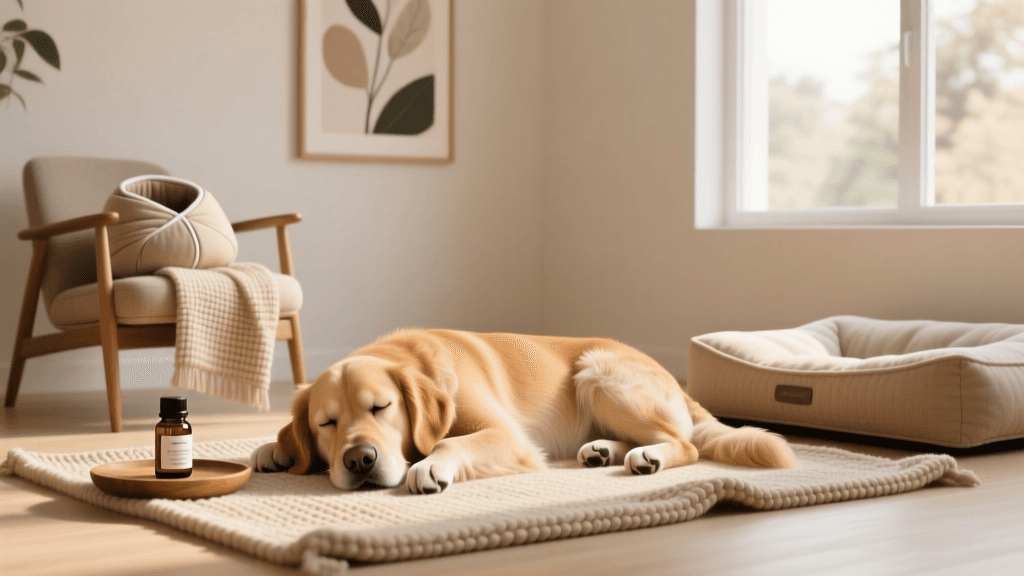
Environmental modifications are critical to preventing the anxiety associated with slipping or falling. Arthritic dogs often develop a psychological fear of smooth surfaces like hardwood or tile floors after experiencing a painful slip. Covering high-traffic areas with non-slip rugs or interlocking foam mats restores their confidence to navigate the home. Furthermore, providing orthopedic memory foam beds with bolstered edges gives dogs a sense of security and support for their aching joints. Ramps should be introduced for vehicle entry and furniture access, utilizing positive reinforcement training to ensure the dog views the ramp as a safe, rewarding tool rather than a scary obstacle.
Conclusion
Understanding your dog means looking beyond the surface of 'bad' behavior to uncover the root cause. Canine osteoarthritis is a complex disease that affects not just the joints, but the mind and emotional well-being of your pet. By recognizing the subtle body language of pain and leveraging the advanced, targeted treatments available in 2026 like Librela and Galliprant, you can dramatically improve your dog's quality of life. Always consult with your veterinarian or a veterinary behaviorist to develop a comprehensive, multimodal pain management plan tailored to your dog's unique needs.
tom-renshaw
All our authors care for dogs every day — read more of their work on the authors page.