2026 Diabetic Alert Dog Scent Imprinting Training Guide
Master the 2026 diabetic alert dog scent imprinting protocol. Learn step-by-step hypoglycemia detection training using real sweat samples and scent wheels.
The Evolution of Diabetic Alert Training in 2026
As we navigate the advanced landscape of service dog training in 2026, the precision and reliability required for Diabetic Alert Dogs (DADs) have reached unprecedented levels. Training a dog to detect the subtle biochemical shifts associated with hypoglycemia (low blood sugar) and hyperglycemia (high blood sugar) is one of the most complex tasks in the working dog community. Unlike mobility tasks or retrieval work, scent detection relies entirely on the dog's olfactory system and requires rigorous, scientifically backed imprinting protocols.
According to the latest guidelines from Assistance Dogs International (ADI), a leading authority on service dog standards, the success rate of diabetic alert dogs is heavily dependent on the initial scent imprinting phase. If a dog is not properly taught to isolate the specific volatile organic compounds (VOCs) associated with blood sugar fluctuations, they are prone to false alerting or missing critical medical events. This comprehensive guide outlines the definitive 2026 protocol for hypoglycemic scent imprinting, ensuring your working dog is prepared for life-saving medical detection.
Understanding the Hypoglycemic Scent Profile
Before beginning any training, handlers and trainers must understand the biological mechanics of the target scent. When a diabetic individual experiences a rapid drop in blood glucose levels, the body undergoes metabolic stress. This stress triggers the release of specific VOCs, most notably isoprene, through the breath and sweat. While humans cannot detect this chemical shift, a dog's 300 million olfactory receptors can isolate the scent at concentrations as low as parts per trillion.
In 2026, modern training methodologies have moved away from relying solely on saliva or breath samples, which degrade quickly. Instead, top-tier organizations like Dogs4Diabetics (D4D) emphasize the use of cryogenically preserved sweat samples collected during verified hypoglycemic events. This ensures the scent profile remains stable and potent throughout the months-long imprinting process.
Essential Equipment for 2026 Scent Imprinting
To execute this protocol effectively, you must gather specialized, contamination-free equipment. Scent contamination is the number one reason service dogs fail public access and medical detection certifications. Ensure you have the following items:
- Sterile Glass Scent Vials: Avoid plastic, as it absorbs and leaches odors. Use airtight glass vials with Teflon-lined caps.
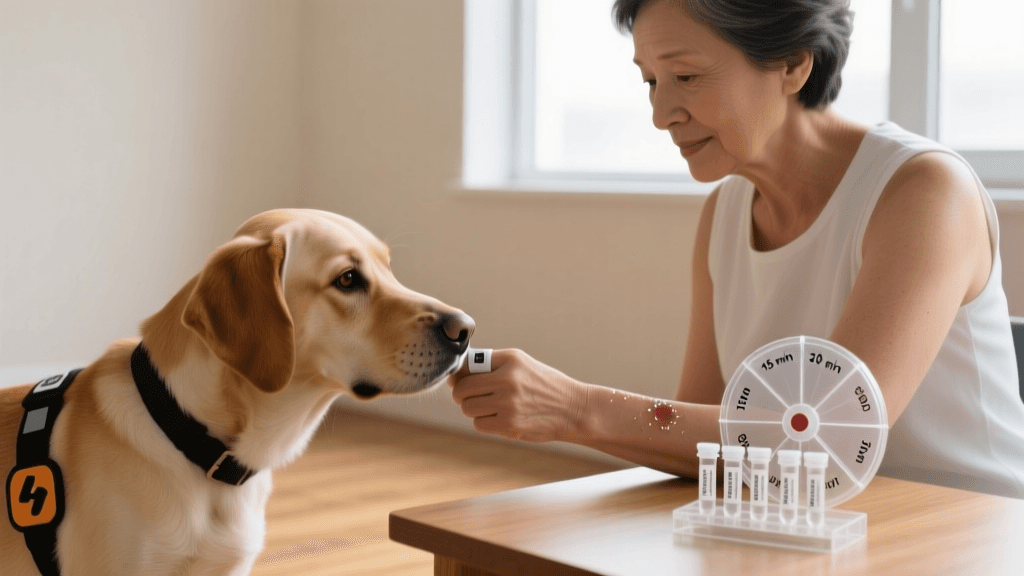
- Stainless Steel Scent Wheel: A multi-port training wheel that allows you to present the target scent alongside blank distractors.
- Sterile Cotton Collection Pads: For gathering sweat from the handler's skin during a low blood sugar episode.
- High-Value Reward System: Freeze-dried beef liver or specialized 2026 nutrient-dense training pastes that the dog only receives during scent work.
- Medical-Grade Nitrile Gloves: To handle all sample vials and prevent transferring your own skin oils to the training equipment.
The 2026 ADI-Compliant Scent Imprinting Protocol
The following step-by-step protocol is designed to build a robust, unwavering alert behavior. This process typically takes 12 to 16 weeks of daily, short-duration sessions.
Phase 1: Sample Collection and Preservation
The foundation of a reliable DAD is a pure sample. When the handler's continuous glucose monitor (CGM) indicates a blood sugar level dropping below 70 mg/dL, the handler must immediately wipe the back of their neck or underarms with a sterile cotton pad. Place the pad into a glass vial, seal it tightly, and label it with the date and exact blood glucose reading. Store these samples in a dedicated freezer used exclusively for medical scent preservation to prevent cross-contamination with food odors.
Phase 2: Classical Conditioning to the Scent
The goal of Phase 2 is to create a deep emotional response to the hypoglycemic scent. The dog must learn that the smell of isoprene predicts an extraordinary reward.
- Put on nitrile gloves and remove a sample vial from the freezer, allowing it to reach room temperature.
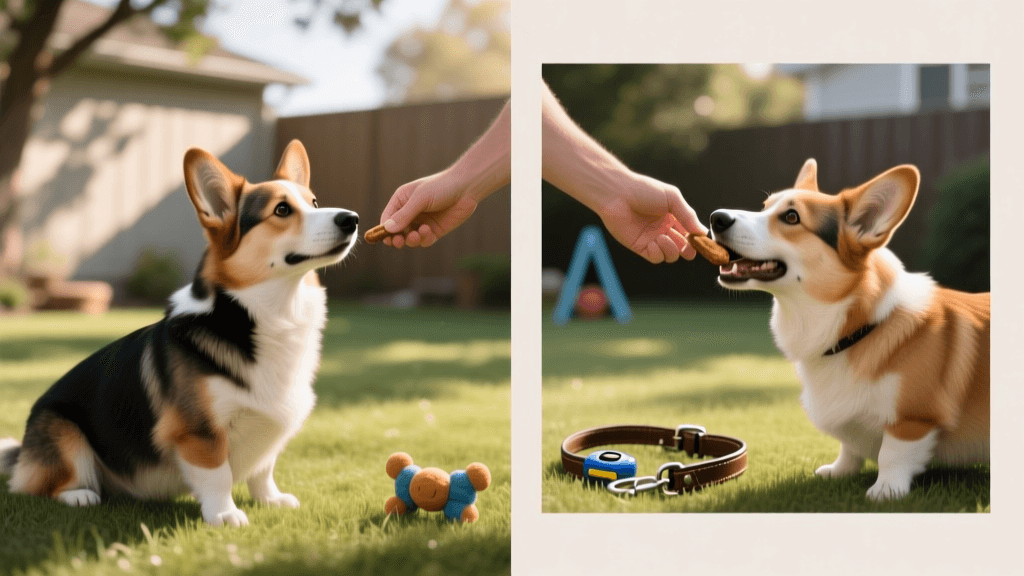
- Present the closed vial to the dog. The moment the dog sniffs the vial, mark the behavior with a clicker or a verbal 'Yes!'.
- Immediately deliver a high-value reward. Do not ask for a sit or a down; simply pair the scent with the reward.
- Repeat this process 10 to 15 times per session, conducting three short sessions per day. After a week, the dog should show visible excitement (tail wagging, lip licking, leaning in) the moment the vial is produced.
Phase 3: Shaping the Active Alert Behavior
Passive sniffing is insufficient for a working service dog; the dog must perform an active, unmistakable alert to notify a handler who may be sleeping or cognitively impaired by low blood sugar. In 2026, the most common active alerts are the paw tap on the handler's leg or the retrieval of a specialized alert toy (bringel).
To shape the paw tap, present the open vial near your leg. When the dog sniffs it, wait for any upward movement of the paw. Mark and reward. Gradually raise your criteria until the dog is deliberately tapping your leg to access the scent. Once the behavior is fluent, introduce the verbal cue 'Alert' just before the dog performs the action.
Phase 4: Scent Discrimination and Distraction Proofing
A critical requirement noted by the American Veterinary Medical Association (AVMA) regarding service animals is their ability to work safely and accurately in public. A DAD must not alert to other medical scents, food, or environmental odors. This is where the stainless steel scent wheel becomes vital.
Place the hypoglycemic sample in one port of the wheel. Fill the other ports with 'blank' sterile cotton pads, as well as distractor scents such as eugenol (clove), birch, anise, and even samples of the handler's sweat taken when their blood sugar was in a normal, healthy range. Spin the wheel and allow the dog to sniff. Only reward the dog when they indicate the port containing the true hypoglycemic sample. If the dog alerts to a blank or a distractor, calmly reset the wheel without offering a reward.
2026 Training Milestones and Schedule Table
Consistency is paramount. Use the following table to track your dog's progression through the imprinting phases. Adjust timelines based on your dog's individual learning curve, but do not rush the discrimination phase.
| Week | Phase | Primary Objective | Success Criteria for Advancement |
|---|---|---|---|
| 1-2 | Scent Association | Pair hypo scent with high-value reward | Dog shows visible anticipation and excitement when vial is presented. |
| 3-5 | Shaping the Alert | Transition sniffing to active paw tap or bringel retrieval | Dog performs active alert on cue 9 out of 10 times in a sterile room. |
| 6-8 | Scent Discrimination | Use scent wheel to introduce blanks and healthy sweat samples | Dog ignores healthy sweat and blanks, alerting only to hypo samples. |
| 9-11 | Environmental Proofing | Introduce alert behavior in varied rooms and outdoor settings | Dog maintains alert behavior despite auditory and visual distractions. |
| 12-16 | Public Access Integration | Combine medical alert training with standard public access manners | Dog alerts accurately in public spaces while maintaining heel and ignore protocols. |
Troubleshooting Common Scent Training Issues
Even with the most meticulous 2026 protocols, trainers may encounter hurdles. Here is how to address the most common issues in diabetic alert training:
- Alert Fatigue: If you leave a sample out for too long, the VOCs will dissipate, and the dog may stop alerting because the scent is 'dead.' Always use fresh samples for training and store them properly between sets.
- False Alerts to Healthy Sweat: This occurs if the handler accidentally contaminates a 'hypo' sample with normal sweat, or if the dog is rewarded for alerting to the handler's general body odor rather than the specific isoprene spike. Return to Phase 4 and heavily reward the dog for ignoring healthy sweat samples.
- Sample Contamination: Never handle the inside of the vials or the cotton pads with bare hands. Human skin oils contain thousands of distinct chemical markers that will confuse the dog's olfactory processing.
Conclusion
Training a Diabetic Alert Dog is a profound responsibility that bridges the gap between veterinary science, human medicine, and canine cognition. By adhering to the strict 2026 imprinting protocols, utilizing cryogenic sample preservation, and rigorously proofing against environmental distractions, you can develop a reliable, life-saving working dog. Always remember that scent training is an ongoing process; even fully certified service dogs require weekly maintenance sessions to keep their olfactory skills sharp and their alert behaviors crisp. With patience, precision, and the right methodology, your canine partner will become an invaluable guardian of your health and independence.
tom-renshaw
All our authors care for dogs every day — read more of their work on the authors page.