Decoding Shelter Dog Behavior: A Guide to Adoption Meet-and-Greets
Learn to read canine body language and stress signals during shelter meet-and-greets to choose the right rescue dog for your home.

The Neurobiology of Shelter Stress
Walking into an animal shelter is an overwhelming sensory experience, not just for you, but for the dogs residing there. As a canine behavior analyst, I frequently remind prospective adopters that the dog you see barking frantically at the front of their kennel or cowering in the back corner is rarely showing you their true personality. The shelter environment is a crucible of chronic stress. According to the ASPCA, the constant noise, lack of routine, and confinement cause a massive spike in a dog's cortisol levels. This chronic stress can manifest as 'kennel craziness'—a state of hyper-arousal where a dog jumps, mouths, and barks incessantly—or as 'shutting down,' where a dog becomes completely unresponsive and lethargic.
Understanding the neurobiology of shelter stress is the first step in making an informed adoption decision. When a dog's sympathetic nervous system is stuck in a 'fight or flight' state, their capacity for learning, socialization, and emotional regulation is severely compromised. Therefore, evaluating a shelter dog requires looking past the immediate environmental triggers and assessing their underlying behavioral cues, stress signals, and capacity for decompression.
The Expert Meet-and-Greet Protocol
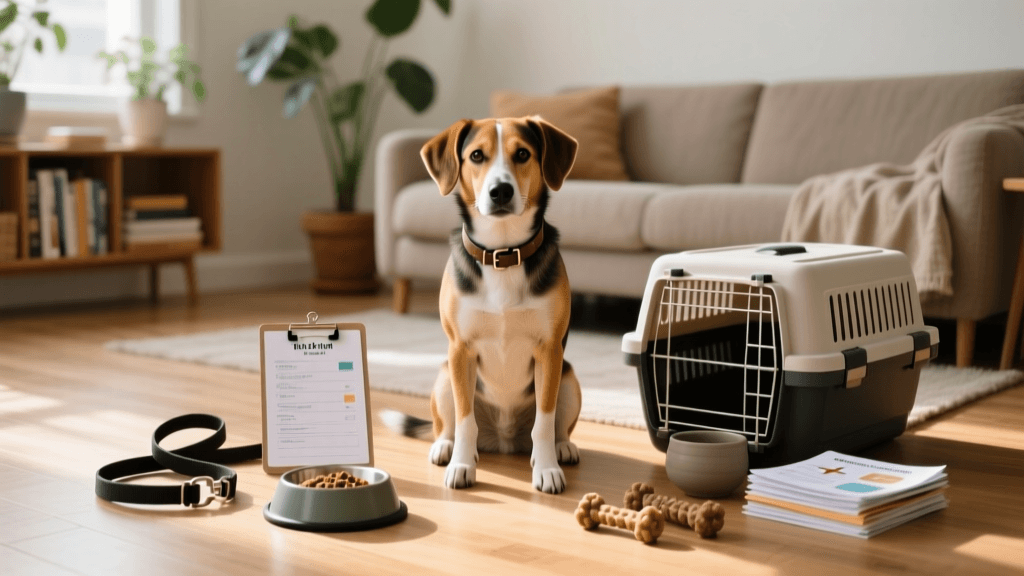
Most adopters rely on a brief, five-minute interaction in a noisy play yard to determine if a dog is a 'good fit.' From a behavioral standpoint, this is highly inaccurate. To truly assess a dog's temperament, you need a structured meet-and-greet protocol. Before your visit, pack a behavioral assessment kit:
- A 6-foot Mendota Leather Slip Lead: Avoid retractable leashes. A standard 6-foot lead provides secure communication and prevents the dog from practicing pulling behavior.
- High-Value Treats: Bring Zuke's Mini Naturals (Roasted Recipe) or boiled chicken breast. These are low-calorie but high-value, allowing you to test the dog's food motivation and focus without overfeeding.
- A Kong Classic Red Toy: Stuff it with a small amount of peanut butter to assess resource guarding and problem-solving skills.
- A Long-Line (15 to 30 feet): Essential for testing recall and prey drive in an open, secure area.
Phase 1: The 'Ignore' Test (Arousal Baseline)
When you first enter the meet-and-greet space, do not immediately engage the dog. Stand still, cross your arms, and look away for exactly 120 seconds. This 'ignore test' establishes a baseline of the dog's arousal levels. A highly overstimulated dog will jump, mouth your clothing, and bark for attention. A dog with healthy impulse control will eventually sniff the ground, sit, or gently approach you for a polite greeting. If the dog cannot settle within two minutes, it indicates a high-stress baseline that will require significant decompression and impulse-control training at home.
Phase 2: The Touch Consent Test
Many well-meaning adopters immediately reach over a dog's head to pet them. In canine body language, a looming hand over the skull can be perceived as a threat. Instead, turn your body slightly sideways (a calming signal) and offer the back of your hand at the dog's chest level. If the dog leans in, initiate the '3-Second Rule': pet the dog's chest or shoulder for three seconds, then stop and withdraw your hand. Watch the dog's reaction. If they nudge your hand, lean in, or offer a soft 'play bow,' they are consenting to further interaction. If they freeze, look away, or step back, they are communicating a boundary that must be respected.
Phase 3: Resource and Handling Assessment
Once the dog is relaxed, introduce the peanut butter-stuffed Kong. Observe their body language while they eat. Are their muscles tense? Do they eat frantically while scanning the room? If you toss a second, lower-value treat near them while they hold the Kong, do they freeze or snap? While shelter dogs often exhibit resource guarding due to scarcity, identifying these triggers early allows you to implement management strategies (like feeding in a separate, closed room) from day one.
Decoding Canine Body Language Matrix
To accurately read a dog during your assessment, you must look at the whole picture. The American Kennel Club emphasizes that a wagging tail does not always mean a happy dog; context and full-body tension are key. Use the following matrix to decode the signals you observe during the meet-and-greet:
| Signal Category | Physical Indicators | Behavioral Meaning |
|---|---|---|
| Appeasement & Stress | Lip licking, yawning, whale eye (showing whites of eyes), lowered body, scratching out of context | The dog is uncomfortable, feeling social pressure, and attempting to de-escalate a perceived threat. |
| Over-Arousal | Mouthing, jumping, frantic panting, high stiff tail carriage, piloerection (raised hackles) | The dog is overstimulated; impulse control is currently compromised and they are over threshold. |
| Relaxed Engagement | Soft almond-shaped eyes, relaxed ears, loose wiggly body, open relaxed mouth, play bows | The dog is under threshold, emotionally regulated, and receptive to social interaction and learning. |
The 3-3-3 Rule and Decompression Strategy
If you decide to adopt, you must understand that the first few weeks are not about rigorous training or socialization; they are about neurological decompression. The Best Friends Animal Society highly advocates for a structured decompression period, often summarized by the 3-3-3 rule:
- 3 Days to Decompress: The dog may refuse to eat, hide, or sleep excessively. Their cortisol levels are still dropping.
- 3 Weeks to Learn the Routine: The dog begins to understand your household schedule, test boundaries, and show more of their true personality (which may include emerging behavioral quirks).
- 3 Months to Feel at Home: The dog establishes a secure attachment and true baseline temperament.
Setting Up the Decompression Zone
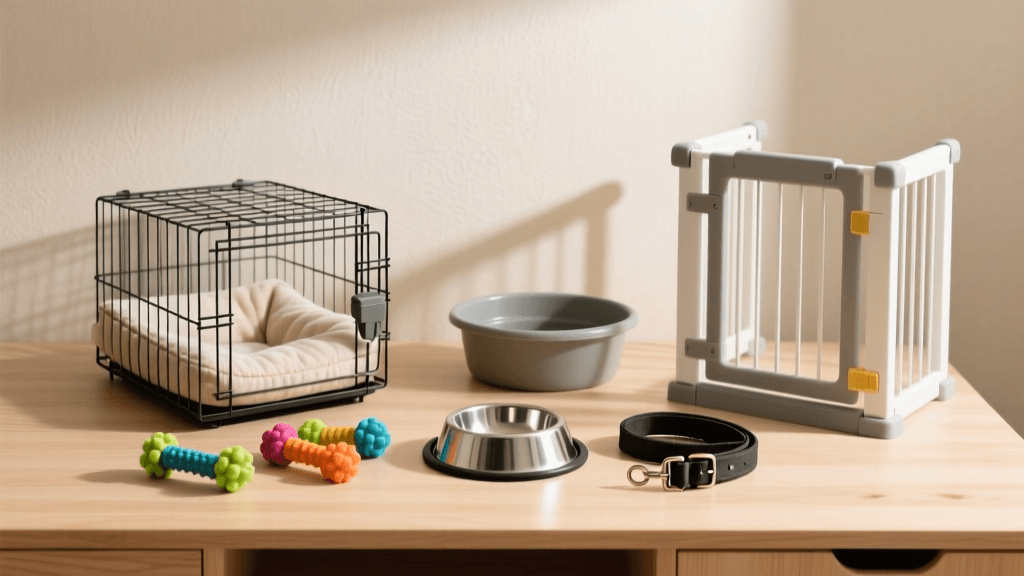
Before bringing your new dog home, set up a dedicated 'safe zone' away from the high-traffic areas of your house. This prevents the dog from becoming overwhelmed and making poor behavioral choices. I recommend the following setup, which typically costs between $150 and $250:
- MidWest 36-inch Foldable Exercise Pen: Use this to create a 4x8 foot enclosed area in a quiet room. This provides more space than a crate but prevents the dog from wandering and practicing unwanted behaviors.
- Adaptil Calm Home Diffuser: Plug this synthetic pheromone diffuser into the safe room 24 hours before the dog arrives. It mimics the calming pheromones of a nursing mother dog.
- Snuffle Mat and Lickimat: Foraging and licking are naturally soothing behaviors that lower a dog's heart rate. Use these for meal times instead of a standard stainless steel bowl.
- White Noise Machine: Place this near the door of the safe room to muffle household sounds, doorbells, and street noise that could trigger alert barking.
Conclusion: Patience and Professional Support
Adopting a shelter dog is a profound commitment that goes far beyond the initial meet-and-greet. By applying expert behavioral analysis—reading subtle body language, respecting consent, and prioritizing neurological decompression—you set the foundation for a lifelong, trusting bond. If you observe severe fear, aggression, or anxiety that does not improve after the initial 3-week decompression period, do not hesitate to consult a Certified Professional Dog Trainer (CPDT-KA) or a Veterinary Behaviorist. With the right environmental management and patient guidance, the stressed dog you met at the shelter can blossom into the perfect companion for your home.
hannah-wickes
All our authors care for dogs every day — read more of their work on the authors page.