First-Year Dog Costs: A Realistic Budget for New Owners
Discover the true first-year dog costs with our realistic budget guide for new owners. Learn about adoption fees, vet bills, food, and essential supplies.
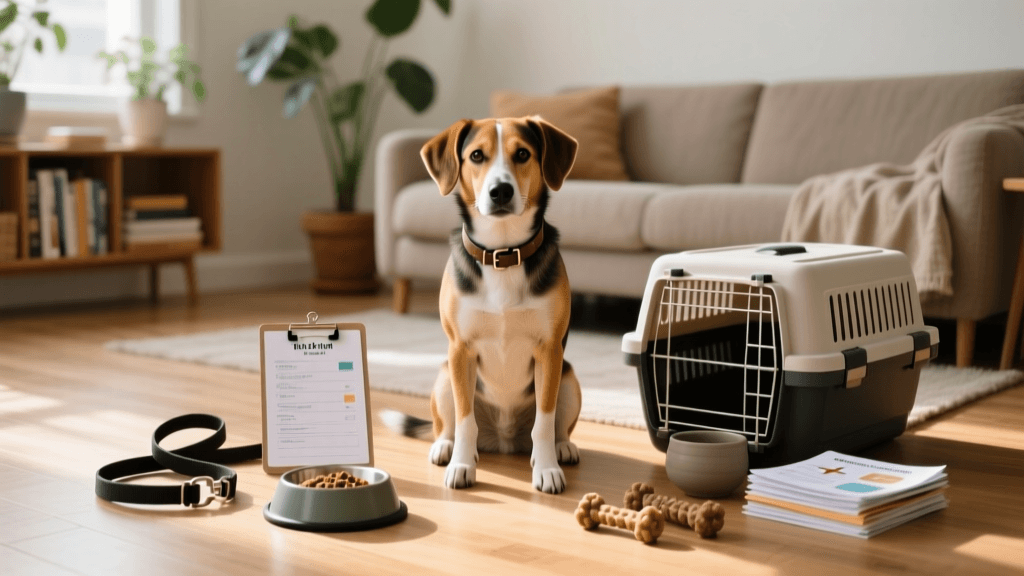
The Financial Reality of Bringing a Dog Home
Bringing a new dog into your life is one of the most rewarding experiences you can have, but it is also a significant financial commitment. For first-time dog owners, the excitement of picking out toys and beds can sometimes overshadow the long-term monetary responsibilities of pet parenthood. Understanding the true cost of dog ownership before you bring your new companion home is crucial for ensuring you can provide them with a healthy, happy, and stable life.
Many new owners are caught off guard by how quickly expenses add up during the first twelve months. From initial veterinary visits and essential gear to high-quality nutrition and preventative medications, the first year is typically the most expensive year of a dog's life. According to the ASPCA, the average annual cost of caring for a dog ranges from $1,500 to over $2,000, but the first-year costs can easily double that amount due to upfront purchases and initial medical procedures. This comprehensive guide will break down exactly what you can expect to spend, helping you build a realistic budget as a first-time dog owner.
Upfront Costs: Acquisition and Initial Veterinary Care
The very first expense you will encounter is the cost of acquiring your dog. This varies wildly depending on whether you choose to adopt from a shelter or purchase from a reputable breeder.
Adoption vs. Breeder Fees
Adopting a dog from a rescue organization or local humane society typically costs between $50 and $350. This fee is generally a bargain because it often includes initial veterinary care such as spaying or neutering, a microchip, and the first round of core vaccinations. On the other hand, purchasing a puppy from a reputable, health-tested breeder can cost anywhere from $1,000 to $3,500 or more, depending on the breed and lineage. While the upfront cost is higher, breeders often provide early socialization and detailed health histories.
Initial Veterinary Visits
Even if your adopted dog comes with some medical care, a first-time wellness exam is mandatory. Expect to pay $100 to $200 for a comprehensive physical exam, fecal testing for parasites, and any necessary booster shots. If you adopt an intact dog or buy a puppy that hasn't been altered, spaying or neutering is a necessary first-year expense, typically ranging from $200 to $800 depending on the dog's size, age, and your geographic location.
Essential Gear and Supplies for First-Time Owners
Equipping your home for a new dog requires several upfront purchases. While it is tempting to buy the cheapest options available, investing in durable, high-quality gear will save you money in the long run.
Crates and Containment
Crate training is highly recommended for housebreaking and providing your dog with a safe den. A wire crate like the MidWest Homes for Pets iCrate is an industry standard. For a medium-to-large dog, a 36-inch or 42-inch crate with a divider panel will cost between $60 and $90. Pair this with a machine-washable crate mat or an orthopedic bed like the Furhaven Orthopedic Dog Bed ($40 to $60) for joint support.
Collars, Leashes, and Harnesses
Safety on walks is paramount. Skip retractable leashes for first-time owners; instead, opt for a standard 6-foot nylon or leather leash ($15 to $25). For dogs that pull, a front-clip harness like the Rabbitgoo No-Pull Dog Harness ($20 to $30) offers excellent control without putting pressure on the trachea. Don't forget a sturdy collar with a customized ID tag ($15 to $25).
Feeding and Enrichment Supplies
Stainless steel or ceramic bowls are best for preventing canine acne and bacterial buildup ($20 to $30 for a set). For mental stimulation and teething relief, the Kong Classic Red Rubber Toy ($15 to $20) is a must-have. Fill it with peanut butter and freeze it for long-lasting enrichment. Finally, puppy accidents are inevitable, so a large bottle of Nature's Miracle Advanced Stain and Odor Eliminator ($15) is an absolute household essential.
Puppy vs. Adult Dog: How Costs Differ
First-time owners often wonder if getting a puppy or an adult dog is more cost-effective. Puppies generally require a more intensive initial financial investment. They need a series of booster vaccinations every three to four weeks until they are 16 weeks old, which can add $300 to $500 to your first-year vet bills. Puppies also go through a destructive teething phase, meaning you will likely need to replace chewed-up toys, beds, and potentially household items like shoes or baseboards.
Adult dogs, particularly those over the age of two, often have established temperaments, are already house-trained, and have completed their core vaccination series. While the initial adoption fee for an adult dog might be similar to a puppy's, the first-year medical and replacement-gear costs are usually significantly lower.
Recurring Monthly and Annual Expenses
Once the initial setup is complete, you will transition into a rhythm of recurring monthly and annual expenses. A recent analysis by Forbes Advisor highlights that food and routine healthcare make up the bulk of a dog's ongoing maintenance costs.
High-Quality Nutrition
Feeding your dog a high-quality, AAFCO-approved diet is non-negotiable for their long-term health. Premium dry kibble brands like Purina Pro Plan or Royal Canin typically cost between $60 and $85 per 30-pound bag. For a 50-pound dog, this translates to roughly $60 to $90 per month. If you opt for fresh food delivery services like The Farmer's Dog or Nom Nom, expect to spend $150 to $300+ per month depending on the dog's weight.
Preventative Medications
Year-round flea, tick, and heartworm prevention is critical. Oral medications like NexGard (fleas and ticks) and Heartgard Plus (heartworm and intestinal parasites) will cost roughly $25 to $40 per month. Skipping these preventatives can lead to devastating illnesses that cost thousands of dollars to treat.
Pet Insurance
The American Veterinary Medical Association (AVMA) strongly encourages pet owners to consider pet insurance to help manage unexpected medical costs. For a comprehensive accident and illness policy with an 80% reimbursement rate, expect to pay $40 to $70 per month, depending on your dog's breed, age, and your zip code.
First-Year Dog Cost Breakdown Table
To help you visualize the financial commitment, here is a detailed breakdown of estimated first-year dog costs. These ranges account for variables like dog size, geographic location, and whether you adopt or buy.
| Expense Category | Estimated Low Cost | Estimated High Cost | Notes |
|---|---|---|---|
| Acquisition (Adoption/Breeder) | $50 | $3,500+ | Shelter adoption vs. reputable breeder. |
| Initial Vet Care & Alteration | $250 | $1,200 | Includes wellness exam, vaccines, spay/neuter. |
| Essential Gear & Supplies | $200 | $450 | Crate, bed, leash, harness, bowls, toys. |
| Annual Food & Treats | $500 | $2,500 | Depends on dog size and diet type (kibble vs. fresh). |
| Preventative Medications | $250 | $450 | Flea, tick, and heartworm prevention. |
| Pet Insurance Premiums | $480 | $840 | Monthly premiums for accident and illness coverage. |
| Training & Socialization | $100 | $600 | Group classes vs. private behavioral sessions. |
| Licensing & Microchipping | $20 | $75 | Local municipal licensing fees and chip registration. |
| Total Estimated First-Year Cost | $1,850 | $9,615+ | Excludes emergency veterinary care. |
Hidden Costs to Watch Out For
Even the most meticulous budget can be derailed by hidden or unexpected costs. First-time owners should be particularly aware of the following:
- Emergency Veterinary Care: Accidents happen. A swallowed sock, a torn cruciate ligament, or sudden toxicity can result in emergency vet bills ranging from $1,500 to $5,000 or more. This is exactly why building an emergency fund or securing pet insurance early is vital.
- Professional Training: If your dog develops behavioral issues like leash reactivity or separation anxiety, you may need to hire a certified professional dog trainer. Private sessions typically cost $100 to $150 per hour.
- Grooming: Breeds with continuously growing hair, such as Poodles, Doodles, and Shih Tzus, require professional grooming every 6 to 8 weeks. Expect to pay $70 to $120 per session, adding up to $500+ annually.
- Boarding and Pet Sitting: When you travel, you will need to pay for a kennel, a pet sitter, or a boarding facility. Overnight boarding averages $40 to $75 per night.
Smart Budgeting Tips for New Dog Owners
While the costs can seem daunting, there are several strategies first-time owners can use to manage their dog-related expenses effectively:
- Open a Dedicated Pet Savings Account: Set up a separate high-yield savings account and automate a monthly transfer of $50 to $100. This creates a financial buffer for unexpected medical emergencies.
- Buy in Bulk and Use Subscriptions: Many online retailers offer a 5% to 10% discount on auto-ship orders for dog food and preventatives. Buying larger bags of kibble (if you have proper airtight storage) also reduces the cost per pound.
- DIY Enrichment: You don't need to buy expensive puzzle toys constantly. You can make excellent enrichment games at home using snuffle mats, frozen broth cubes, or by scattering kibble in the yard for your dog to hunt.
- Look for Low-Cost Clinics: Many local animal shelters and rescue organizations host low-cost vaccination and microchipping clinics. Utilizing these for annual boosters can save you hundreds of dollars compared to standard private vet clinic prices.
Final Thoughts
Getting a dog is a massive lifestyle change that requires time, patience, and financial preparedness. By understanding the true first-year costs and planning your budget accordingly, you remove the stress of unexpected bills and can focus entirely on what really matters: building a deep, trusting, and joyful bond with your new best friend. Take the time to review your finances, set up your emergency fund, and prepare your home so that when your new dog walks through the door, you are ready to give them the wonderful life they deserve.
marcus-aldridge
All our authors care for dogs every day — read more of their work on the authors page.