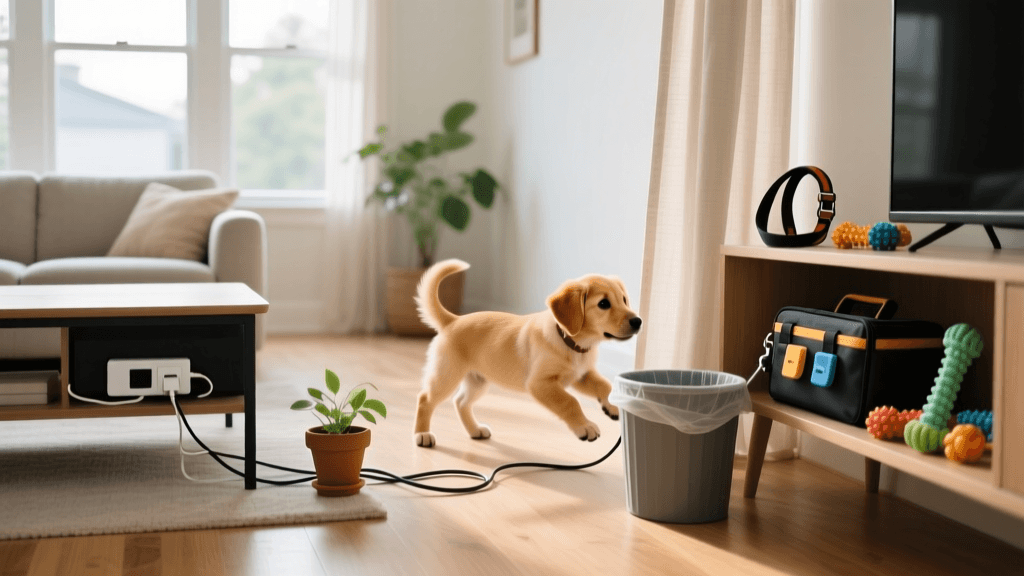
Puppy-Proofing Your Home: Diagnosing Hidden Hazards
Learn how to diagnose hidden household hazards and implement practical puppy-proofing solutions to keep your new dog safe from toxins, wires, and escapes.
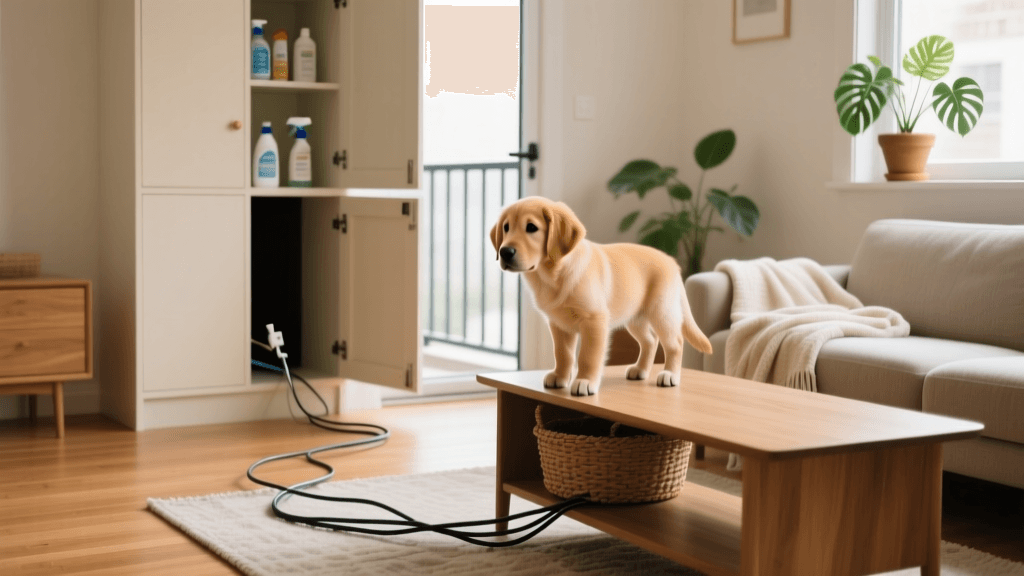
The Hidden Dangers of Bringing a New Dog Home
Bringing a new dog or puppy into your home is one of life’s most exciting milestones. However, the transition period is fraught with hidden dangers that can quickly turn a joyous occasion into an expensive and stressful veterinary emergency. According to the ASPCA Animal Poison Control Center, tens of thousands of pets are exposed to household toxins every year, with the majority of these incidents occurring inside the home during the first few weeks of adoption. Puppies explore the world with their mouths, while adult rescue dogs may exhibit stress-induced behaviors like excessive chewing or bolting due to environmental changes.
To ensure a safe transition, new owners must adopt a ‘Problem Diagnosis & Solutions’ mindset. Rather than reacting to a chewed baseboard or a tipped-over trash can, you must proactively diagnose the environmental triggers causing these behaviors and implement physical and behavioral solutions. This comprehensive guide will walk you through the most common household hazards, providing specific product recommendations, measurements, and costs to effectively puppy-proof your living space.
Problem 1: The Scavenger (Trash and Counter Surfing)
Diagnosis: Accessibility and Olfactory Triggers
Dogs possess up to 300 million olfactory receptors, making your kitchen trash can an irresistible buffet. The problem is rarely ‘bad behavior’; it is a natural scavenging instinct triggered by the scent of discarded food. When a dog accesses the trash, they risk ingesting toxic human foods like xylitol (found in sugar-free gum), grapes, onions, or cooked bones that can splinter and cause gastrointestinal perforations. If your dog is repeatedly counter-surfing or tipping over bins, the diagnosis is simple: the reward (food) is too accessible, and the environment lacks physical boundaries.
Solutions & Product Recommendations
Training a ‘leave it’ command is essential, but management is your first line of defense. You must remove the opportunity for the behavior to occur.
- Under-Counter Pull-Out Bins: Move your primary trash receptacle inside a cabinet. The Simplehuman Dual Compartment Under-Counter Pull-Out (approx. $130) requires a minimum cabinet opening of 15 inches wide and 22 inches deep. This completely removes the visual and olfactory trigger.
- Locking Cabinet Latches: If you have a clever dog that learns to nudge cabinet doors open, install magnetic locks. The Safety 1st Magnetic Locking System (approx. $25 for a 12-pack) installs inside the cabinet frame using heavy-duty 3M adhesive, requiring a magnetic key to open from the outside.
- Weighted, Lock-Top Bins: If an under-counter setup isn’t possible, invest in a heavy-duty bin with a locking lid, such as the iTouchless 13-Gallon Sensor Trash Can with Lock ($90). The sensor prevents the dog from nudging the lid open, and the lock mechanism secures it during high-activity times.
Problem 2: The Teething Chewer (Wires and Furniture)
Diagnosis: Developmental Stages and Anxiety
Puppies typically begin teething around 12 to 16 weeks of age, and the process continues until they are about six months old. Chewing relieves the pain of erupting adult teeth. In adult rescue dogs, destructive chewing is often a symptom of separation anxiety or under-stimulation. The most dangerous targets are electrical cords. A punctured 120V AC wire can cause severe oral burns, pulmonary edema (fluid in the lungs), and fatal electrocution. If you find your dog targeting baseboards or TV cables, the diagnosis points to a lack of appropriate chew alternatives and exposed environmental hazards.
Solutions & Product Recommendations
You must make the hazardous items physically inaccessible or highly unappealing while providing superior alternatives.
- Cord Concealers and Loom Tubing: Do not rely on tape. Use split-loom tubing or hard plastic J-channels to encase wires. A 50-foot roll of Split Loom Wire Covering (approx. $18) provides a thick, bitter-tasting plastic barrier that is highly resistant to canine teeth. For wall-mounted TVs, use rigid PVC cord covers painted to match your wall color.
- Deterrent Sprays: Apply taste deterrents to baseboards and wooden furniture legs. Grannick’s Bitter Apple Spray (approx. $14 for 8 oz) is a market leader. Pro Tip: You must reapply this spray twice daily for the first two weeks to break the habit cycle, as the bitter taste dissipates over time.
- Appropriate Alternatives: Provide texture-specific alternatives. If your dog is chewing wooden baseboards, offer a Nylabone Dura Chew Textured Ring ($12). If they target soft wires, provide a Kong Classic stuffed with frozen peanut butter (ensure it is Xylitol-free) to soothe inflamed gums.
Problem 3: The Curious Nibbler (Toxins and Plants)
Diagnosis: Environmental Blind Spots
Many new owners are unaware that common household plants and everyday cleaning supplies are highly toxic to dogs. Sago Palms, for instance, are incredibly popular indoor plants but are lethal to dogs, causing severe liver failure even if only a single seed is ingested. Similarly, liquid laundry pods pose a dual threat of chemical burns and respiratory distress if the pressurized detergent is aspirated into the lungs. The diagnosis here is an owner’s lack of awareness regarding the canine toxicity spectrum.
Hazard Diagnosis & Solution Chart
Use the following table to audit your home and implement the correct preventative solutions. For a comprehensive database, always cross-reference your home inventory with the ASPCA’s Toxic and Non-Toxic Plants list and the Pet Poison Helpline.
| Hazard Category | Common Culprits | Potential Consequence | Preventative Solution |
|---|---|---|---|
| Houseplants | Sago Palm, Lilies, Pothos, Oleander | Hepatotoxicity, Cardiac Arrhythmia, Renal Failure | Relocate to hanging planters (minimum 6 feet high) or replace with Calathea and Spider Plants. |
| Human Medications | Ibuprofen, Acetaminophen, SSRIs | Gastrointestinal Ulcers, Liver Toxicity, Serotonin Syndrome | Store in lockable, high-cabinet safes. Never leave pill organizers on nightstands. |
| Cleaning Chemicals | Bleach, Ammonia, Laundry Pods | Esophageal Burns, Neurological Distress | Switch to pet-safe enzymatic cleaners like Nature’s Miracle or store chemicals behind magnetic cabinet locks. |
| Hidden Toxins | Xylitol, Macadamia Nuts, Raisins | Hypoglycemia, Hind-limb Weakness, Kidney Failure | Institute a strict 'no human food from the floor' rule and use sealed pantry bins. |
Problem 4: The Flight Risk (Doors, Yards, and Windows)
Diagnosis: Fear-Based Bolting and Prey Drive
Newly adopted rescue dogs often experience a ‘honeymoon period’ followed by a decompression phase where their true instincts and fears emerge. A sudden loud noise, a knock at the door, or the sight of a squirrel can trigger a flight response. If your dog slips out the front door or digs under a fence, the diagnosis is a failure in your home’s physical containment system, often referred to as a lack of an ‘airlock’ or secondary barrier.
Solutions & Product Recommendations
Securing the perimeter of your home and property is non-negotiable for the safety of a new dog.
- The Airlock System (Double Gating): Install a pressure-mounted baby gate at the entrance of your hallway to create a buffer zone between the living room and the front door. The Regalo Easy Step Walk Thru Baby Gate (approx. $40) accommodates doorways between 29 and 39 inches wide. This ensures that when you open the front door for a delivery, the dog is physically blocked from darting out.
- Fence Audits and Dig-Proofing: Inspect your yard fence for gaps wider than 3 inches. For dogs that dig under fences, install an L-footer. This involves burying a 2-foot wide strip of welded wire mesh horizontally along the inside base of the fence, preventing the dog from digging directly at the fence line.
- GPS Tracking Collars: Technology is your ultimate safety net. The Fi Series 3 GPS Dog Collar (approx. $149) utilizes LTE-M networks to provide real-time location tracking and features an ‘Escape Alert’ that notifies your phone the second the collar leaves your designated home geofence.
The Golden Rule of Puppy-Proofing: If you have to constantly say ‘no’ or ‘drop it,’ your environment is not properly managed. A well-proofed home sets the dog up for success by removing the option to make the wrong choice.
Conclusion: Establishing a Proactive Routine
Diagnosing and solving household hazards is not a one-time chore; it is an ongoing process that evolves as your dog grows, gains confidence, and learns new physical capabilities. A puppy that couldn’t reach the kitchen counter at 10 weeks old may easily clear it at 6 months. Conduct a weekly ‘dog’s-eye-view’ audit of your home by literally getting down on your hands and knees to spot dropped pills, loose wires, and accessible chemicals. By combining physical management tools with consistent positive reinforcement training, you will create a sanctuary where your new dog can thrive safely, allowing you to focus on building a lifelong bond rather than managing preventable emergencies.
jonas-cole
All our authors care for dogs every day — read more of their work on the authors page.